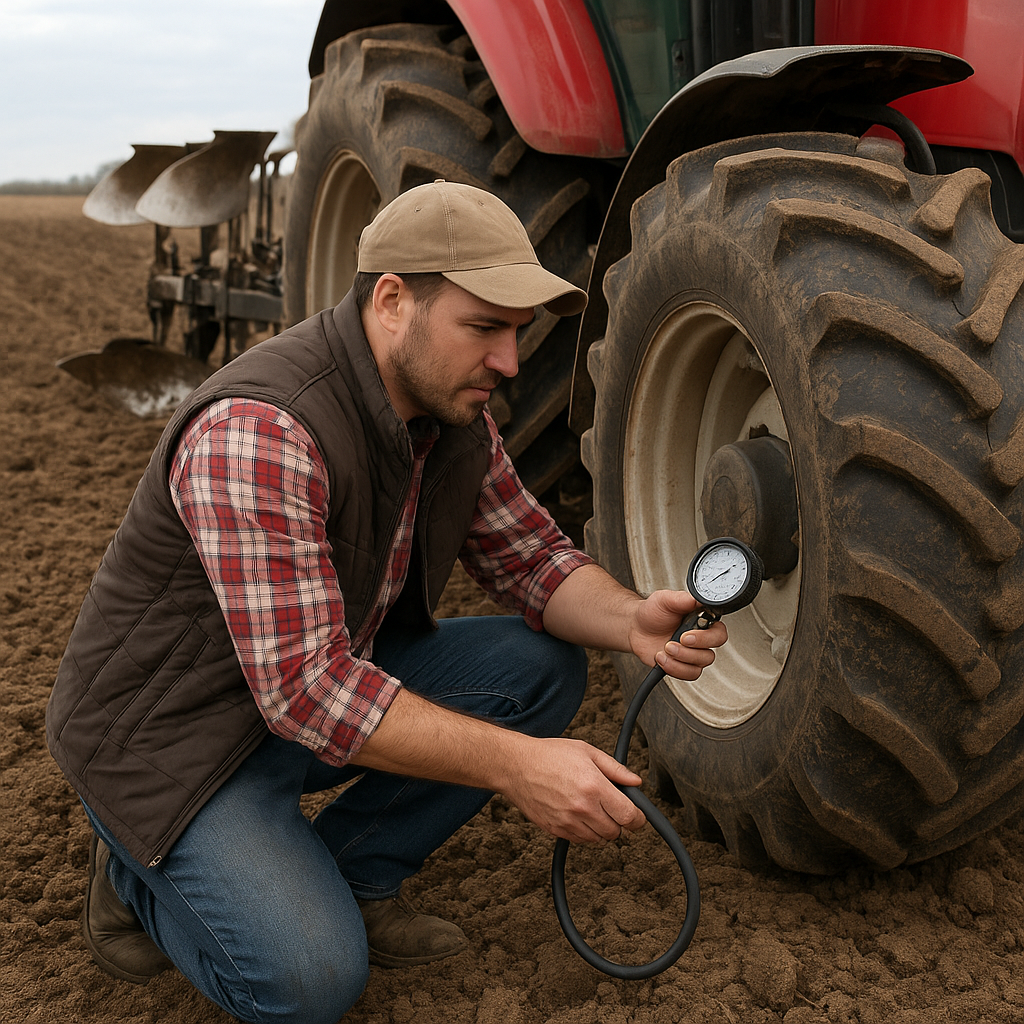
Plowing snow efficiently requires more than just a powerful machine and a sturdy blade. One of the most often overlooked factors is the correct tire pressure. Striking the balance between traction, flotation, and longevity of your tires can dramatically influence your plowing performance and safety. This article explains how to set the right tire pressure for plowing, explores the science behind it, and offers actionable tips to keep your equipment in top condition.
Understanding Tire Pressure Basics
Before diving into specific plowing scenarios, it’s crucial to understand the fundamentals of tire pressure. Most vehicles list a recommended pressure on the door jamb or in the owner’s manual. However, plowing snow demands different considerations than normal driving.
Why Tire Pressure Matters
- Traction: Properly inflated tires maximize the contact patch with the ground, improving grip on slippery surfaces.
- Flotation: Lowering tire pressure slightly can help your vehicle “float” over soft or deep snow rather than sinking into it.
- Wear: Overinflated tires wear out quickly in the center tread, while underinflated tires degrade on the edges and run hotter, risking failure.
- Fuel Efficiency: Incorrect pressure increases rolling resistance, forcing the engine to work harder and burn more fuel.
How Cold Temperatures Affect Pressure
Tire pressure decreases by approximately 1 psi for every 10°F drop in temperature. As plowing typically happens in sub-freezing conditions, you must check and adjust pressures frequently. Failure to do so can leave you underinflated without realizing it, compromising safety and performance.
Adjusting Pressure for Different Plowing Conditions
There is no one-size-fits-all answer for tire pressure when plowing. It depends on equipment, load, and snow conditions. Below are guidelines to help you find the optimal setting for each scenario.
Light Snow and Frost
- Recommended Pressure: Keep close to the manufacturer’s suggested rating, usually within ±2 psi.
- Benefits: Maintains ideal handling and stability on firm surfaces where floating is less critical.
- Tips: Check pressure before each job to compensate for morning temperature drops.
Heavy, Wet Snow
- Recommended Pressure: Reduce by 3–5 psi below normal to increase the contact area.
- Benefits: Enhanced flotation prevents rutting and sinking, reducing strain on drivetrain and chassis.
- Tips: Avoid dropping below the tire manufacturer’s minimum rating to prevent bead separation and rim damage.
Deep, Powdery Snow
- Recommended Pressure: Lower by 5–8 psi to maximize surface area and minimize snow packing under the tire.
- Benefits: Keeps plow truck from bogging down, ensures smoother forward motion.
- Tips: Reinflate as you return to paved surfaces to restore handling and braking performance.
Mixed Ice and Snow
- Recommended Pressure: Aim for a mid-point—about 2–4 psi below normal.
- Benefits: Balances traction on ice with flotation in snow, helping you adapt to variable conditions.
- Tips: Consider using quality winter tires or chains for extra grip on ice patches.
Maintenance and Best Practices
Tire pressure is only one part of an effective plowing routine. Regular maintenance and strategic habits help prolong the life of your tires and ensure consistent performance.
Routine Pressure Checks
- Check at the Start and End of Each Shift: Temperature fluctuations during the day can alter pressure.
- Use a Reliable Gauge: Digital gauges offer quicker, more accurate readings than stick-style models.
- Record Your Readings: Logging pressures and conditions helps you refine settings over time.
Inspect for Wear and Damage
- Tread Depth: Ensure you have at least 6/32″ tread for winter operations to maintain traction.
- Cuts and Bulges: Look for sidewall damage that could lead to tire failure under heavy loads.
- Valve Stems: Frozen or cracked stems can leak air. Replace them annually if you notice any issues.
Seasonal Tire Choices
Dedicated winter or snow tires offer specialized compounds that remain supple at low temperatures, boosting traction on ice and packed snow. If you plow frequently, investing in a second set of wheels and tires can save time and reduce wear on your all-season or summer tires.
Proper Loading and Weight Distribution
- Balance Your Load: Uneven distribution can lead to overloading one tire, causing premature failure.
- Use Sandbags or Ballast: Adding weight to the rear enhances rear-wheel traction, particularly on pickup trucks.
- Monitor Gross Vehicle Weight: Exceeding your vehicle’s load rating can dangerously increase tire heat and risk of blowout.
Advanced Tips for Professional Operators
Seasoned plow drivers often employ additional strategies to optimize tire pressure and overall equipment performance. Below are some advanced recommendations for those who rely on plowing for a living.
On-the-Fly Adjustments
- Use a Central Tire Inflation System (CTIS): Allows you to tweak pressures without leaving the cab, adapting to conditions instantly.
- Monitor Tire Temperature: Infrared thermometers reveal hotspots, signaling underinflation or misalignment.
Using Tire Chains or Cables
- Compatibility: Check manufacturer guidelines—some tire chains require specific inflation levels for proper fit.
- Installation: Ensure chains are centered and snug to prevent damage to sidewalls.
- Pressure Adjustment: You may need to raise pressure by 1–2 psi when using chains to compensate for increased flex.
Seasonal Storage and Preparation
- Off-Season Care: Store winter tires in a cool, dry place and slightly overinflate to 5 psi above normal to prevent flat spots.
- Pre-Season Checks: Inspect rubber for cracking or dry rot, and replace tires older than six years regardless of tread depth.
Final Notes on Safety and Performance
Correct tire pressure is a cornerstone of safe and efficient plowing. By understanding how pressure interacts with snow conditions, maintaining regular checks, and using advanced tools, you can reduce labor time, extend tire life, and enhance overall performance. Implement these best practices to keep your plowing operations moving smoothly, even in the harshest winter weather.