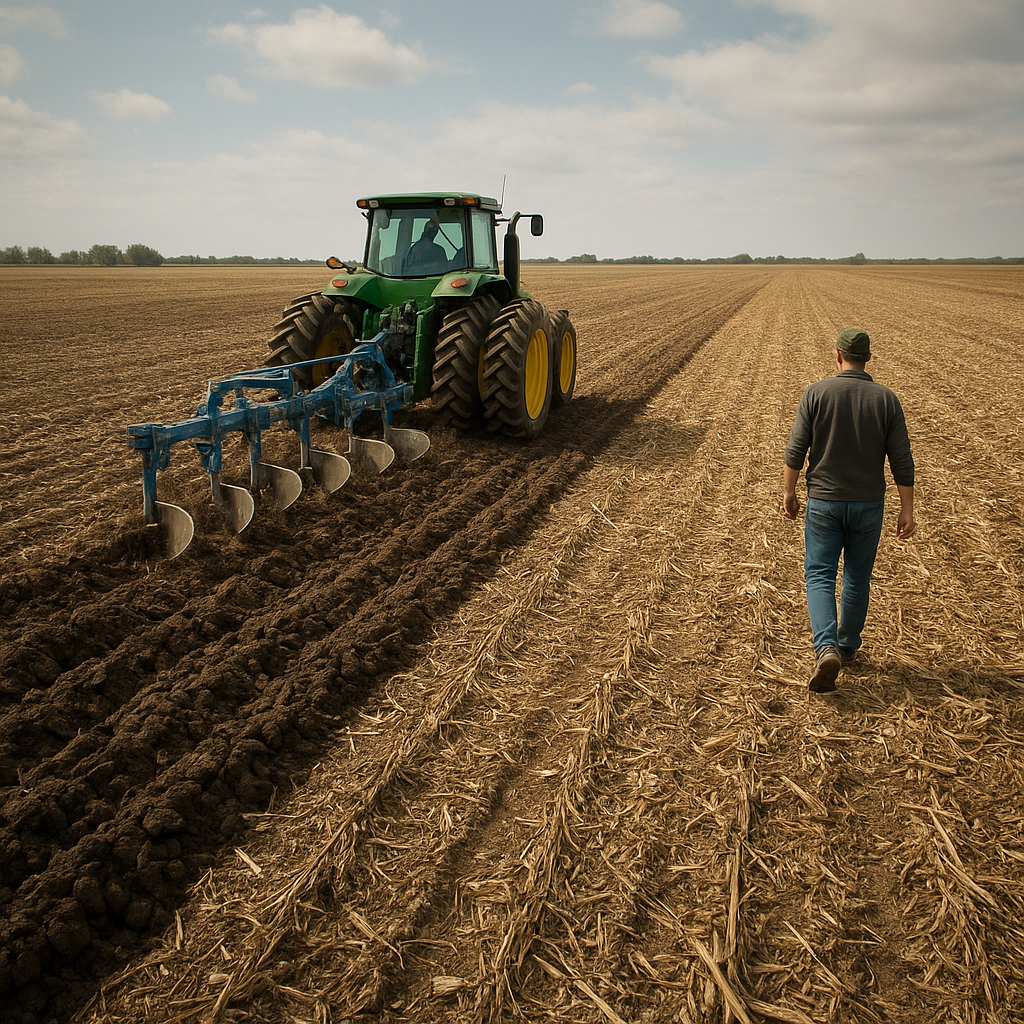
Transitioning from traditional moldboard plowing to a conservation-focused approach requires careful planning, thoughtful adjustments, and a commitment to long-term benefits. By adopting strategies that emphasize soil structure, moisture retention, and ecological balance, farmers can safeguard precious topsoil while simultaneously maintaining or improving yields. This comprehensive guide outlines practical steps, essential considerations, and expert tips to help you make the shift toward more sustainable and resilient cropping systems.
Understanding the Differences Between Conventional and Conservation Plowing
Conventional plowing often relies on deep inversion tillage to prepare seedbeds, control weeds, and incorporate crop residues. Although effective for short-term weed management, intensive tillage can accelerate erosion, degrade soil structure, and diminish critical organic matter over time. In contrast, conservation plowing minimizes soil disturbance by retaining surface residue, adopting shallow tillage techniques, and integrating perennial covers.
Key distinctions include:
- Residue Retention: Conservation plowing leaves stalks and plant debris on the field, protecting soil against raindrop impact and wind erosion.
- Soil Health: Reduced disturbance fosters a network of earthworms, beneficial microbes, and fungal hyphae that improve nutrient cycling.
- Water Infiltration: By preserving soil pores and reducing compaction, moisture penetrates more efficiently, boosting drought resilience.
- Biodiversity: A living root system or residue cover year-round supports pollinators, predatory insects, and other wildlife.
Preparing for Transition
Before making the switch, conduct a thorough assessment of your fields, equipment, and management goals. Begin with a detailed soil survey, mapping variations in pH, texture, and nutrient content. Identify zones prone to compaction or surface crusting, and flag areas with severe erosion for targeted interventions.
Equipment Adaptation
Conservation plowing often requires specialized tools or modifications to existing machinery. Consider:
- No-till drills or planters equipped with adjustable coulters for precise row placement.
- Strip-till rigs that disturb only narrow bands, preserving residue between rows.
- Chisel plows fitted with sweeps designed for minimal inversion and uniform shank spacing.
- Residue managers such as row cleaners and trash whippers to clear debris and ensure seed-to-soil contact.
Investing in adjustable hitch systems and hydraulically controlled depth gauges will allow you to fine-tune tillage intensity as conditions change.
Soil Health Assessment
Understanding current soil biological activity sets the stage for effective conservation. Perform the following tests:
- Bulk density measurements to pinpoint compaction layers impeding root growth.
- Aggregate stability assays to gauge soil’s resistance to disintegration under water or wind erosion.
- Organic carbon analysis to establish baseline organic matter levels and monitor gains over time.
- Infiltration rate trials using double-ring infiltrometers for real-time insights on water infiltration efficiency.
Collaborating with a soil consultant or local extension agent can ensure accurate sampling and interpretation of results.
Implementing Conservation Plowing Techniques
With a clear understanding of your field’s requirements and suitable equipment in place, begin by phasing in conservation practices gradually. A phased approach allows you to adjust to new workflows and observe outcomes before scaling up across the entire farm.
Residue Management and Cover Crops
Leaving at least 30% of the soil surface covered with crop residues or cover crop mulch reduces raindrop impact and curbs soil displacement. Introduce a diverse mix of cover species—such as legumes, grasses, and brassicas—to complement cash crops. Deep-rooted varieties can break through compaction, enhance nutrient scavenging, and contribute additional organic matter when terminated.
Strip-Tilling and Shallow Incorporation
Rather than full-field inversion, employ strip-till methods that disturb only 20–30% of the surface. This creates a warm, friable seedbed while preserving residue for erosion control. Adjust tillage depth based on previous compaction measurements—typically between 10 and 15 cm—to balance root-zone loosening with minimal disturbance.
Integrating Crop Rotation
Diverse rotations improve soil fertility, interrupt pest cycles, and optimize residue distribution. Incorporate high-residue crops like cereals alongside legumes that fix atmospheric nitrogen. A multi-year sequence might include corn, followed by winter rye cover, soybeans, and oats with clover. This approach gradually elevates soil health and provides consistent ground cover.
- Plant deep-rooted cover crops after heavy clay soils to alleviate densification.
- Use termination methods (roller-crimper or herbicide) timed to flowering for maximum residue.
- Leave unharvested strips for overwintering wildlife and beneficial insects.
Monitoring and Adapting Your Strategy
Successful conservation plowing requires ongoing evaluation and willingness to fine-tune practices. Establish benchmarks for key performance metrics and revisit them after each season.
Key Performance Indicators
- Increases in organic matter percentage measured annually.
- Enhanced water infiltration rates demonstrated in post-harvest tests.
- Reduction in visible gully formation or sheet erosion following heavy rains.
- Yield stability or improvements under drought conditions.
- Observations of greater on-farm biodiversity, including pollinators and soil fauna.
Continuous Improvement
Review equipment settings, residue cover targets, and rotation schedules based on monitored results. For instance, if infiltration improvements plateau, you might experiment with deeper strip-till passes or adjust cover crop species composition. If certain zones remain compacted, consider targeted subsoiling or the introduction of earthworm-friendly amendments.
Regularly consult research updates and collaborative networks to learn about emerging tools—such as RTK-guided implements or remote sensing platforms—that can refine your conservation plowing approach even further.