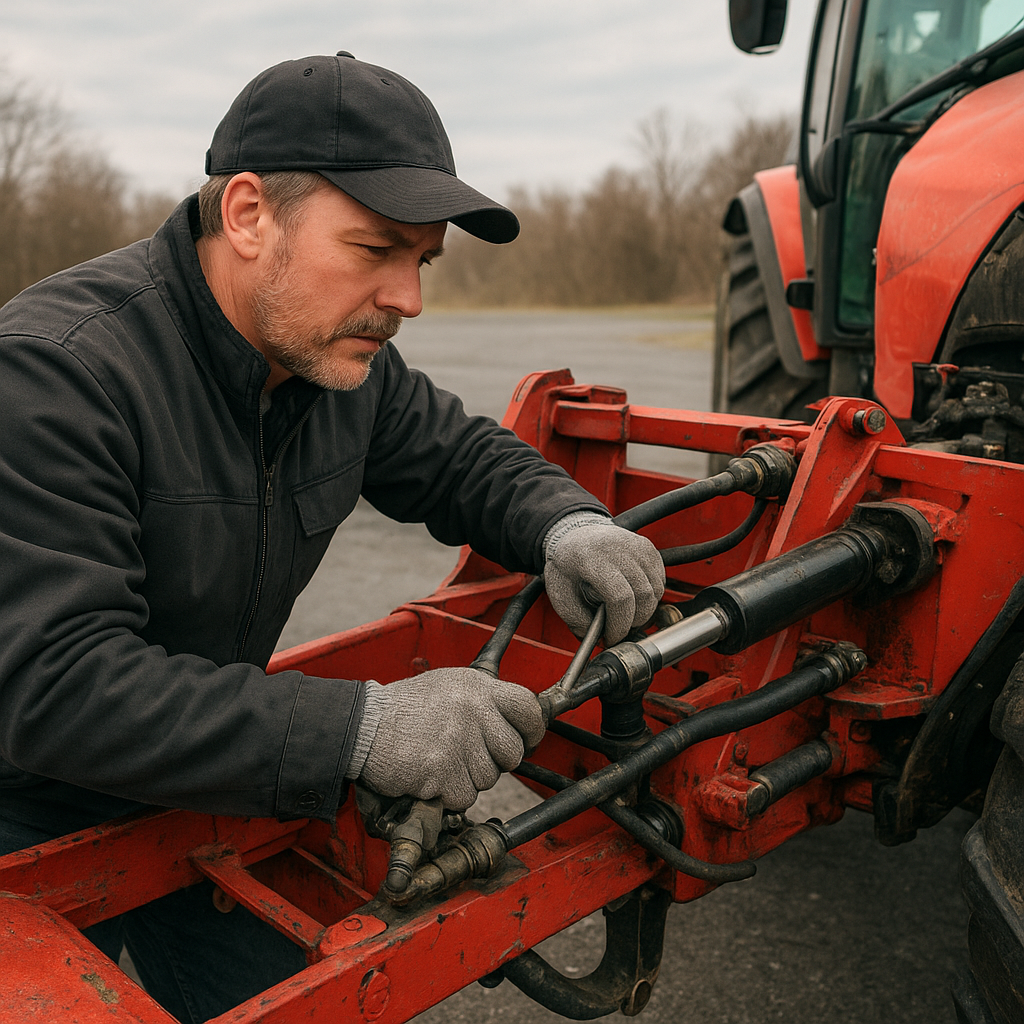
Plowing in harsh conditions demands a reliable hydraulic system. When your plow’s performance drops, understanding how to tackle common issues can save time and money. This guide delves into practical troubleshooting techniques, equipping you with the knowledge to maintain peak performance of your gear.
Understanding Your Plow’s Hydraulic System
An efficient plow relies on a network of hoses, a reservoir of fluid, a pump, and actuators like cylinders. Familiarizing yourself with each component helps in pinpointing failures and performing accurate repairs. Key elements include:
- Hydraulic Pump: Pressurizes the fluid to power the plow’s movements.
- Control Valves: Direct fluid flow to raise, lower, or angle the blade.
- Reservoir: Stores the hydraulic fluid and allows contaminants to settle.
- Hoses and Fittings: Carry fluid under high pressure to various points.
- Actuators (cylinders): Convert fluid power into mechanical motion.
Key Indicators of System Health
- Stable fluid temperature and consistent pressure readings.
- Smooth, predictable blade movements without chatter or jerking.
- No visible leaks or drips around seals, hoses, and fittings.
Common Hydraulic Issues and Their Causes
Recognizing symptoms early prevents extensive downtime. Below are frequent problems and typical origins:
- Low Pressure or No Movement
- Worn pump vanes or internal pump damage.
- Clogged intake filters restricting fluid flow.
- Air entering the system via loose fittings.
- Uncontrolled Blade Dropping
- Faulty relief valve stuck open.
- Damaged cylinder seal allowing fluid bypass.
- Slow Response Times
- Thick or degraded hydraulic oil, especially in low temperatures.
- Packed dirt in valve spools creating friction.
- External Leaks
- Cracked hoses from abrasion or age.
- Loose or damaged fittings and seals.
- O-ring failures at quick-connect couplers.
Troubleshooting Steps and Best Practices
To restore optimal operation, follow these systematic steps:
Step 1: Visual Inspection
- Examine hoses for bulges, cuts, or abrasions.
- Check all fittings and couplers for tightness.
- Inspect seals around cylinders for dampness or fluid buildup.
Step 2: Fluid Check and Replacement
- Verify fluid level falls between the minimum and maximum marks.
- Observe fluid color and consistency—milky or dark fluid suggests contamination or water ingress.
- Drain and refill using the manufacturer’s recommended grade to maintain correct viscosity.
Step 3: Filter and Reservoir Maintenance
- Replace intake and return filters at regular intervals to prevent clogging.
- Clean reservoir screens and remove sludge or metal particles.
Step 4: Pressure Testing
- Attach a calibrated gauge to the test port near the pump output.
- Run the plow through various functions (lift, tilt, angle) and note pressure readings.
- Compare results to the specification sheet; values below recommended levels point to pump wear or relief valve issues.
Step 5: Bleeding Air from the System
- Loosen the bleed valve on the highest cylinder port.
- Operate the control to cycle fluid until a steady stream appears, then tighten the valve.
Step 6: Valve and Cylinder Repair
- If pressure remains low, bench-test the pump and valves independently.
- Rebuild or replace relief valves that fail to hold set pressure.
- Disassemble cylinders to replace worn or torn internal seals and check rod straightness.
Preventive Maintenance for Long-Term Reliability
Proactive maintenance extends component life and reduces unexpected breakdowns. Adopt these practices:
- Perform weekly visual checks of hoses, fittings, and fluid level.
- Schedule comprehensive system service every 250 operating hours.
- Use high-quality filters and genuine OEM parts to maintain warranty compliance.
- Keep hydraulic components clean—wipe away dirt and debris before connecting hoses.
- Monitor ambient temperatures and adjust fluid viscosity seasonally.
Tips for Efficient Winter Operation
- Install a hydraulic fluid heater for rapid cold-weather startup.
- Park the plow in a sheltered area to maintain moderate fluid temperature.
By mastering these troubleshooting techniques and committing to regular upkeep, you’ll maximize the lifespan of your plow’s hydraulic system and keep clearing roads efficiently, regardless of the season.