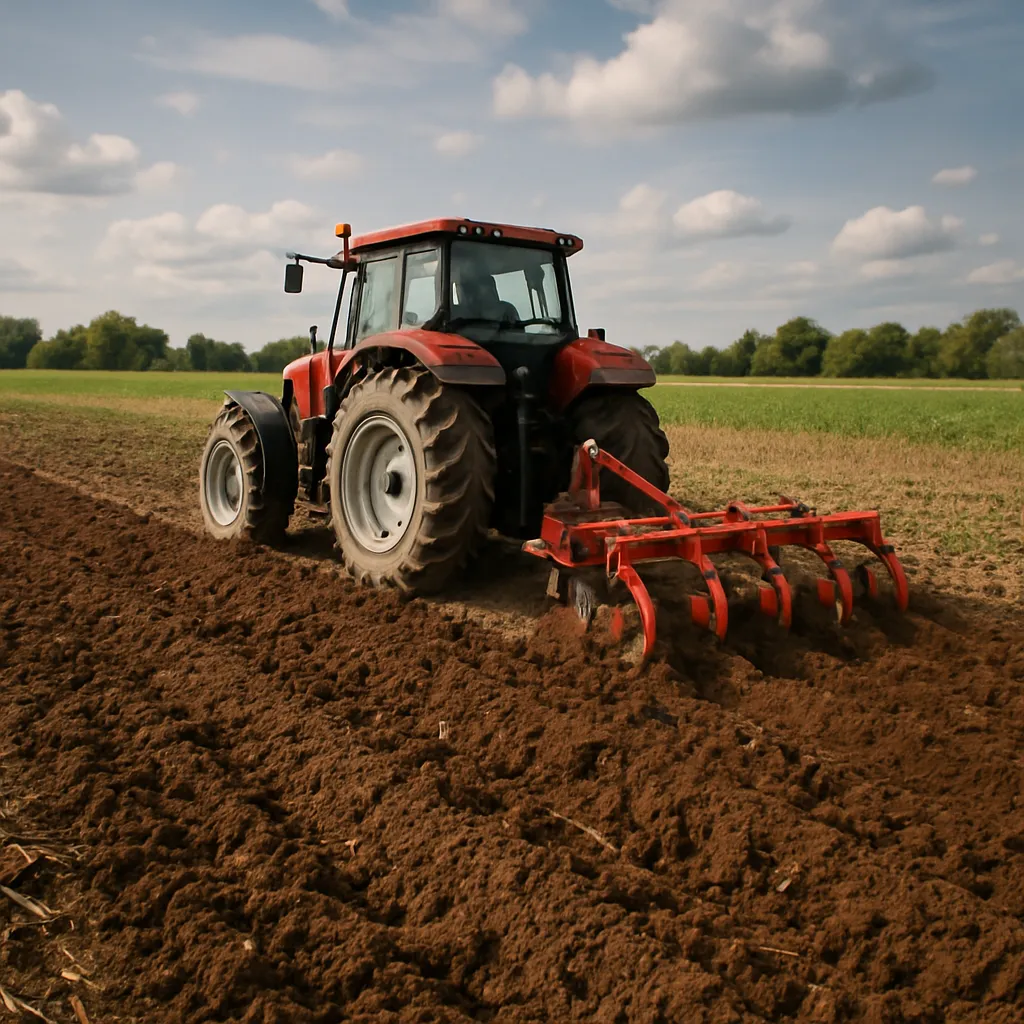
Integrating plowing into a sustainability-driven farm system can seem counterintuitive, yet when applied with precision and care, it enhances soil health and boosts long-term productivity. This article explores practical tips on using plowing within a regenerative agriculture framework, showing how targeted tillage supports nutrient cycling, improves soil structure, and works in harmony with cover crops and crop rotation strategies.
Main Benefits of Plowing in Regenerative Agriculture
Well-executed plowing unlocks several advantages that contribute to farm resilience:
- Enhanced nutrient availability: Turning surface residues into the soil accelerates the breakdown of organic matter, releasing nitrogen, phosphorus, and other key elements.
- Weed suppression: Inverting the soil layer buries weed seeds and disrupts germination cycles, reducing reliance on herbicides.
- Improved water infiltration: Breaking up compacted layers enhances moisture retention and reduces surface runoff, aiding in erosion control.
- Stimulated soil biodiversity: Aeration encourages microbial activity, promoting a vibrant ecosystem of bacteria, fungi, and earthworms essential for nutrient turnover.
Preparing the Land for Effective Plowing
Success starts long before the plow blade touches the furrow. Proper preparation prevents compaction, optimizes fuel use, and aligns with regenerative goals:
1. Soil Testing and Mapping
Identify areas with pH imbalances, nutrient deficiencies, or heavy compaction. Use grid sampling and GPS mapping to tailor plowing depth and implement targeted amendments like lime or gypsum.
2. Residue Management
High-residue fields can clog plows and increase traction requirements. Consider pre-plow mowing or rolling to distribute crop residues evenly, facilitating a uniform tillage operation.
3. Timing and Moisture Content
Ideal soil moisture ensures the soil fractures cleanly, leaving minimal clods. Conduct a squeeze test: damp soil that crumbles easily is ready. Avoid plowing when excessive moisture causes smearing or when dry conditions generate excessive dust.
Techniques and Equipment for Sustainable Plowing
Choosing the right tools and tactics aligns tillage with regenerative objectives:
Conservation Plow Variants
- Moldboard Plow: Effective at burying residue, yet can increase erosion risk if used improperly. Best for fields transitioning from conventional systems.
- Chisel Plow: Minimizes soil inversion, preserving surface residues and reducing erosion compared to moldboard designs.
- Disc Harrow: Combines residue incorporation with surface smoothing. Ideal for seedbed preparation rather than deep tillage.
Adjustable Depth and Speed
Modern plows offer hydraulic depth control. Match depth to soil conditions—shallower tillage conserves moisture and preserves organic layers, while deeper passes break hardpan zones. Maintain a consistent tractor speed (typically 4–6 mph) to ensure uniform furrow creation.
Integrating Cover Crops and Crop Rotation
Marrying plowing with strategic rotations amplifies benefits:
- Legume Cover Crops: Incorporate clover or vetch before plowing to boost nitrogen fixation.
- Grasses and Brassicas: Till under rye, radish, or ryegrass to add organic matter and improve soil aggregation.
- Alternate Deep-Rooted Species: Rotate deep-rooted plants to naturally fracture compaction layers, limiting the need for mechanical tillage.
Monitoring Soil Health and Crop Performance
Continuous assessment ensures that plowing practices advance regenerative goals rather than undermine them:
1. Visual Inspections
Observe furrow uniformity, residue distribution, and signs of erosion after rainfall. Consistent residue cover (>30%) prevents topsoil loss and conserves moisture.
2. Soil Organic Carbon Tracking
Regular organic carbon tests reveal changes in soil biodiversity and nutrient cycling. A steady increase indicates successful integration of mechanical tillage with biological processes.
3. Yield and Biomass Measurements
Compare yields and biomass in plowed vs. no-till strips. Improved early vigor, especially in nutrient-poor soils, often reflects the short-term gains of targeted plowing.
4. Earthworm and Microbial Activity Counts
Sampling for earthworm populations and microbial respiration rates highlights soil ecosystem vitality. Healthy counts signal that plowing frequency and intensity remain within regenerative thresholds.
Best Practices for Long-Term Success
Adopting a holistic perspective ensures plowing enriches rather than depletes soil resources:
- Limit deep tillage to critical intervention years to address specific compaction or residue challenges.
- Retain surface residues whenever feasible to shield soil from erosion and heat stress.
- Combine mechanical practices with biological inputs—compost teas, mycorrhizal inoculants, and nutrient-rich manures.
- Engage in continuous learning—attend field days, collaborate with agronomists, and leverage precision agriculture tools for real-time feedback.