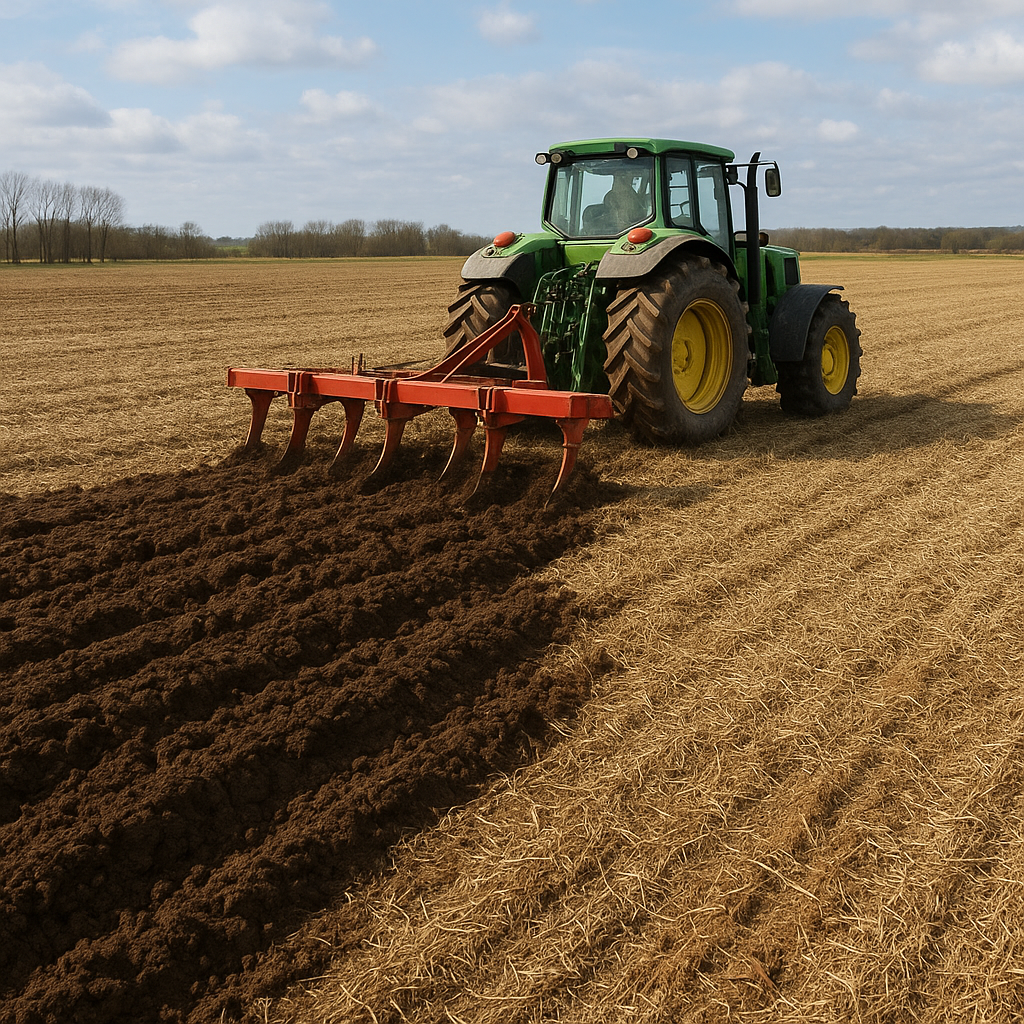
Integrating subsoiling before plowing offers farmers a proven strategy to enhance field performance, boost yields, and promote sustainable farming practices. By loosening compacted layers deep beneath the surface, this preparatory step improves water infiltration, supports stronger crop stands, and creates lasting benefits for soil health. Below, we explore key techniques, equipment choices, and management tips to help you incorporate subsoiling into your routine for maximum returns.
Understanding Subsoiling: Breaking the Compaction Layer
What is Subsoiling?
Subsoiling involves driving specialized shanks or tines deep into the ground to fracture and lift dense horizons that standard tillage tools cannot reach. This process alleviates compaction formed by heavy traffic, machinery passes, and natural settling. Unlike shallow tillage, subsoiling extends 30–60 cm (12–24 inches) beneath the seedbed, directly targeting the hardpan that restricts root expansion and water movement.
Benefits for Soil Health
- Improved soil structure allows roots to explore greater volumes, tapping into nutrients and moisture stored at depth.
- Enhanced moisture retention reduces surface runoff and helps sustain plants during dry spells.
- Accelerated root development supports overall vigor, leading to stronger stalks and better stress resilience.
- Increased oxygen penetration stimulates beneficial microbial activity essential for nutrient cycling.
- Reduced need for excessive watering and fertilizer inputs contributes to long-term savings and environmental stewardship.
Techniques and Equipment for Effective Subsoiling
Choosing the Right Subsoiler
Selecting an appropriate subsoiler model is critical. Frame design, shank spacing, and shank angle determine how effectively the machine can penetrate and fracture dense layers. Rigid frames excel in uniform, heavy soils, while spring-loaded or hydraulic trip designs are better suited for rocky or variable fields, reducing the risk of damage from unseen obstacles.
Key Operational Tips
- Conduct subsoiling when the soil moisture is ideal—neither too dry nor too wet—to maximize penetration and minimize smearing.
- Maintain a consistent tractor speed (3–6 km/h or 2–4 mph). Too fast leads to uneven depths; too slow increases fuel consumption and compaction from wheel slip.
- Set shank depth based on soil tests. Typical range is 35–50 cm (14–20 inches), but deeper shanks may be required for severe compaction.
- Use contour or zonal passes on sloped ground to aid water absorption and reduce erosion risks, supporting erosion control.
- Perform regular equipment maintenance: sharpen or replace wear points, check hydraulic connections, and inspect frame integrity to ensure clean, efficient operation.
Integrating Subsoiling into a Comprehensive Plowing Strategy
Timing and Weather Considerations
Optimal timing for subsoiling depends on regional climate and crop rotation schedules. Many farmers prefer post-harvest subsoiling to take advantage of open fields, while others perform it just before spring plowing when soil has dried sufficiently. Monitor forecasts to avoid working wet ground, which can smear the soil profile and negate benefits.
Complementary Practices
- Follow subsoiling with conventional or reduced-till plowing to level the seedbed and incorporate residue.
- Implement cover crops—such as radishes or legumes—to further break compaction with natural taproots and improve organic matter.
- Rotate deep-rooted species (e.g., sorghum, sunflowers) in successive seasons to maintain open channels for water movement.
- Use strip-tillage or ridge-till in no-till systems to localize soil disturbance and preserve structure across the field.
Maximizing Long-Term Productivity and Yield Optimization
Monitoring and Evaluation
Assess the impact of subsoiling by comparing root trench profiles, infiltration tests, and yield maps. Measuring differences in runoff and soil moisture retention can quantify improvements. Precision agriculture tools—soil moisture sensors, GPS-guided yield monitors, and drone imagery—help track progress and refine strategies over time.
Cost-Benefit Analysis
- Calculate fuel, labor, and equipment wear versus expected increases in crop yield and input savings.
- Factor in reduced irrigation costs through better moisture retention and decreased need for deep fertilizer placement.
- Consider potential savings from lower herbicide and pesticide use, as healthier root systems can outcompete weeds and resist certain soil-borne diseases.
- Account for intangible benefits: enhanced soil biodiversity, improved field trafficability, and stronger community reputation for eco-friendly practices.
Enhancing Field Sustainability and Environmental Impact
Promoting Soil Conservation
Deep tillage techniques, when paired with minimal surface disturbance in other operations, can significantly reduce erosion while preserving soil organic carbon. Incorporating contour subsoiling and buffer strips prevents nutrient loss and safeguards waterways.
Supporting Agroecosystem Health
- Integrate livestock grazing on cover-cropped fields to cycle nutrients and build soil organic matter.
- Encourage beneficial macrofauna—earthworms and predatory insects—by maintaining varied residue layers and limiting chemical inputs.
- Adopt precision nutrient management to feed crops when and where they need it, reducing oversupply and potential runoff.
- Educate farm teams on best practices, emphasizing the role of deep tillage in holistic farm management and crop resilience.
Conclusion of Best Practices
By incorporating a systematic approach to subsoiling before plowing, growers can unlock new levels of productivity and efficiency. Prioritizing ideal field conditions, the right equipment, and integration with conservation practices ensures that benefits like improved water infiltration, root expansion, and yield optimization are realized season after season. As agriculture faces growing challenges, deep tillage remains a vital tool for resilient, resource-efficient cropping systems.