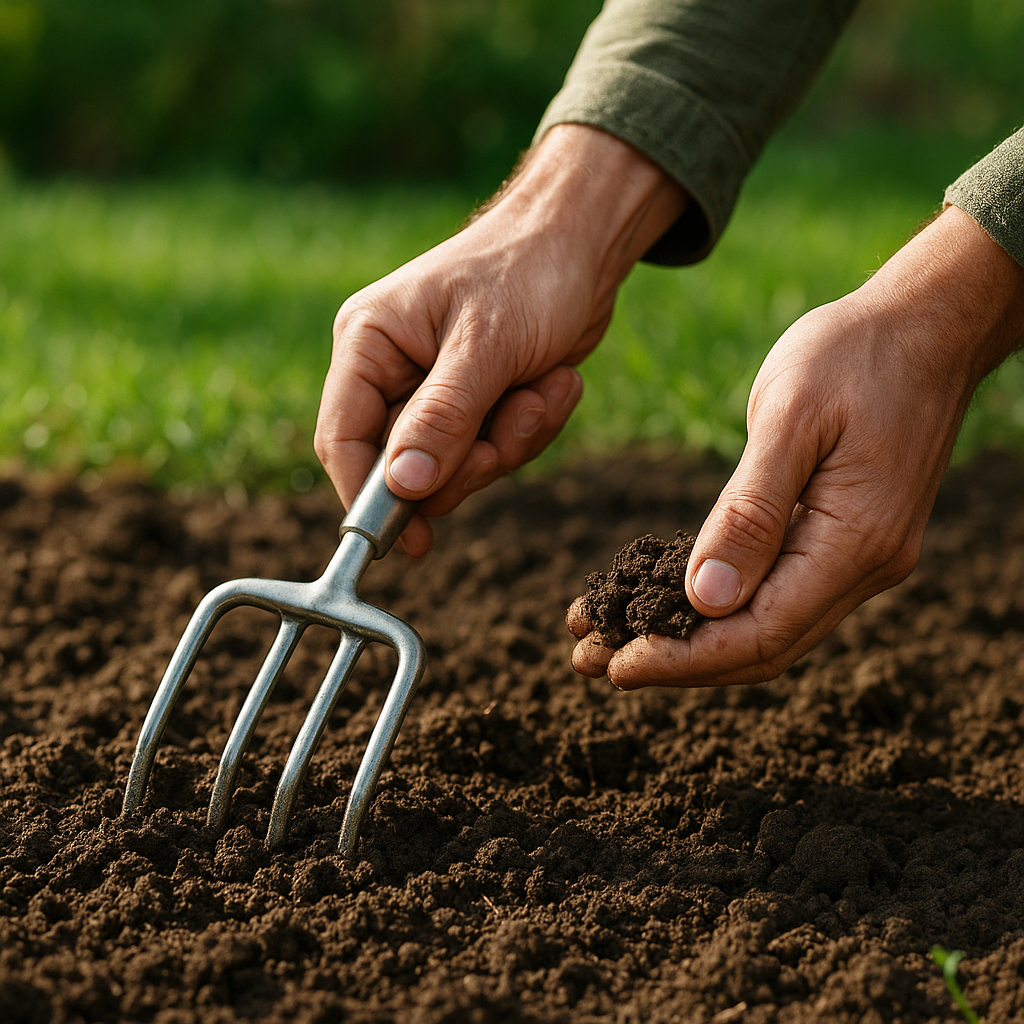
The Science Behind Proper Soil Aeration reveals how strategic plowing approaches optimize root development, boost microbial activity, and enhance overall crop performance. By understanding the physical and biological processes that govern soil health, growers can adopt techniques that reduce compaction, increase air-filled porosity, and promote sustainable yields. This article explores tried-and-true methods, cutting-edge innovations, and practical troubleshooting for effective soil aeration.
Importance of Proper Soil Aeration
Healthy soil is the cornerstone of productive agriculture. When soil is well-aerated, plant roots access oxygen essential for respiration, while beneficial organisms break down organic residue into plant-available nutrients. Poor aeration leads to restricted root growth, reduced nutrient uptake, and heightened susceptibility to disease and environmental stress.
Oxygen and Root Respiration
Roots require oxygen to convert sugars into energy for growth. In compacted or waterlogged soils, oxygen levels plummet, impeding root respiration and leading to stunted plants. Proper aeration maintains a balance between water-holding capacity and gas exchange, critical for vigorous root systems.
Microbial Dynamics
Soil microorganisms drive nutrient cycling and organic matter decomposition. Aerated soils foster a diverse microbial community that breaks down residues into nitrogen, phosphorus, and other essential elements. A lack of oxygen shifts microbial populations toward anaerobic species, which can produce harmful byproducts like methane or hydrogen sulfide.
Physical Properties and Structure
- Porosity: The network of pores that holds air and water.
- Bulk Density: Mass per unit volume; high values indicate compaction.
- Aggregate Stability: The ability of soil crumbs to resist disintegration under stress.
Best Plowing Practices for Effective Aeration
Choosing the right plowing strategy can dramatically improve soil aeration. Factors such as timing, equipment, and pattern determine the extent to which air penetrates the soil profile.
Optimal Timing
- Work fields when soil moisture is between 60–70% of field capacity to avoid smearing.
- Avoid plowing immediately after heavy rainfall or during overly dry conditions.
- Early spring plowing can warm the soil, but too cold soil resists shattering.
Equipment Selection
- Moldboard plows turn the soil completely, burying residues but may over-disturb structure.
- Chisel plows or subsoilers penetrate deeper zones to alleviate hardpan layers without inverting soil.
- Disc plows offer moderate residue mixing and are ideal for breaking surface crusts.
Depth and Pattern
Shallow tillage (tillage to 10–15 cm) preserves surface residues, minimizing erosion. Deeper passes (20–30 cm) break subsoil compaction, but require powerful tractors and incur higher fuel costs. Rotating between shallow and deep passes can optimize both soil structure and resource use.
Advanced Techniques to Enhance Soil Structure
Beyond classic plowing, integrating cultural and biological practices can sustain long-term soil aeration and fertility.
Cover Cropping
- Planting cover crops like legumes or radishes between main crops adds living roots that create channels for air and water.
- Residue from cover crops increases organic matter, improving aggregate formation.
- Deep-rooted covers such as turnips alleviate subsurface compaction layers.
Crop Rotation and Residue Management
Rotating cereal grains with broadleaf crops disrupts pest cycles and balances residue decomposition rates. Grain residues tend to be high in carbon, requiring more nitrogen for breakdown; incorporating legumes balances the carbon-to-nitrogen ratio, optimizing microbial activity and aeration.
Organic Amendments
- Compost and well-rotted manure introduce humus, enhancing water retention and pore continuity.
- Biochar offers a stable carbon matrix, improving drainage and a refuge for beneficial microbes.
- Green manures add living biomass, feeding the soil food web and promoting long-term aggregation.
Troubleshooting Common Soil Aeration Issues
Even with best practices, obstacles may arise. The following troubleshooting tips help diagnose and correct aeration problems.
Identifying Compaction Zones
- Conduct a simple shovel test: is the soil hard below a certain depth?
- Use a penetrometer to measure resistance; readings above 300 psi indicate severe compaction.
- Observe rooting patterns; roots that circle or grow laterally suggest obstacles.
Managing Waterlogging
- Install surface or subsurface drainage systems to remove excess water.
- Contour plowing or building raised beds prevents pooling in heavy soils.
- Incorporate coarse amendments, like sand or gravel pockets, to hasten percolation.
Preventing Erosion after Aeration
Exposed, finely tilled soil is vulnerable to wind and water erosion. To mitigate:
- Maintain residue cover of at least 30% on the surface.
- Adopt no-till strips or buffer zones alongside waterways.
- Schedule secondary tillage only when necessary for seedbed preparation.
Balancing Fuel Use and Soil Health
Excessive passes drive up fuel costs and increase carbon emissions. Consolidate field operations:
- Combine plowing and fertilization in a single pass using nutrient applicators.
- Use variable-rate technology to target areas that truly require intensive aeration.
- Calibrate implements to minimize overlap and avoid needless disturbance.