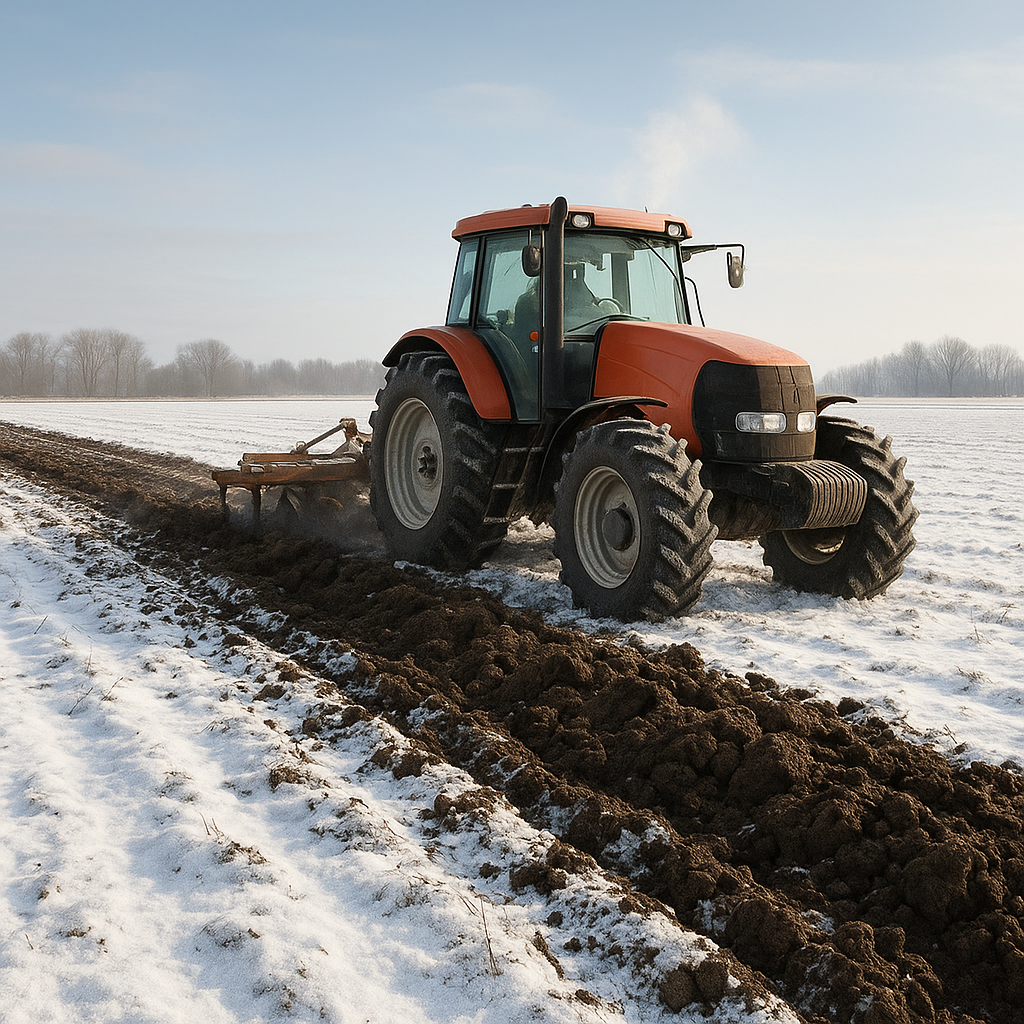
Plowing frozen ground demands a blend of careful planning, robust machinery, and seasoned tactics. Without the right approach, farm operations can stall under icy layers that resist conventional tilling. This article offers practical insights and hands‐on guidance to help you overcome the toughest winter soil challenges.
Understanding Frozen Soil Conditions
Before heading out to the field, it’s critical to assess the unique characteristics of frozen ground. Soil that has solidified even a few inches deep can dramatically alter the dynamics of tillage. Key factors include:
- Soil composition: Sandy soils freeze differently from loamy or clay‐rich soils. Sand tends to remain friable, whereas clay forms a dense, unyielding mass.
- Moisture content: Water retains heat, so wetter soils freeze more slowly but may develop thicker ice layers over time.
- Temperature fluctuations: Repeated freeze‐thaw cycles create surface crusts that are tougher than uniformly frozen ground.
- Ice layer formation: A glazed surface can cause plow bottoms to slip rather than penetrate.
Accurate field evaluation is your first line of defense against unexpected resistance. Walk the perimeter, test with a spade, and note areas where ice pockets or shallow frost depths prevail.
Equipment Preparation and Maintenance
Your tractor and implements must be in peak condition to handle the added strain of winter work. Neglecting mechanical readiness risks costly breakdowns. Follow these preparatory steps:
Engine and Powertrain
- Use winter‐grade diesel fuel and add anti‐gel additives to prevent fuel lines from clogging.
- Check coolant with a proper lubrication system to ensure antifreeze levels are adequate.
- Inspect belts, hoses, and filters; cold weather accelerates wear.
Tractor Traction and Tires
Enhanced traction is nonnegotiable on slick, frozen fields. Consider:
- Installing dual tires or traction chains.
- Maintaining recommended tire pressure to prevent sidewall damage.
- Balancing weight distribution: Front ballast can improve steering while rear ballast boosts pull.
Plow and Implement Care
- Sharpen or replace moldboard and share edges; dull edges skid on ice.
- Ensure depth control mechanisms function smoothly—hydraulic leaks or frozen linkages impair consistent draft angle.
- Grease all pivot points with a low‐temperature grease to maintain flexibility in frosty conditions.
Effective Plowing Techniques
Once your equipment is prepped, mastering the right technique makes all the difference. Adopting these methods will help break through the ice and subsoil:
Gradual Penetration
Aggressive downward pressure can stall the tractor or fracture equipment. Instead, set your plow at a shallow opening angle and make multiple passes, gradually increasing depth to chip away at the frozen layer.
Speed and Momentum
Maintain a steady ground speed—too slow invites stalling, too fast increases draft resistance and risks frame damage. Aim for a balance where the blade slices smoothly through the surface. Record your optimal speed for repeat operations.
Alternate Furrow Patterns
- Offset plowing: By staggering furrows on successive runs, you reduce repeated strain on any single area.
- Back‐to‐back passes: Plowing in opposite directions shatters compacted ice pockets.
- Cross‐plowing: A lighter cross‐plow pass can loosen base layers without full draft intensity.
Optimizing Fuel and Time Efficiency
Operating in stiffer conditions drastically increases fuel consumption. To maintain fuel efficiency and save precious hours:
- Warm up engines thoroughly—cold starts burn more fuel and strain hydraulic pumps.
- Plan plow runs to minimize empty headlands and reduced-turn maneuvers.
- Monitor real-time fuel use and adjust draft depth to prevent needless overexertion.
Tracking time per acre under frozen conditions helps you budget resources and schedule necessary maintenance breaks.
Monitoring and Mid‐Operation Adjustments
Even the best plans need tweaks in the field. Pay attention to these indicators:
- Excessive engine load or frequent stall alerts signal a too‐deep cut.
- Vibrations or jolts through the drawbar may indicate hidden rocks or ice lenses—slow down or lighten the depth.
- Track wear on wear parts like shares and skimmers; frequent inspections prevent sudden failures.
If conditions change—sun exposure softening edges or a fresh frost hardening the top—adjust your technique and implement settings on the fly.
Safety Precautions and Best Practices
Working on frozen ground introduces hazards beyond normal tillage. Always adhere to these safety fundamentals:
- Wear high‐visibility clothing and a communication device in case of isolation on large fields.
- Keep a first‐aid kit and emergency tools within reach.
- Avoid plowing alone—having a partner or support vehicle enhances rapid response in emergencies.
Familiarize all operators with emergency shut‐off procedures and proper hitching techniques to reduce the risk of injury when hooking up or unhitching frozen implements.
Leveraging Technology and Expert Support
Modern agritech offers advanced solutions to streamline frozen‐ground plowing:
- GPS‐guided auto-steer systems maintain consistent pass overlap, reducing wasted effort.
- Telematics dashboards track engine load, fuel burn, and implement performance in real time.
- Consult manufacturer guidelines for hydraulics and wear‐resistant materials designed for low-temperature durability.
Partnering with local equipment dealers or agricultural extension services can provide region-specific insights, especially concerning extreme winter weather patterns.
Developing a Seasonal Strategy
Integrate your frozen‐ground operations into a year‐round farm plan for maximum yield and minimal downtime:
- Conduct soil tests post-plowing to assess compaction and nutrient shifts.
- Schedule cover-cropping where possible to protect bare fields until spring thaw.
- Plan preventive maintenance during weather lulls to ensure equipment readiness when the next frost arrives.
With a holistic approach, you transform a seasonal challenge into a managed, efficient process that sustains productivity throughout the cold months.