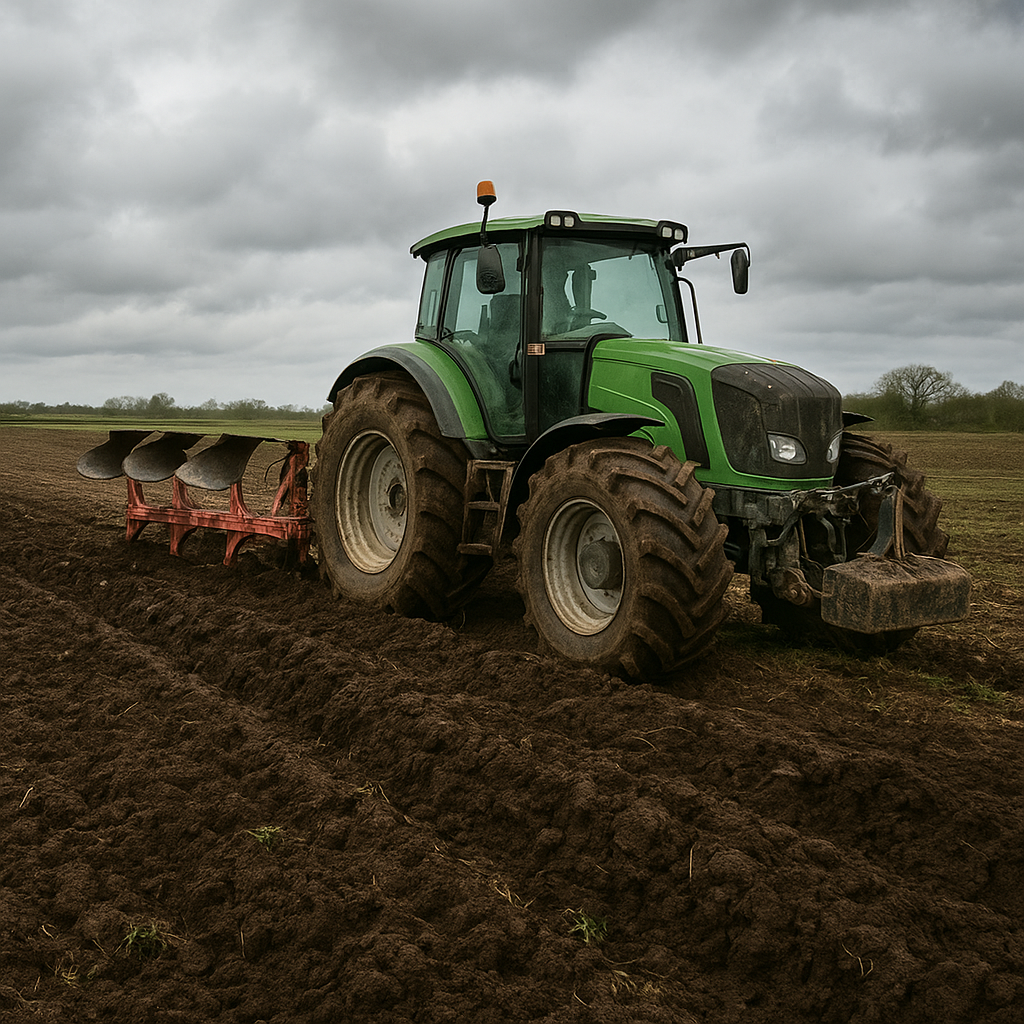
Plowing wet or heavy soil demands careful planning, specialized equipment adjustments, and attentive field management to protect the land and optimize tractor performance. Successfully tackling difficult ground conditions not only preserves the health of your fields but also extends the life of your machinery. Below are practical recommendations for farmers and operators aiming to navigate the unique challenges posed by moisture-laden or dense soils.
Understanding Soil Conditions
Before starting any field work, it is crucial to assess the field’s condition. Recognizing when the soil is too wet or overly compacted helps prevent deep ruts, soil smearing, and equipment overloading. Follow these guidelines:
- Moisture testing: Use a simple squeeze test. Take a handful of soil, squeeze firmly, and release. If water beads on the surface or soil sticks excessively to your gloves, wait for drier conditions.
- Check weather forecasts: Avoid plowing immediately after heavy rainfall or during freeze–thaw cycles that temporarily increase soil moisture.
- Observe field topography: Low spots and depressions retain more water, so begin plowing on elevated sections to minimize equipment bogging.
Adjusting Your Equipment
Properly configuring your tractor and plow can make the difference between a smooth operation and countless headaches. Key factors include:
Choosing the Right Plow Design
- Moldboard plows: Widely used for deep inversion but require sufficient traction and may smear wet soils. Ensure the moldboards are polished to shed mud quickly.
- Chisel plows: Less inversion, reduced draught, and better suited for minimal tillage systems. They work well on heavy soil with lower risk of smearing.
- Disc plows: Cut through residue and penetrate wet ground efficiently. Disc blades with a concave shape shed soil faster than flat blades.
Tire Pressure and Traction
Maintaining optimum traction is vital to avoid wheel slip and minimize soil disturbance. Consider the following:
- Lower tire pressure: Slightly deflated tires increase footprint, distributing weight more evenly and reducing ground pressure.
- Duals or tracks: Adding dual wheels or tracks improves flotation, crucial when operating in saturated fields.
- Wheel ballast: Ballasting adds weight to improve plow penetration but avoid excessive loading that intensifies compaction.
Plow Settings and Calibration
- Depth control: Shallow depths prevent overloading the tractor; aim for 15–20% less than normal maximum depth when soils are wet.
- Side shift and tilt: Align the plow so each share follows a uniform depth path, reducing undue stress on individual moldboards.
- Regular calibration: Fine-tune depth wheels, coulters, and hydraulic linkages before entering the field.
Field Operation Strategies
Executing a successful plowing pass on challenging ground requires a disciplined approach. Integrate these techniques into your field routine:
Start on Higher Ground
Begin operations on well-drained, firm areas to warm up equipment and confirm settings. Transition to lower, wetter spots once the tractor and plow are running smoothly.
Maintain Steady Speed and Momentum
- Consistent forward speed: Avoid sudden accelerations or decelerations that can stall the plow or cause hitch shock loads.
- Use a slightly higher gear: Prevents lugging the engine at low revs and reduces torque fluctuations.
Overlap and Turn Management
Careless turns in soggy fields can damage soil structure and create deep ruts. Instead:
- Plan headlands: Keep turning areas as small as feasible to limit traffic on wet zones.
- Reverse direction periodically: Distribute compaction more evenly across the field.
Post-Plowing Care
After completing the plowing operation, immediate follow-up actions ensure long-term field health and prepare for subsequent tasks.
Inspection and Cleanup
- Examine furrows: Look for poorly inverted layers or compacted patches that may restrict root growth or drainage.
- Clear debris: Remove any excessive soil clods, rocks, or lodged plant material to facilitate seeding operations.
Implement Maintenance
Working in wet or abrasive soils accelerates wear on cutting components. Prioritize:
- Sharpening or replacing plowshare and knives to maintain cutting efficiency.
- Inspecting moldboards and landsides for cracks or excessive wear.
- Lubricating all moving parts and greasing pivot points to prevent rust and ensure smooth operation.
Monitoring Soil Structure Recovery
Once fields begin to dry, use a penetrometer or spade test to gauge compaction levels. Consider light tillage or subsoiling if you detect a hardpan layer restricting water infiltration and root penetration.
Additional Tips for Extreme Conditions
When fields remain too wet for conventional plowing, explore alternative strategies:
- Controlled Traffic Farming (CTF): Restrict wheel paths to permanent lanes, preserving soil structure in the majority of the field.
- Raised beds: In extremely wet regions, planting on raised beds can enhance drainage and speed field operations.
- Timing adjustments: Shift to other tasks such as equipment maintenance, fertilizer calibration, or field mapping until conditions improve.
Strategic planning, proper adjustment of implements, and prompt maintenance are key to successful plowing on wet or heavy soils. By integrating these tips into your operation, you can minimize soil damage, protect your machinery, and set the stage for healthy crop establishment.