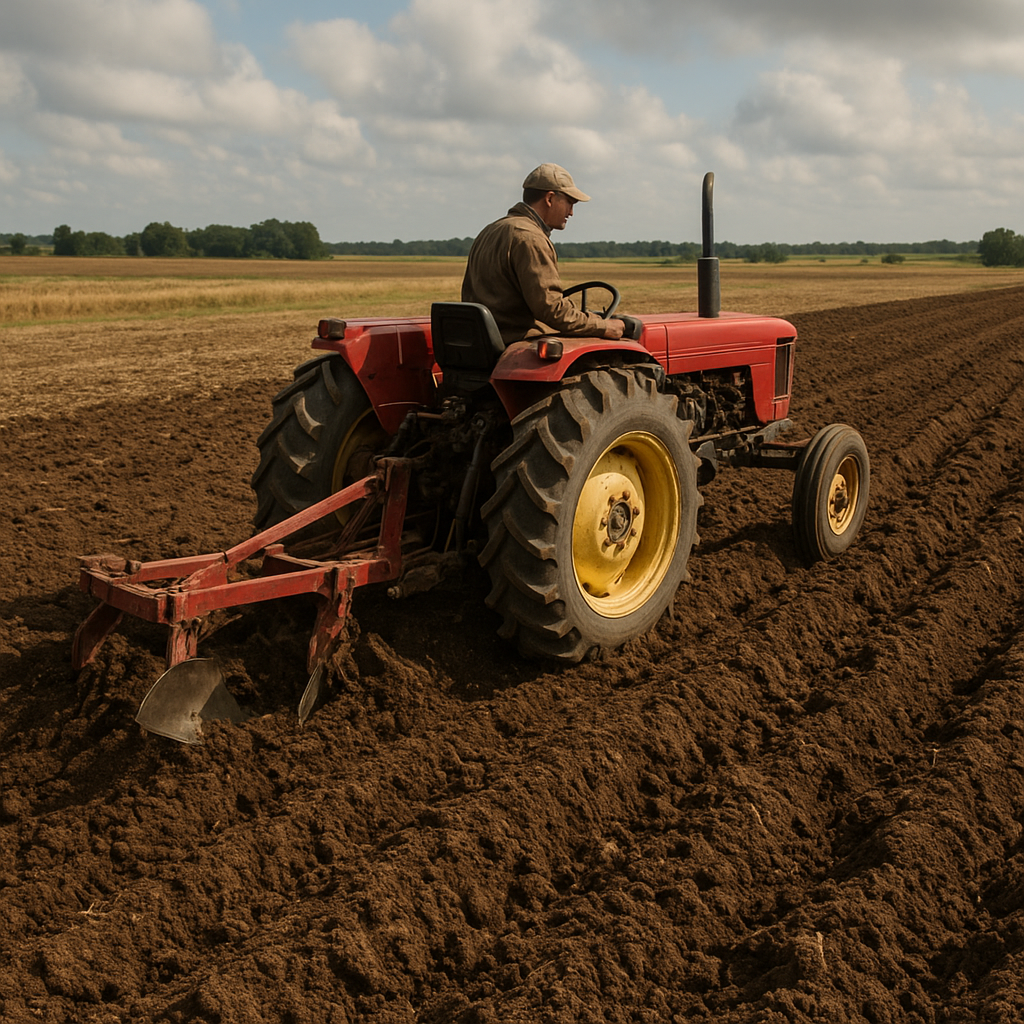
Plowing is a critical step in crop production, laying the groundwork for healthy seedbeds and robust yields. Yet, many farmers inadvertently commit a range of errors that compromise soil structure, reduce nutrient availability, and increase fuel costs. By recognizing and correcting these missteps, growers can optimize field performance, conserve resources, and protect long-term productivity.
Choosing the Right equipment and Settings
Selecting machinery that matches field conditions and crop rotations is a cornerstone of successful plowing. Many operators default to tried-and-true implements without evaluating whether those tools remain suitable after landscape or soil changes. This leads to problems such as uneven furrows, poor residue incorporation, and excessive fuel consumption.
- Underpowered tractors: Running a plow with insufficient horsepower forces engines to labor, increasing wear and tear. Always match tractor drawbar ratings to the implement’s requirements.
- Wrong plow type: Reversible, moldboard, chisel, and disc plows each excel under specific conditions. Using a moldboard plow on light, sandy soils may bury moisture and promote crusting.
- Inadequate hitch adjustments: A poorly aligned three-point hitch results in uneven draft and inconsistent depth across the field. Check linkage pins and leveling bars before every job.
- Neglecting width settings: Overextending bottom spacing can overload the tractor’s hydraulics, while overly narrow settings waste passes and time.
Understanding and Managing soil Conditions
A frequent oversight is ignoring soil moisture, temperature, texture, and compaction levels. Plowing in overly wet conditions compacts lower horizons, restricting root growth and drainage. Conversely, dry, cloddy soils resist penetration, leading to incomplete inversion and poor seedbed uniformity.
Key mistakes include:
- Plowing immediately after heavy rains: Even slight saturation turns topsoil into a slick, dense mass. Allow moisture to equilibrate through gravimetric drainage or use penetrometers to test compaction.
- Overlooking soil pH and organic matter: Acidic soils with low organic carbon are more prone to crusting and erosion. Conduct routine soil tests and apply lime or compost as needed to boost fertility.
- Ignoring field variability: Sloping areas may drain faster than low-lying zones. Consider variable-depth plowing or contour implements to maintain uniform structure.
- Failing to rotate implements: Using the same furrow opener year after year intensifies wear patterns, reducing coulter performance and promoting channeling.
Mastering Proper Plowing technique
Even top-tier machinery falls short if operators use poor technique. Inconsistent ground speed, erratic steering, and uncontrolled plow tilt directly impact seedbed quality and fuel efficiency.
- Inconsistent tractor speed: Sudden acceleration or deceleration can tear soil profiles instead of slicing them cleanly. Maintain steady RPM and ground speed for uniform furrow formation.
- Poor line alignment: Wandering plow lines create overlaps or skips, wasting passes. Employ row markers or GPS guidance to keep implements on track.
- Too high hitch: When the hitch is set above the optimal height, the plow rides up, producing shallow furrows and leaving residue on the surface.
- Overworking the field: Multiple shallow passes may exhaust soil structure. Opt for a single, well-planned primary plow to reduce energy expenditure and time.
Ensuring Adequate Maintenance and calibration
Routine maintenance is often relegated to service intervals, but daily checks are vital for peak performance. Worn components, from moldboard blades to bolt connections, degrade plow action and raise operating costs.
- Neglecting blade sharpening: Dull shares require more draft pull and yield irregular cutting, which disturbs soil structure and buries residue unevenly.
- Skipping grease points: Bearings, pivot joints, and hydraulic cylinders need lubrication to prevent seizing and premature failure.
- Forgetting torque checks: Loose nuts and bolts can shift frame geometry, leading to tracking issues and uneven traction.
- Ignoring hydraulic leaks: Reduced hydraulic pressure compromises depth control and hitch responsiveness.
Timing Your Operations and Controlling erosion
Finally, the calendar matters nearly as much as the machinery. Plowing too early in spring may expose subsurface moisture to evaporation, while late-season operations risk erosion under wind or rain.
Common timing mistakes:
- Rushing to finish before rains: Holding out for drier conditions can pay off in lower fuel consumption and better seedbed integrity.
- Delaying till after heavy residue harvest: Waiting too long leaves soils bare during peak erosion windows.
- Neglecting cover crops: Establishing rye or legumes immediately after plowing stabilizes soil, suppresses weeds, and adds organic matter.
- Disregarding weather forecasts: A well-timed break in rainfall helps firm the plowed layer, enabling quick seedbed packing and planting.