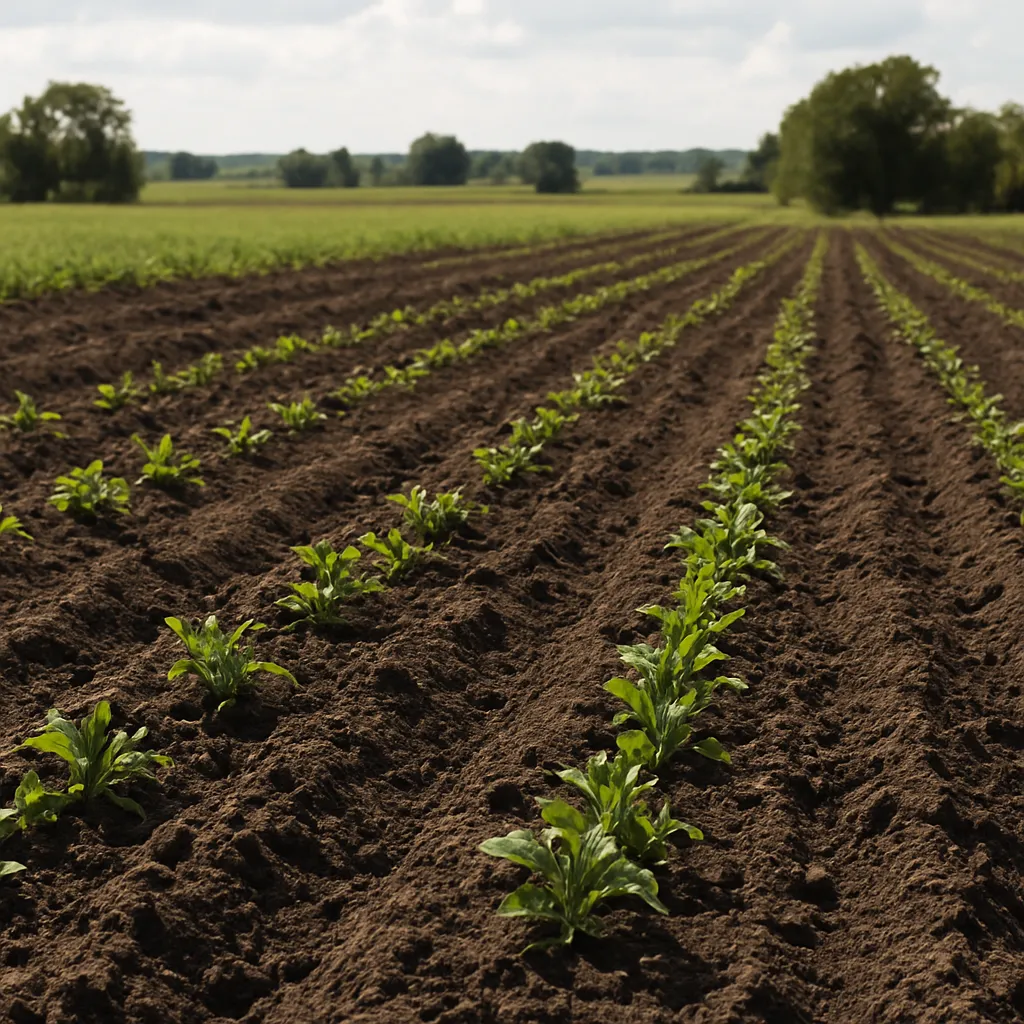
Proper management of weeds after plowing is essential for maintaining soil health, optimizing nutrient availability, and ensuring strong crop establishment. By understanding the factors that influence weed emergence and applying a combination of strategies, farmers and gardeners can keep unwanted plants in check without overreliance on chemicals. This article explores key considerations, from immediate post-plow actions to long-term cultural practices, all designed to minimize the impact of residual weeds and protect future yields.
Factors Influencing Post-Plowing Weed Growth
Soil Disturbance and Weed Seeds
Plowing turns the topsoil, burying old plant debris and bringing buried weed seeds to the surface. This process often triggers mass germination, as seeds tucked deep in the seedbank detect new light and warmth. Understanding the dynamics of the seed bank is fundamental: shallowly buried seeds may sprout quickly, while deeply buried ones remain dormant for seasons. The depth of plow furrows and the sharpness of the plow’s cutting edge directly influence how many seeds are exposed to conditions that promote germination.
Climate and Moisture Patterns
Temperature fluctuations, rainfall timing, and soil moisture levels dictate the pace of weed sprouting. Warm, moist conditions often lead to rapid emergence of annual weeds like pigweed and lambsquarters, while dry spells can delay germination but favor deeply rooted perennials such as bindweed. Monitoring weather forecasts allows growers to plan post-plow interventions—such as mechanical control or targeted irrigation—to disrupt weed life cycles at their most vulnerable stages.
Equipment and Technique
Choosing the right plow type and adjusting its settings can reduce the number of weed seeds brought up to the surface. Moldboard plows tend to flip soil deeply, while chisel plows and disk harrows provide shallower disturbance. By calibrating plow depth and speed, operators can minimize unnecessary seed exposure. Additionally, performing a “false seedbed” technique—plowing early, allowing weeds to emerge, then killing them before planting—can substantially lower weed pressure without immediate reliance on herbicides.
Integrated Weed Management Strategies
Relying on a single method often leads to resistance and diminishing returns. Instead, integrating multiple approaches helps achieve sustainable control of unwanted plants. Below is a breakdown of proven strategies.
- Mechanical Methods
- Chemical Techniques
- Cultural Practices
- Biological Controls
Mechanical Methods
After plowing, timely tillage operations such as harrowing or rotary hoeing can uproot young weed seedlings. Tools must be set to proper depth—usually 1 to 2 inches—to disturb emerging weeds without excessive soil turnover. Repeated shallow cultivations every 7–10 days form a simple yet effective barrier, preventing weeds from establishing robust roots.
Chemical Techniques
When infestations are severe, judicious use of pre-emergence herbicides can provide a chemical barrier at the soil surface. Herbicide selection should be based on the spectrum of target species, crop rotation plans, and local regulations. Combining pre- and post-emergence applications in a rotation reduces the risk of resistant biotypes developing.
Cultural Practices
Enhancing crop competitiveness is one of the most sustainable ways to suppress weeds. Dense planting, use of vigorous varieties, and optimum fertilization allow desired crops to outpace unwanted plants for light and nutrients. Mulching with straw or organic residue also blocks light, reducing the germination of many annuals.
Biological Controls
Introducing or encouraging natural enemies—such as certain insects, fungi, or bacteria—can selectively attack specific weed species. While biological methods rarely eradicate weeds alone, they can reduce seed production and complement other strategies. This approach requires careful scouting to ensure that beneficial organisms remain effective under varying field conditions.
Long-Term Approaches to Reducing Weed Pressure
Crop Rotation and Diversity
Implementing a varied crop rotation disrupts weed life cycles by altering planting dates, row spacing, and management tactics. Rotating between cereals, legumes, and cover crops prevents weeds adapted to a single cropping system from dominating. Including small grains or sorghum in the sequence can suppress broadleaf weeds by shading the soil earlier in the season.
Cover Crops and Mulching
Planting cover crops such as rye, clover, or radish during fallow periods offers multiple benefits: these species shade the ground, outcompete late-germinating weeds, and add organic matter when terminated. Properly terminated cover crops also act as a living mulch, further inhibiting weed emergence. For immediate post-plow protection, applying a mulching layer of straw, wood chips, or paper-based products can reduce light reaching the soil surface, depriving weed seeds of the cue to sprout.
Soil Health and Organic Amendments
Building soil health strengthens crop resilience and favors beneficial soil microbes that compete with weed seedlings. Regular additions of compost or well-aged manure improve soil structure and water-holding capacity, making conditions less favorable for weeds that prefer droughty, disturbed soil. Over time, healthy soils develop stronger aggregates that resist erosion and minimize the need for deep plowing, thereby reducing future weed seed exposure.
Monitoring and Record-Keeping
Maintaining detailed field logs—including plow dates, weather conditions, control measures used, and weed species observed—enables data-driven decisions. By tracking trends over multiple seasons, growers can adjust their integrated plan, target problematic species more effectively, and optimize timing for each intervention.
Conclusion of Best Practices
Effective post-plowing weed control hinges on understanding how soil disturbance, environmental factors, and management decisions intersect to influence weed management outcomes. A robust plan weaves together mechanical, chemical, cultural, and biological tactics, with an emphasis on preventing seeds from replenishing the seed bank. Over the long term, strategies such as diverse crop rotation, use of cover crops, and maintenance of high soil health are invaluable for minimizing weed pressure and securing consistent yields.