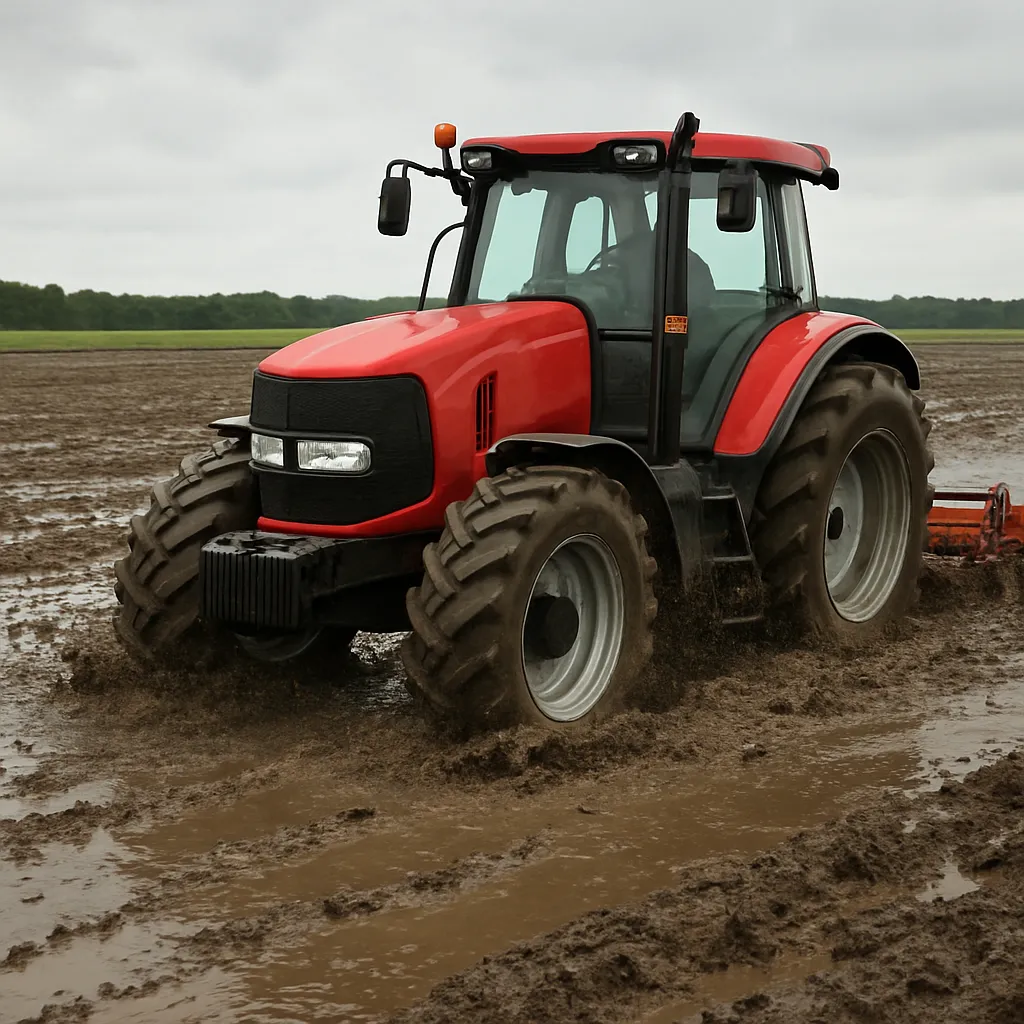
Operating a tractor on soaked ground presents a significant challenge for any farmer. Slippage not only wastes precious time and fuel but can also damage both equipment and soil structure. Careful planning, thoughtful equipment choices, and precise execution are essential to maintain consistent forward motion and preserve field integrity. This article explores proven strategies for keeping wheels turning and furrows straight when conditions are less than ideal.
Selecting and Preparing the Right Equipment
Assessing Tractor Specifications
Before heading into a wet field, evaluate the tractor’s power-to-weight ratio. A higher horsepower unit might struggle if the weight is insufficient to improve traction. Conversely, an overly heavy machine can cause excessive soil compaction, worsening drainage and prolonging surface wetness. Finding the balance between power and weight ensures that the engine can pull implements without spinning wheels uselessly.
Choosing Appropriate Tires
Tire selection can drastically influence grip on soft, waterlogged surfaces. Look for deep-lug patterns and wider footprints to increase contact area. Inflating tires to a lower pressure allows them to flex and „float” rather than dig in and spin. When possible, switch to radial or flotation tires specifically designed for low-pressure operation. These provide a broad, even surface to distribute weight and maximize adherence.
Adding Ballast and Weight Distribution
Ballast—or additional weight—can be added via front or rear wheel weights, cast-iron deflectors on rims, or liquid-filled tires. The goal is to optimize weight distribution so that both drive and steering wheels carry sufficient load. A well-balanced tractor resists fishtailing and keeps plow lines straight. Excessive ballast on one axle may overload soil and lead to wheel sinking or rutting, so adjust increments carefully.
Adjusting Tractor Settings for Maximum Grip
Using Differential Locks and Four-Wheel Drive
Engaging a locked differential forces both wheels on an axle to rotate at the same speed, preventing one side from spinning freely when it hits a slick patch. When available, four-wheel-drive (4WD) ensures that power is distributed among all wheels, further reducing slippage. However, be mindful of increased turning radius and stress on drive components. Disengage as soon as conditions permit to protect the transmission.
Fine-Tuning Tire Pressure
Lowering air pressure increases the tire’s surface area in contact with the soil, enhancing stability and flotation. Use a pressure gauge to bring tires down to the manufacturer’s recommended minimum for field work. If soil is extremely soggy, experiment with incremental reductions but avoid going so low that the tire beads risk separating from the rim. After work, restore normal pressure for transport to minimize tire wear.
Monitoring Hydraulics and Draft Control
Modern tractors often include draft control systems that automatically adjust plow depth and downforce. By maintaining a consistent load on the implement, draft control helps prevent sudden surges that can cause wheel spin. Regularly inspect hydraulic lines, filters, and fluid levels to keep the system responsive. Small adjustments to sensitivity settings can make a big difference in fluctuating field conditions.
Effective Plowing Techniques to Minimize Slippage
Timing Your Field Entry
Working immediately after a heavy rain almost guarantees slippage. Ideally, wait until the topsoil begins to firm up—this can mean postponing operations by a few hours or even days. Use a hand-held soil penetrometer or simply walk the field to assess firmness. If the surface yields less than one inch under your boot, hold off until it can support tractor weight without excessive sinkage.
Implement Angle and Depth Control
Set the plow at a moderate angle to reduce the pulling force needed. A shallow initial cut helps you maintain forward momentum until the tractor gains a stable footing. Once traction is established, gradually deepen the furrow. Avoid aggressive full-depth starts, which almost always lead to wheel spin on damp ground. Embrace a step-by-step approach to build up to the desired working depth.
Maintaining a Steady Throttle
Jerky acceleration can break traction, causing wheels to spin and soil to clump. Keep the throttle steady and avoid sudden spikes in engine speed. If slippage begins, ease off slightly and allow the plow to lighten momentarily. Then apply power smoothly to regain forward motion. This technique may slow overall progress, but it prevents deep ruts and equipment strain.
- Start slowly: Engage implements at low ground speed.
- Build momentum: Gradually increase speed rather than stomping the throttle.
- Watch the furrow: Adjust on the go to maintain a consistent cut.
Soil Management and Field Maintenance
Improving Drainage and Soil Structure
Long-term prevention of slippage begins with proper field design. Installing surface or subsurface drains channels excess water away, enabling quicker drying. Incorporate organic matter or cover crops to improve aggregation and porosity. A well-structured soil holds moisture in its pores rather than on the surface, reducing slipperiness and enhancing overall soil structure.
Rotating Crops and Residue Management
Alternating between shallow-rooted and deep-rooted crops prevents soil sealing and compaction. After harvesting, spread straw or mulch to protect the surface from erosion and slow down moisture evaporation. In early spring, run a shallow cultivation pass to break up crusted layers, promoting faster drying and better traction when plowing begins.
Regular Equipment Maintenance
Consistent maintenance is vital to keep tractors ready for challenging conditions. Inspect tires for uneven wear, verify that lug patterns are deep enough for winter and spring work, and ensure wheel nuts are torqued to specification. Clean rims and hubs after each session to prevent mud build-up that can unbalance wheels. Faulty brakes, worn clutches, or sluggish hydraulics can exacerbate slippage, so address mechanical issues promptly.
Adapting to Weather Forecasts
Monitoring upcoming weather allows you to plan operations around dry periods. Short windows of lower moisture can be used for critical passes like primary tillage. Invest in soil moisture sensors or subscribe to local agri-meteorological services for real-time updates. By syncing plowing with favorable conditions, you significantly reduce the risk of wheel spin and lost productivity.
Implementing these strategies—careful equipment selection, precise adjustments, refined plowing methods, and attentive field management—will help you conquer the most challenging wet-field conditions. With practice and diligence, slipping wheels will become a rare occurrence rather than a recurring obstacle.