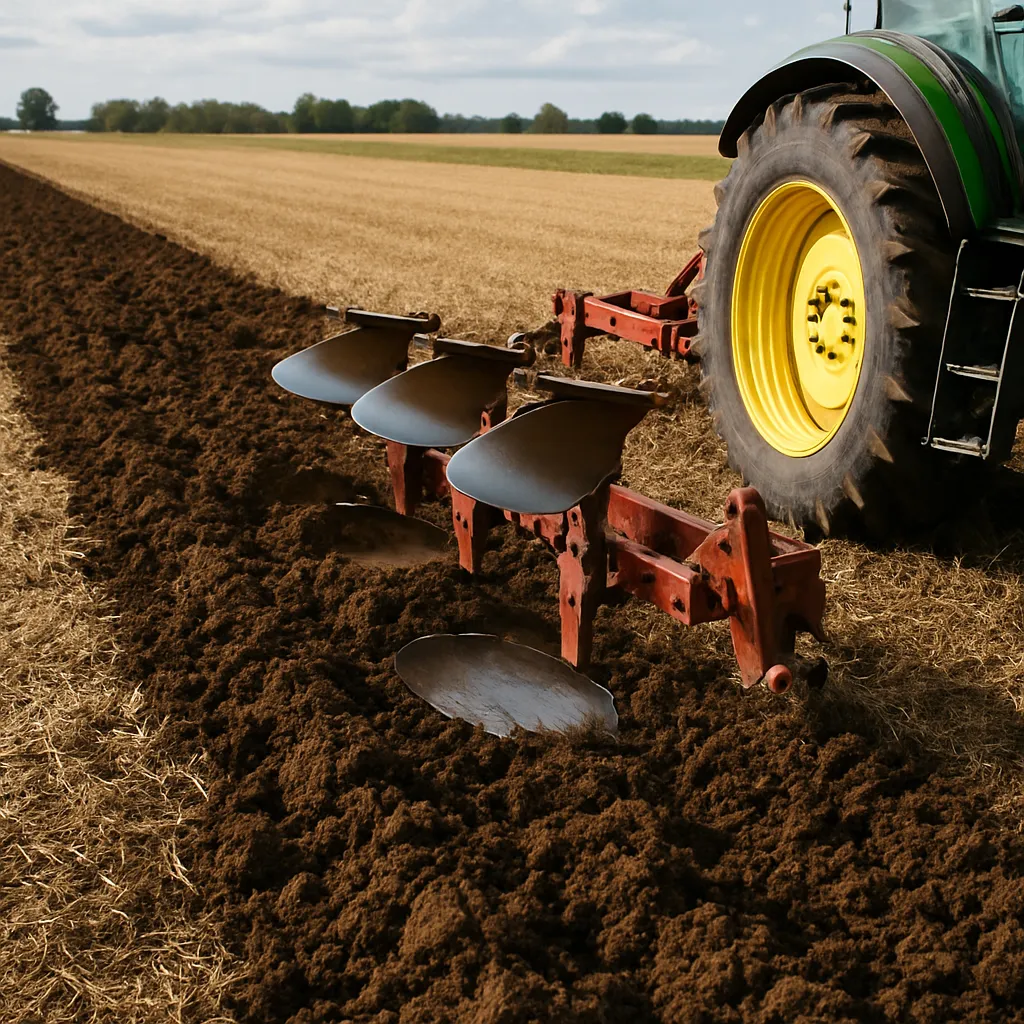
Soil smearing is a common challenge during plowing that can lead to reduced water infiltration, poor root development, and increased erosion. By understanding key factors such as soil moisture, equipment settings, and field practices, operators can significantly reduce smearing and improve overall field health. This article provides practical tips and techniques to help you achieve cleaner furrows and healthier soil, ultimately boosting crop performance and preserving long‐term productivity.
Understanding Soil Conditions
Effective prevention of soil smearing starts with a thorough knowledge of existing field conditions. Soil smearing often occurs when heavy equipment passes over moisture‐laden ground, compressing the structure and creating impermeable layers. Key factors include:
- Texture – Clayey soils are more prone to smearing than sandy loams because fine particles bind together under pressure.
- Moisture – Operating in overly wet conditions turns soil into a plastic‐like state, increasing the risk of smearing.
- Compaction – Previous traffic or operations can leave soils dense, exacerbating smearing when plowing resumes.
- Organic Matter – Higher organic content helps improve soil structure and resilience against smearing.
Before plowing, perform a simple pull‐test: squeeze a handful of soil and observe if it forms a ribbon longer than one to two inches. If so, waiting for drier conditions can prevent major smearing issues.
Optimizing Equipment Adjustments
Setting up plow components correctly is essential in minimizing soil disturbance and smearing. Follow these guidelines:
- Depth Control – Avoid plowing too deep in wet soil. Adjust the depth gauge to maintain a shallower cut until the field dries.
- Angle of the Moldboard – A sharper angle encourages effective soil turnover without excessive lateral pressure on the furrow walls.
- Blades and Shares – Keep cutting edges sharp to slice cleanly rather than tear through soil, reducing drag and compaction.
- Speed Management – Travel at a moderate pace to allow proper soil flow along the moldboard, avoiding smearing from abrupt transitions.
- Use of anti‐smear coulters or disc attachments can pre‐cut residue and loosen the soil, facilitating a smoother plowing action.
- Check the alignment of skid shoes and gauge wheels to ensure even pressure distribution across each furrow.
Field Practices to Minimize Smearing
Implementing best management practices on the field can further reduce the risk of creating impermeable layers.
- Timing – Schedule plowing when the soil moisture is within optimal range. Early morning or late afternoon may present better conditions as dew evaporates.
- Traffic Patterns – Limit unnecessary passes over the same path. Design headland and tramline patterns to confine compaction to specific areas.
- Traction Control – Use dual wheels or tracks to spread weight and lower ground pressure, reducing the depth of compaction zones.
- Alternate plowing directions seasonally to distribute stress and break up potential compacted layers over time.
- Cover Crops – Deep‐rooted species such as radishes or grasses help alleviate compaction and maintain porosity between primary tillage operations.
Maintenance and Monitoring
Regular upkeep and performance checks make a significant difference in preventing soil smearing incidents over multiple seasons. Key steps include:
- Maintenance Schedule – Clean and inspect moldboards, shares, and coulters after each use. Replace worn components promptly.
- Monitoring Logs – Record field conditions, machine settings, and outcomes. Analyzing this data helps you refine practices for specific soil types.
- Sensors and Sensor Kits – Many modern plows can be equipped with moisture and compaction sensors that provide real‐time feedback.
- Calibration – Verify that depth and angle settings on the plow correspond accurately with display readings in the tractor cab.
- Operator Training – Ensure all drivers understand the importance of equipment adjustments and field conditions to reduce smearing risk.
Detecting Early Signs of Smearing
Even with the best practices, occasional smearing can occur. Watch for these warning signs:
- Glossy or polished appearance on furrow walls.
- Poor water infiltration rates after rainfall or irrigation.
- Stunted plant growth confined to certain tramlines.
Addressing these issues promptly through shallower cultivation, subsoiling, or targeted ripping can restore proper soil function and prevent yield losses.