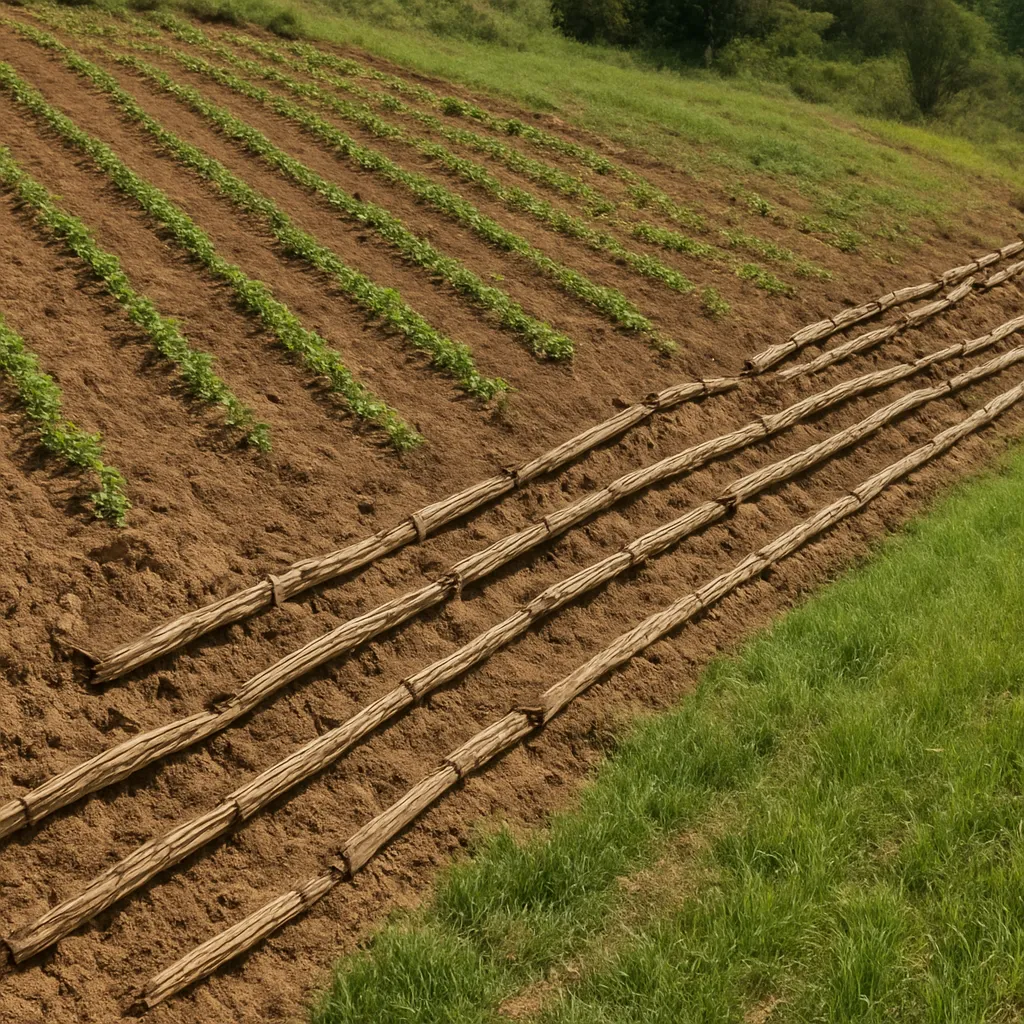
Managing sloped fields presents unique challenges, especially when aiming to minimize topsoil displacement and maintain crop productivity. Employing effective plowing strategies and integrating complementary practices can substantially reduce soil loss while fostering a healthier agroecosystem. This guide explores proven methods and innovations to bolster field resilience against erosion.
Understanding the Dynamics of Soil Loss on Slopes
The first step in devising an erosion control plan is grasping the key factors driving soil displacement. Steep gradients, heavy rainfall, and improper equipment use can all exacerbate the detachment and transport of valuable topsoil particles.
Mechanisms of Erosion
- Splash Erosion – Raindrops striking bare ground dislodge fine particles.
- Sheet Erosion – Uniform removal of a thin soil layer across a large area.
- Rill and Gully Formation – Concentrated runoff cuts small channels (rills) that may deepen into gullies.
- Wind Erosion on Exposed Slopes – Desiccated soil becomes vulnerable to wind transport.
Risk Factors on Sloped Terrain
- Slope Angle – Even moderate inclines can accelerate runoff velocity.
- Soil Texture and Structure – Sandy or poorly aggregated soils erode more readily than well-structured loams.
- Land Cover – Bare fields or sparse vegetation amplify both water and wind erosion.
- Management Practices – Frequent deep tillage without protective cover disturbs nutrients and organic matter.
Strategic Plowing Techniques for Erosion Control
Adapting plowing methods can dramatically reduce the risk of erosion by promoting infiltration, enhancing residue coverage, and aligning earthworks with natural contours.
Contour Plowing
Contour plowing involves creating furrows that follow the natural elevation lines across a slope. By doing so, farmers achieve:
- Lowered runoff speed, enabling water to infiltrate rather than flow downhill.
- Enhanced water distribution across the field.
- Reduced rill formation thanks to intermittent ridges that trap surface runoff.
Ensure your plow adjustments maintain consistent furrow depth and spacing to optimize the system. Periodic calibration of GPS-guided tractors can preserve accuracy over extensive acreage.
Strip Tillage
Strip tillage combines the soil warming and residue management benefits of conventional tillage with the conservation advantages of no-till. Key features include:
- Leaving undisturbed protective cover crops between tilled strips.
- Minimizing soil disturbance to reduce compaction and preserve structure.
- Facilitating targeted nutrient placement within tilled zones.
This method ensures that only the seed row receives aggressive cultivation, while undisturbed zones anchor the slope and maintain organic matter content.
Terracing and Graded Banks
For fields with severe inclines, incorporating terraces can break a long slope into several smaller, more manageable gradients. Effective terracing accomplishes:
- Creation of flat planting platforms to slow water movement.
- Installation of diversion channels or drainage inlets to intercept excess runoff.
- Prevention of gully formation by controlling concentrated flows.
Well-designed terraces combine mechanical earthworks with vegetation on risers to strengthen structural integrity and boost biodiversity along field margins.
Complementary Soil Conservation Practices
Plowing methods alone cannot guarantee long-term stability. Incorporating a suite of practices can further shield your fields from degradation while enhancing soil health.
Cover Cropping
Establishing cover crops between main cash crops fosters continuous living roots in the soil, delivering multiple benefits:
- Protection of soil surface from raindrop impact.
- Reduction of nutrient leaching by uptaking residual nitrogen and phosphorus.
- Organic matter enrichment through root exudates and biomass decomposition.
Choose species like cereal rye or crimson clover that suit your climate and rotation, ensuring timely termination to avoid competition with primary crops.
Mulching and Residue Management
Retaining crop residues on the surface acts as a mechanical barrier to erosion agents:
- Organic mulches (e.g., straw, wood chips) maintain soil moisture and temperature stability.
- Chopped residue from previous harvest reduces exposed ground area.
- Surface cover fosters microbial activity, accelerating nutrient cycling.
Care must be taken to balance residue levels to prevent interference with seeding operations and equipment performance.
Buffer Strips and Grass Waterways
Planting perennial grass strips at strategic locations can interrupt surface flow:
- Buffer strips along contours trap sediments before they leave the field.
- Grass waterways offer low-resistance channels for safe conveyance of runoff.
- Riparian plantings stabilize banks of natural drainage courses.
Integrate these features during the plowing phase by marking permanent no-till zones or using GPS guidance to avoid mechanical disturbance.
Maintenance, Monitoring, and Adaptive Management
Consistent evaluation of plowing and conservation measures ensures they continue to function under evolving conditions. A proactive stance prevents minor issues from escalating into large-scale soil degradation.
Field Inspections
Conduct routine checks, especially after heavy rains or strong winds, to spot early signs of erosion such as:
- New rills or gully edges.
- Exposed roots or loss of topsoil at headlands.
- Uneven moisture patterns indicating surface crusting or compaction.
Document observations with GPS-tagged photographs to track trends over time and inform future adjustments.
Equipment Calibration and Maintenance
Optimal tool performance is crucial. Key tasks include:
- Sharpening and leveling plowshares to ensure uniform cutting depth.
- Checking tire pressure and ballast distribution to prevent wheel-induced compaction.
- Updating guidance systems for precise contour or strip placement.
Regular servicing not only enhances erosion control but also extends machinery life and reduces fuel consumption.
Adaptive Management Strategies
Remain responsive to emerging data and shifting weather patterns. Consider:
- Adjusting plowing schedules based on seasonal conservation priority, such as delaying tillage until after a dry spell.
- Altering terrace gradients or spacing to accommodate increased stormwater volumes.
- Rotating cover crop species annually to prevent disease buildup and diversify soil microbial communities.
Engaging with local extension services and agronomic consultants can provide tailored recommendations suited to regional soil types and climatic conditions.