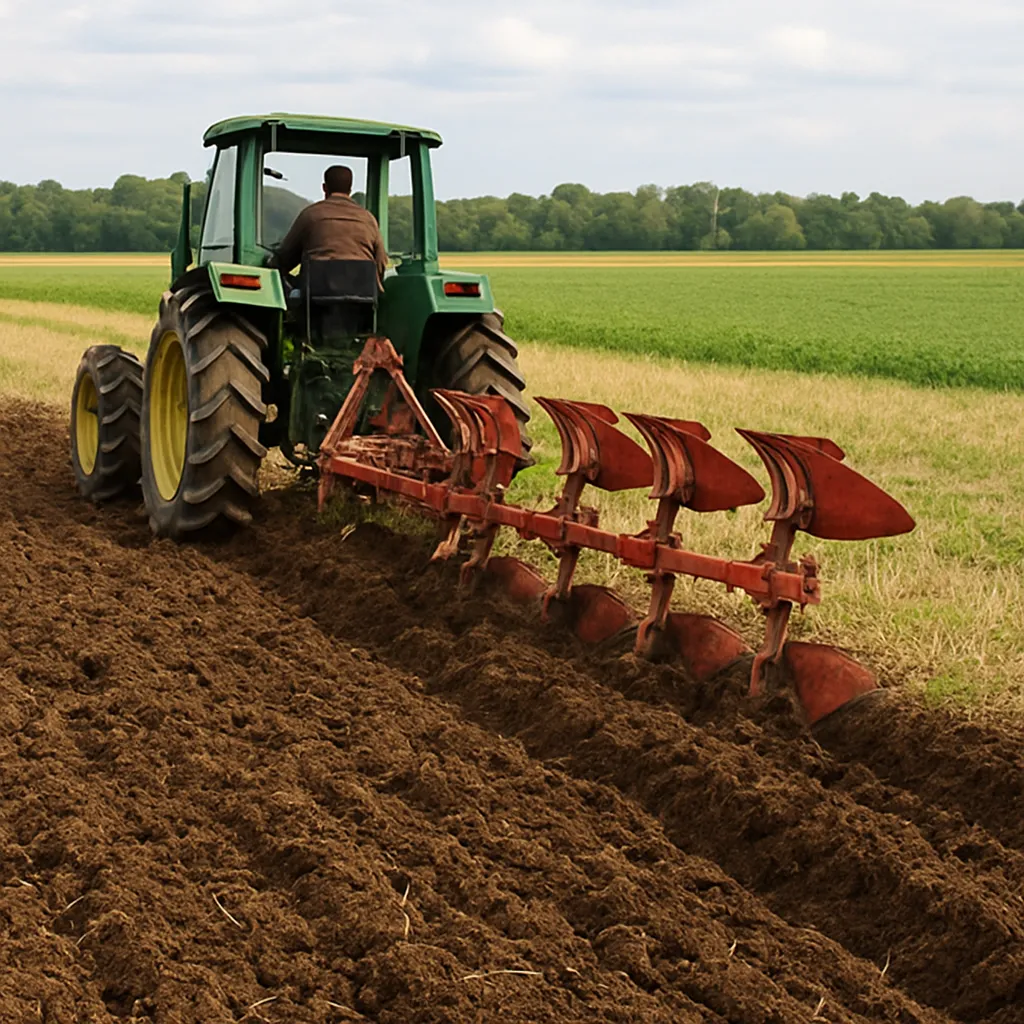
Effective planning for plowing in crop rotation systems demands a clear strategy that balances soil health, machinery capacity, and seasonal demands. By examining key factors such as field structure, weather patterns, and residue management, growers can optimize soil fertility, reduce input costs, and maintain sustainable yields over time.
Understanding the Soil and Field Conditions
Before initiating any plowing operation, a thorough assessment of field characteristics is essential. Soil conditions vary widely across a farm, and tailoring your approach to each zone can maximize efficiency and long-term productivity.
1. Soil Testing and Texture Analysis
- Collect samples from multiple points to identify pH levels, organic matter content, and nutrient reserves.
- Use a textural triangle to classify soil as sandy, loamy, or clayey; this determines how easily the soil can be tilled and how well it retains moisture.
- Moisture levels must be within an optimal range—too wet leads to compaction, too dry causes dust clouds and loss of soil structure.
2. Topography and Drainage Considerations
- Map slopes and low-lying areas; sloped fields require erosion control strategies such as contour plowing or strip cropping.
- Ensure adequate drainage by installing sub-surface tiles or surface ditches in areas prone to waterlogging.
- Identify potential runoff points to avoid nutrient losses during heavy rains.
Designing an Effective Plowing Schedule
Creating a detailed timeline for plowing not only keeps farm operations on track but also synchronizes soil preparation with planting windows. A well-structured scheduling approach minimizes downtime and labor congestion.
1. Timing Based on Weather Forecasts
- Monitor local weather data to choose a period when soil moisture is ideal but before heavy rains can cause erosion.
- Spring plowing should follow frost thaw yet precede rapid seedbed drying; fall plowing benefits from warm, dry soil to break down residues.
2. Sequencing by Crop Type
- Assign fields to crops early in the rotation to determine the depth and style of tillage required—light for shallow-rooted vegetables, deep for root crops like potatoes.
- Plan plowing operations around harvest dates; immediate turnaround prevents weed establishment and preserves residue decomposition.
3. Machinery Selection and Maintenance
- Choose between moldboard plows, chisel plows, and disc plows depending on soil texture and desired disturbance level.
- Perform routine maintenance on coulters, shanks, and hydraulic systems to ensure uniform depth control.
- Machinery with GPS guidance reduces overlap, lowers fuel consumption, and improves overall field coverage.
Incorporating Plowing into Crop Rotation
Integrating plowing with a diversified crop rotation plan offers numerous benefits, including pest suppression, nutrient cycling, and improved soil structure. Strategic tillage can enhance each phase of the rotation.
1. Weed and Pest Management
- Alternate deep and shallow tillage to disrupt pest life cycles and bury weed seeds at depths where germination is unlikely.
- Combine plowing with cover crops to create a biological barrier against soil-borne pathogens.
2. Nutrient Redistribution
- Deep plowing helps incorporate organic amendments such as manure or compost into the root zone.
- Adjust plow depth to target subsurface nutrient zones, promoting uniform root distribution.
- Balance macro- and micronutrients by rotating legumes, cereals, and oilseeds, each with distinct nutrient uptake patterns.
3. Residue Management and Soil Conservation
- Opt for strip plowing in areas with high erosion risk, leaving protective strips of vegetation intact.
- Use reduced-tillage drills when seeding directly after plowing to retain some residue on the surface.
- Monitor organic matter trends and adjust plow frequency to maintain at least 3% organic carbon in the topsoil.
Advanced Tips and Best Practices
As technology evolves, so do methods for conservation tillage and precision farming. Incorporating these advanced practices can lead to greater efficiency and environmental stewardship.
1. Cover Crops and Green Manure
- Plant legumes, grasses, or brassicas after main crop harvest to protect soil from erosion and add biomass for cover crops.
- Till under the green manure in early spring to release nutrients back into the soil profile.
2. Precision Agriculture Tools
- Use yield maps and satellite imagery to identify field zones that require different tillage intensities.
- Employ variable-depth control systems on plows to adjust on the go, saving fuel and reducing soil disturbance.
3. Erosion Control and Water Management
- Implement grassed waterways and buffer strips in conjunction with plowing to slow surface runoff.
- Test soil infiltration rates before and after plowing to assess the impact on water percolation.