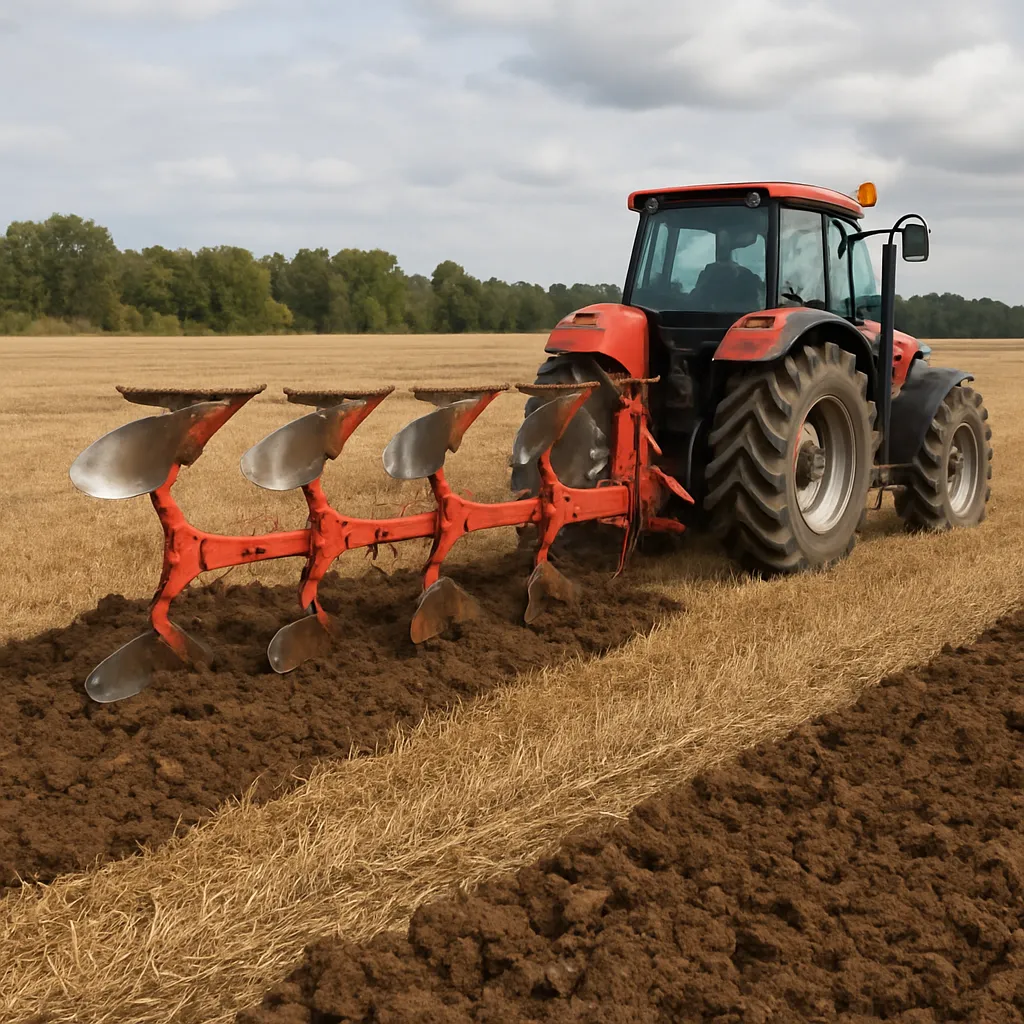
Implementing variable depth plowing can revolutionize your soil management strategy, offering a balance between soil compaction reduction and enhanced root development. By adjusting plow depth across a field, growers can address soil variability, optimize moisture retention, and improve overall crop performance. This article dives into practical approaches, equipment considerations, and key tips to master the technique.
Benefits of Variable Depth Plowing
Standard plowing methods often apply a uniform depth, ignoring the natural heterogeneity of your field. In contrast, variable depth plowing leverages modern technology to adapt depth settings on the go. The following benefits illustrate why this approach is gaining traction:
- Soil compaction alleviation: Targeted deeper passes in compacted zones while maintaining shallower depths elsewhere.
- Improved moisture retention: Deeper furrows in sandy or dry areas help preserve water for root uptake.
- Enhanced root development: Roots exploit loosened sublayers, accessing nutrients and moisture more effectively.
- Fuel efficiency: Reducing unnecessary draft by avoiding overly deep tillage in uniform areas.
- Decreased erosion risk: Maintaining surface residue in less critical zones minimizes runoff.
Understanding Soil Profiles and Crop Needs
Before adjusting your plow settings, assess the field’s soil variability. Soil mapping tools, such as electrical conductivity (EC) sensors or grid sampling, provide insights into texture, structure, and organic matter distribution. When you integrate this data into a precision farming platform, you can generate a zonal map to guide your variable depth plowing plan.
Identifying Soil Layers
- Topsoil characteristics: Texture (clay, silt, sand), color, and organic content.
- Subsoil compaction: Presence of plow pans, clay lenses or hardpan layers.
- Water table proximity: Understanding drainage constraints that may influence depth selections.
Matching Depth to Crop Requirements
- Cereals vs. row crops: Row crops often benefit from deeper tillage to promote strong stalk anchorage.
- Root depth guidelines: For deep-rooted crops, consider increasing subsoil tillage by 10–15 cm in compacted zones.
- Rotation impacts: Account for residue from previous crops, which may require shallower initial passes to avoid clogging equipment.
Equipment and Setup
Achieving precise adjustments demands the right tools and calibration. Modern plows equipped with hydraulic or electronic depth controls allow real-time changes based on GPS-guided field maps. Key considerations:
- Tractor power: Ensure sufficient horsepower to handle variable draft forces when switching depths.
- Tractor calibration: Verify that your GPS and auto-steer systems maintain accuracy within 2–3 cm to follow depth contours correctly.
- Choice of implement: Multi-depth chisel plows or winged subsoilers often outperform single-depth moldboard plows for variable applications.
- Sensor integration: Use load sensors or coulter-based pressure monitors to confirm actual depth versus target depth.
Plow Setup Checklist
- Inspect all hydraulic lines for leaks and maintain consistent pressure.
- Set baseline depth in the control console based on average field conditions.
- Load variable rate application maps into the controller software.
- Test a small section to validate depth transitions and equipment response time.
Step-by-Step Variable Depth Plowing Techniques
Follow this systematic approach to implement variable depth plowing effectively:
1. Field Survey and Mapping
- Conduct grid or zone sampling for soil compaction and moisture content.
- Generate GIS-based maps indicating depth prescriptions (for example, 15 cm in soft zones, 25 cm in compacted patches).
2. Equipment Configuration
- Upload maps into the tractor’s variable rate controller.
- Calibrate depth sensors and confirm coulter angles for accurate cut.
- Align draft links and level the implement to avoid unwanted torque.
3. Initial Pass and Fine-Tuning
- Begin at the field edge, gradually activating variable depth mode.
- Monitor rear-view cameras or side-mounted depth gauges to validate performance.
- Adjust response sensitivity to eliminate lag between command and implement movement.
4. Continuous Monitoring
- Use telemetry to track draft force and fuel consumption in real time.
- Log actual depths achieved versus target prescriptions for post-operation analysis.
- Inspect soil tilth visually, confirming adequate pulverization and residue cutting.
Tips for Effective Residue and Subsoil Management
Successful variable depth plowing goes hand in hand with proper residue handling and subsoil care. Here are techniques to consider:
- Residue management: Incorporate residue managers or staggered coulter arrangements to minimize clogging residue management issues.
- Subsoil aeration: After deeper passes, run a shallow secondary tillage tool to break clods and level the surface.
- Cover cropping: Follow with deep-rooted cover crops to prevent re-compaction and improve organic matter.
- Moisture conservation: Align deeper tillage with pre-plant irrigation schedules to ensure adequate water for seed germination.
Maintenance, Safety, and Environmental Considerations
Variable depth plowing can impact both equipment longevity and field ecology. Address maintenance and safety proactively:
- Cultivator settings review: After every 100 hectares, check for wear on shanks, points, and depth-control rams.
- Hydraulic system care: Replace filters and bleed lines to maintain consistent pressure.
- Operator safety: Train drivers to recognize hydraulic failures or unexpected terrain changes that could cause implement bounce.
- Environmental impact mitigation: Avoid excessive deep tillage in wet conditions to protect soil structure and minimize erosion.
Maximizing Economic Returns
Though variable depth plowing demands an initial investment in technology, the long-term gains can be substantial. Farmers report improvements in yield uniformity and input efficiency. Key economic factors include:
- Fuel efficiency: Reduced draft in softer zones saves up to 10% in fuel costs compared to fixed-depth plowing.
- Yield gains: Better root penetration often translates into 5–12% higher yields, especially under drought stress.
- Reduced equipment wear: By avoiding unnecessary deep passes, components such as bearings and shank brackets last longer.
- Data-driven decision making: Harvest maps correlated with depth records help refine future prescriptions and maximize ROI.