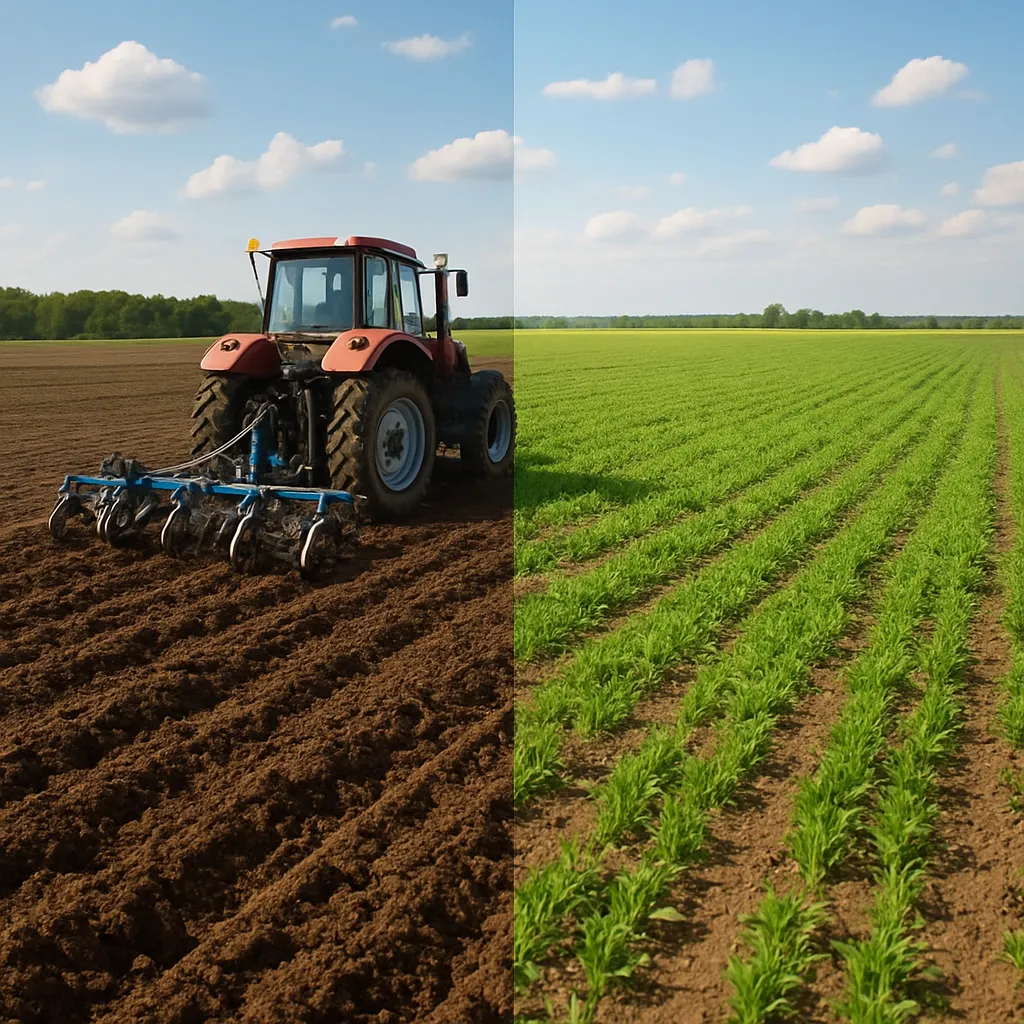
Spring plowing is a critical operation for many farmers, gardeners, and land managers aiming to prepare their fields and gardens for the upcoming growing season. By breaking up compacted earth, incorporating organic matter, and creating a receptive seedbed, this activity can significantly influence crop performance. However, it also carries certain risks, such as soil erosion, moisture loss, and delays due to weather. Exploring the advantages and drawbacks can help you develop a balanced approach to spring plowing, ensuring both immediate benefits and long-term sustainability.
Advantages of Spring Plowing
Spring tillage can offer a range of benefits when executed under optimal conditions:
- Soil Aeration: Plowing opens up subsoil layers, improving air exchange and promoting root penetration.
- Weed Control: Uprooting perennial weeds and burying their roots disrupts the weed life cycle before crops are planted.
- Moisture Management: Surface residue incorporation helps retain moisture in the seed zone during germination.
- Temperature Regulation: Freshly turned soil warms up faster, accelerating seed germination and early growth.
- Organic Matter Distribution: Mixing crop residues and cover crops into the soil enhances nutrient cycling and microbial activity.
- Pest and Disease Reduction: Burying crop debris can reduce overwintering sites for pests and soil-borne pathogens.
Challenges and Drawbacks
Despite its benefits, spring plowing comes with potential downsides that require careful consideration:
- Erosion Risk: Exposed soil surfaces are vulnerable to wind and water erosion, which can deplete valuable topsoil.
- Delayed Operations: Wet spring conditions can postpone plowing, pushing back planting schedules and compromising yields.
- Fuel and Labor Costs: Intensive tillage demands significant fuel consumption and labor, increasing overall production expenses.
- Soil Structure Damage: Over-plowing or working excessively wet soils can lead to compaction or the formation of a plow pan.
- Carbon Loss: Disturbance of soil aggregates accelerates organic carbon oxidation, contributing to greenhouse gas emissions.
- Nutrient Leaching: Tilled soils without immediate cover may lose soluble nutrients like nitrogen through leaching or runoff.
Effective Spring Plowing Tips
Optimizing your plowing approach can help maximize benefits while minimizing negative impacts. Consider these practical tips:
Timing and Soil Conditions
- Check Soil Moisture: Aim for a moisture content where soil crumbles easily in your hand — too wet leads to compaction, too dry creates clods.
- Watch Soil Temperature: Plow when soil temperatures reach at least 8–10°C (46–50°F) at a 5 cm depth to encourage microbial activity.
- Weather Forecast: Schedule operations during a forecasted dry window to avoid working a muddy field and delaying planting.
Equipment Selection and Setup
- Choose the Right Plow: Moldboard plows are effective for deep inversion, while chisel plows preserve more surface residue.
- Implement Maintenance: Sharpen plowshares, adjust coulters, and ensure proper alignment to reduce draft and improve traction.
- Depth Control: Set plow depth to target the specific tillage layer — typically 15–20 cm — avoiding overly deep passes that waste energy.
Residue and Cover Crop Management
- Incorporate Cover Crops: Terminate cover crops properly before plowing to avoid regrowth; green manure species add nutrient value.
- Residue Distribution: Spread residue evenly across the field to maintain organic matter and reduce erosion hotspots.
- Rotational Strategy: Combine plowing with rotational cropping to prevent disease buildup and diversify soil microbial communities.
Long-Term Strategies for Soil Health
Incorporating spring plowing into a broader soil health program ensures that tillage enhances productivity without degrading the land over time:
- Conservation Buffers: Establish grassed waterways or buffer strips to trap sediment and run-off from plowed fields.
- Reduced Tillage Integration: Alternate between deep inversion and shallower, minimum-till passes to maintain structure.
- Organic Amendments: Apply compost, manure, or biochar to replace lost organic carbon and stimulate microbial life.
- Regular Soil Testing: Monitor pH, nutrient levels, and organic matter to tailor fertilization and liming strategies.
- Cover Crop Rotation: Use diverse cover crop species in off-seasons to protect soil, suppress weeds, and add a range of minerals.
Advanced Techniques and Innovations
Recent developments in agricultural technology offer new tools to refine spring plowing:
- Weighted Implements: Adjustable ballast systems improve deep tillage without compromising ground clearance.
- GPS Guidance: Precision plowing reduces overlap, conserves fuel, and maintains uniform seedbeds across large fields.
- Variable Depth Control: Automated systems adapt plow depth on the go, responding to soil hardness and moisture variations.
- Integrated Sensors: Real-time soil moisture and compaction sensors aid in decision-making for optimal timing and depth.