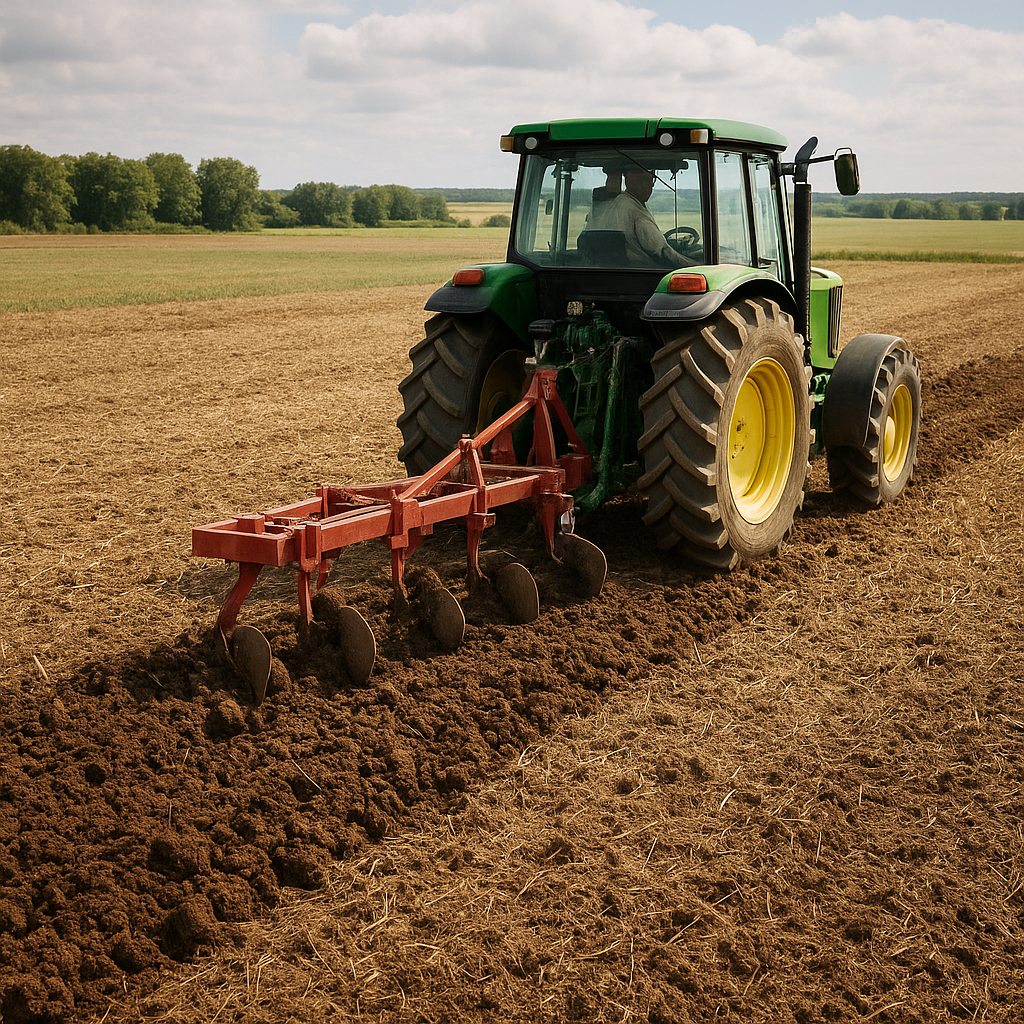
Rebuilding soil structure through gentle plowing is a vital practice for farmers and gardeners aiming to improve soil structure, boost microbial activity, and foster healthy plant growth. By adopting strategic plowing methods, you can enhance aeration, increase moisture retention, and reduce compaction without causing undue disturbance. This article explores practical tips for preparing, executing, and managing gentle plowing operations to achieve long-term sustainable benefits in your field or garden.
Understanding Soil Fundamentals and Challenges
Healthy soil is the cornerstone of productive agriculture. A well-structured soil features stable aggregates, ample pore space, and a thriving community of microorganisms. However, repeated heavy tillage, constant traffic, and adverse weather can lead to compaction, poor water infiltration, and reduced root development. Gentle plowing techniques aim to alleviate these issues while preserving the integrity of the soil’s natural ecosystem.
Key Components of Soil Structure
- Aggregates: Clumps of soil particles bound together, crucial for water movement and root penetration.
- Pore Spaces: Voids that allow air and water to move freely, ensuring proper oxygen supply.
- Organic Matter: Decomposed plant and animal residues that enhance nutrient availability and water-holding capacity.
- Microbial Life: Bacteria, fungi, and other organisms that cycle nutrients and strengthen soil aggregates.
Common Soil Structure Problems
- Surface Crusting: A hardened layer that impedes seedling emergence and reduces infiltration.
- Subsoil Compaction: A dense layer restricting deep root growth, often caused by heavy machinery.
- Erosion: Loss of topsoil due to water or wind, leading to nutrient depletion.
Preparing the Field Before Gentle Plowing
Proper preparation sets the stage for effective plowing. A thoughtful approach minimizes the risk of further damage and maximizes long-term sustainability. Before you begin, assess the current soil condition, identify compaction layers, and consider recent weather patterns.
Soil Testing and Analysis
Conduct a comprehensive soil test to determine pH, nutrient levels, and organic matter content. This information guides amendments and helps tailor your plowing strategy to specific needs.
Timing and Moisture Considerations
Avoid plowing when the soil is excessively wet or bone dry. Ideal moisture levels allow the soil to crumble rather than smear. Aim for a moisture content where you can form a ball of soil that breaks apart easily.
Amendments and Organic Additions
- Incorporate well-rotted compost or manure to boost organic matter and improve nutrient cycling.
- Apply lime or gypsum if soil tests indicate pH imbalance or sodic conditions.
- Use cover crops such as clover or vetch the season before to add biomass and protect against erosion.
Implementing Gentle Plowing Techniques
Gentle plowing approaches focus on loosening the soil without inverting entire layers. This helps retain surface residues and supports ongoing soil life. Below are several methods to consider:
Chisel Plowing
Chisel plows feature shanks that penetrate the soil, fracturing compaction zones while leaving surface residues intact. Benefits include:
- Improved aeration and enhanced root zone permeability.
- Reduced disturbance to surface organic matter and microbial habitats.
- Lower fuel consumption compared to deep moldboard plowing.
Subsoiling
Also known as deep ripping, subsoiling uses heavy-duty tines to break up deeper compaction layers (pan zones) without turning over the topsoil. Key advantages:
- Alleviates subsoil compaction and improves water infiltration.
- Maintains surface residues for weed suppression and erosion control.
Rotary Hoeing at Shallow Depths
A rotary hoe equipped with narrow tines can break surface crusts and encourage seedling emergence. Use minimal downforce and limit depth to less than 2 inches to prevent disturbance of underlying layers.
Adjusting Plow Depth and Speed
Optimal plow depth depends on soil type and compaction severity. For most gentle plowing, maintain a depth of 4–8 inches. Operating at moderate speeds (4–6 mph) ensures uniform shattering of compaction zones without excessive soil throw.
Post-Plowing Management and Best Practices
Post-plowing care is crucial for consolidating gains in soil health. Ignoring these steps can lead to rapid re-compaction or nutrient losses. Use the following strategies to sustain improvements:
Cover Cropping and Green Manures
Establish vigorous cover crops such as rye, oats, or legumes immediately after plowing. They help:
- Protect against erosion control by covering bare soil.
- Add organic biomass through root systems and top-growth.
- Fix atmospheric nitrogen (legumes) and enhance soil fertility.
Minimal Traffic and Controlled Entry
Limit machinery passes over the field to avoid undoing the compaction relief. Utilize designated lanes or tracked vehicles to concentrate pressure in known areas.
Mulching and Residue Management
Retain crop residues on the surface or apply additional mulch to moderate soil temperature, preserve moisture, and feed soil organisms. Mulch thickness of 2–4 inches works well in most climates.
Integrating Livestock for Natural Tillage
Managed grazing with poultry or small ruminants can provide natural soil loosening through hoof action. Ensure controlled stocking rates to prevent overgrazing and excessive soil disturbance.
Monitoring Progress and Adapting Techniques
Continuous observation and record-keeping are essential. Track changes in infiltration rates, compaction levels, and crop performance to refine your approach over time.
Indicators of Improved Soil Structure
- Enhanced water percolation and reduced surface runoff.
- Stronger, deeper root systems in subsequent crops.
- Higher earthworm counts and soil biology activity.
Adjustments and Troubleshooting
If compaction recurs, consider increasing the frequency of subsoiling or adding additional organic amendments. Under dry conditions, delay deep tillage until moisture levels recover to prevent excessive dust and smearing.
Implementing gentle plowing as part of an integrated soil management plan leads to resilient, high-yield systems that support both crop productivity and environmental health. By combining thoughtful preparation, measured tillage, and diligent post-plowing care, you’ll foster soil that thrives season after season.