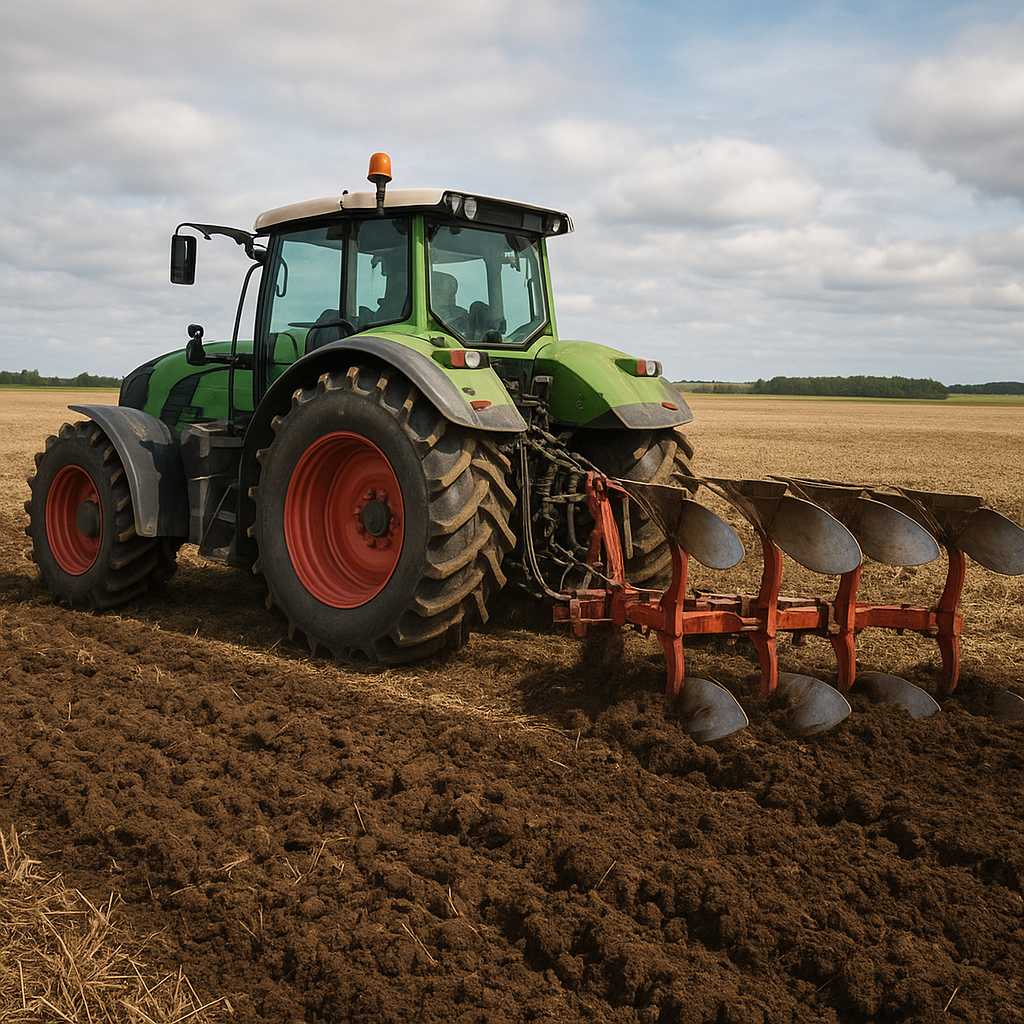
Choosing the right tractor attachments can transform your fields into fertile, well-tilled ground ready for planting. As farming demands increase, equipping your tractor with the most suitable tools becomes a top priority. This article explores the best implements, offers practical plowing tips, and highlights key factors to enhance efficiency and soil health.
Essential Tractor Attachments for Efficient Plowing
Plow Blades and Moldboard Plows
Moldboard plows remain a cornerstone of conventional tillage thanks to their ability to completely invert topsoil. They deliver uniform furrows and excellent weed control. When selecting moldboard plow blades, consider:
- Blade width and curvature for optimal soil turnover
- Material composition—hardened steel boosts durability
- Interchangeable bottoms to adapt to varying ground conditions
Disc Harrows and Offset Discs
Disc harrows provide aggressive soil slicing and a finer seedbed finish. Their notched or wavy discs cut residues and reduce clods. Key points:
- Adjust disc gangs to control penetration depth
- Use heavier weights or ballast to improve traction
- Check alignment regularly to ensure straight, consistent passes
Subsoilers and Rippers
Compacted subsoil layers limit root growth and water infiltration. A robust subsoiler attachment breaks hardpan and encourages deeper root penetration. Benefits include:
- Reduced surface runoff and improved drainage
- Enhanced nutrient uptake by loosening deep layers
- Reduced soil compaction for healthier crop development
Rotary Tillers and Cultivators
For a finely pulverized seedbed, rotary tillers excel in blending organic matter and leveling soil. Cultivators, on the other hand, are ideal for inter-row weed control and gentle aeration:
- Match tine patterns to soil types for uniform depth
- Ensure proper PTO speed for optimal rotation and power transfer
- Monitor wear on blades and tines to maintain performance
Plowing Tips for Optimal Soil Preparation
Evaluate Soil Moisture and Texture
Plowing at improper moisture levels can lead to clod formation or smearing. Follow these guidelines:
- Perform a simple squeeze test—soil should barely stick to your hand
- Adjust tillage timing after rainfall or irrigation to avoid bogging down the tractor
- Use soil probes to gauge moisture consistency across fields
Calibrate Plow Depth and Angle
Uniform depth and angle settings ensure consistent furrow quality. To optimize these settings:
- Start with a shallower pass, then gradually increase depth until you hit the desired soil layer
- Adjust the plow beam angle to match forward speed and reduce slippage
- Use tractor wheel ballast or front-end weights to maintain balance
Maintain Straight Furrows
Accurate straight lines enhance field efficiency and reduce overlap. Tips for straight-trenching:
- Use GPS guidance systems or laser levels for precise alignment
- Implement wheel markers to guide the tractor along previous tracks
- Inspect hitch connections and drawbar settings to eliminate drift
Optimize Field Pass Sequences
A well-planned pass sequence saves fuel and reduces soil disturbance. Consider:
- Working from perimeter to center to manage field edges
- Minimizing headland turns by alternating pass directions each session
- Grouping implements logically (e.g., plow followed by harrow) to streamline operations
Maintenance and Safety Considerations
Regular Inspection and Lubrication
Preventative maintenance keeps implements functioning at peak performance and prolongs lifespan:
- Grease pivot points and bearings following manufacturer intervals
- Inspect discs, blades, and tines for cracks, bends, or excessive wear
- Check hydraulic hoses and fittings for leaks or abrasion
Safe Hitching and Unhitching Procedures
Proper attachment handling protects both operator and equipment:
- Always engage the tractor’s parking brake before hitching
- Use safety chains and locking pins on three-point hitches
- Follow recommended lifting capacities and avoid overloading the hitch
Operator Training and Awareness
Knowledgeable operators reduce downtime and accidents:
- Train staff on tractor controls, attachment adjustments, and emergency stops
- Equip cabs with roll-over protection structures and seatbelts
- Display clear signage for hazard zones and blind spots
Advanced Techniques and Seasonal Adjustments
Variable Depth Plowing
Modern tractors offer hydraulic depth control for on-the-go adjustments. Benefits include:
- Real-time soil condition adaptation across varied terrain
- Reduced fuel consumption by avoiding unnecessary deep passes
- Customized seedbed profiles to match specific crop needs
Cover Cropping and Residue Management
Integrating cover crops into your rotation preserves soil structure and organic content:
- Use shallow disks or specialized rollers to terminate cover crops before primary tillage
- Adjust plow settings to incorporate residue without clogging
- Combine residue management with nutrient placement for maximum crop benefit
Seasonal Tillage Strategies
Adapt plowing routines as weather and field conditions change:
- Spring: Focus on breaking frozen or compacted ground with aggressive attachments
- Summer: Employ lighter cultivators to preserve moisture and reduce evaporation
- Fall: Utilize deep subsoiling to alleviate compaction and prepare for cover crops
By carefully selecting the right attachments, fine-tuning your plowing approach, and adhering to maintenance best practices, you can significantly boost overall farm efficiency, improve soil health, and ensure recurring high yields. Investing time in understanding each component’s role will reward you with years of reliable performance and robust crop stands.