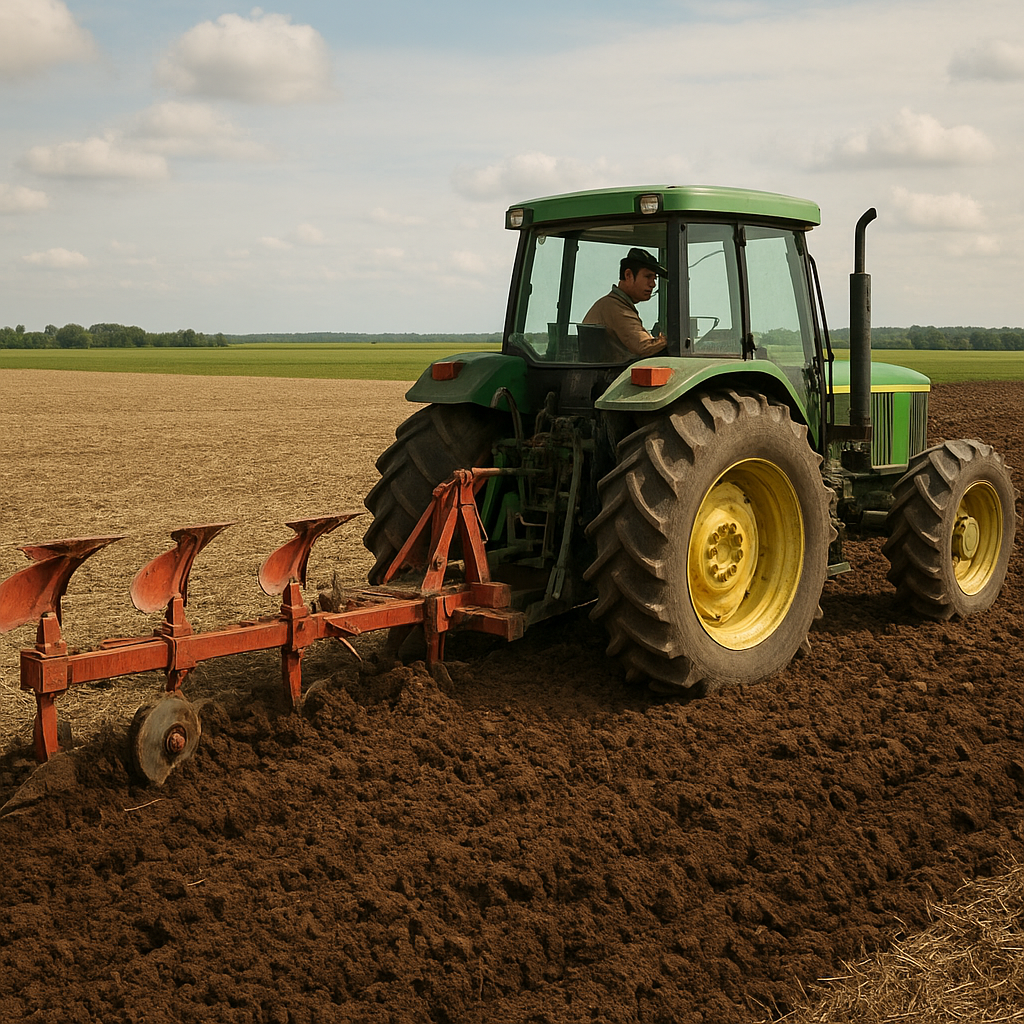
Effective agricultural operations hinge on understanding the balance between the costs of plowing and the returns it generates. This discussion explores best practices, strategic investments, and techniques that can drive profitability by optimizing plowing activities. By examining key factors like equipment selection, soil management, and labor efficiency, farmers can make informed decisions that enhance both short-term yields and long-term sustainability.
Understanding Plowing Economics
Plowing represents one of the most fundamental soil cultivation practices, with a direct impact on crop performance and soil health. While it may seem straightforward, the decision to plow—and how deeply and frequently to do so—involves multiple economic considerations:
- Equipment Capital: The initial purchase or lease of tractors and plows demands significant investment.
- Fuel and Maintenance: Operating heavy machinery drives up fuel bills, and regular upkeep is vital to prevent costly breakdowns.
- Labor Costs: Skilled operators command higher wages, influencing overall operational budgets.
- Soil Productivity: Proper plowing enhances nutrient availability and water infiltration, boosting crop yields.
- Environmental Impact: Overplowing can degrade soil structure, leading to erosion and reduced long-term returns.
To navigate these complex trade-offs, farmers must adopt data-driven strategies, aligning plowing frequency and depth with both crop requirements and budgetary constraints.
Key Factors Influencing Costs
1. Equipment Selection and Depreciation
Choosing the right machinery is crucial. High-capacity tractors and multi-furrow plows lower the time required per hectare but come with higher purchase prices. Consider the following:
- New vs. Used Equipment: New machines boast warranties and advanced features, yet used equipment offers lower upfront expenditure.
- Depreciation Schedules: Understanding how asset value decreases over time helps calculate annual plowing costs more accurately.
- Financing Options: Leasing may reduce immediate outlays, while loans spread payments but accrue interest.
2. Fuel Efficiency and Operational Hours
Fuel accounts for a substantial portion of variable costs. Optimizing fuel consumption can yield meaningful savings:
- Engine Calibration: Regularly tune engines for optimal performance, avoiding wasted fuel due to inefficient combustion.
- GPS Guidance Systems: Minimize overlap between passes, ensuring every liter of diesel contributes to productive fieldwork.
- Work Scheduling: Align plowing tasks with cooler parts of the day to maintain engine efficiency and reduce downtime.
3. Labor Management
Efficient labor allocation enhances cost-control efforts. Key strategies include:
- Training Programs: Skilled workers operate machinery faster and with fewer errors, reducing wasted fuel and wear.
- Time Tracking: Use digital tools to monitor hours spent plowing, identifying bottlenecks and productivity gaps.
- Task Rotation: Rotate duties to prevent operator fatigue and maintain high-quality work throughout extended plowing sessions.
Maximizing Returns through Efficient Practices
Beyond controlling costs, boosting returns requires targeting practices that improve crop yields and enhance soil resilience. Consider the following approaches:
1. Precision Plowing Techniques
- Variable-Depth Plowing: Adjust plow depth based on soil compaction maps to avoid unnecessary disturbance in softer areas.
- Contour Plowing: Follow natural land contours to reduce erosion, preserving topsoil for future seasons.
- Strip-Till Methods: Combine minimal tillage with banded fertilizer application, cutting fuel use and improving seedbed conditions.
2. Soil Health Management
- Cover Crops: Planting legumes or grasses between main seasons adds organic matter, reducing the need for deep plowing.
- Crop Rotation: Diversifying crop types breaks pest cycles and maintains nutrient levels, lowering long-term plowing intensity.
- Soil Testing: Regular analysis of pH and nutrient profiles guides targeted amendments, ensuring plowing only loosens compacted layers.
3. Integrating Technology
Modern farming tools foster a data-driven approach, aligning plowing activities with real-time insights:
- Remote Sensing: Use satellite imagery to detect soil moisture and compaction, planning plowing windows effectively.
- Telematics Platforms: Monitor equipment performance and maintenance schedules, reducing unplanned downtimes.
- Automated Controls: Employ auto-steer systems for precise furrow spacing, minimizing overlaps and missed strips.
Advanced Techniques and Innovations
As agriculture embraces sustainable intensification, new plowing methods and tools emerge that promise higher returns on investment:
1. Electro-Plowing and Soil Fracturing
Innovative techniques use electrically induced fractures to break compacted layers without disturbing surface residues. Benefits include:
- Reduced Mechanical Wear: Less reliance on heavy blades extends equipment lifespan.
- Minimal Surface Disturbance: Protects soil structure and organic horizons.
- Targeted Deep Loosening: Improves root penetration and water infiltration with precision placement.
2. Robotic and Autonomous Plows
Robotic tractors and attachments are reshaping plowing economics by lowering labor demands:
- 24/7 Operation: Autonomous machines work around the clock, maximizing field usage and shortening tillage windows.
- Cost Predictability: Preprogrammed routes and speeds yield consistent fuel consumption and wear rates.
- Remote Supervision: Farmers oversee multiple units from a single console, reallocating labor to higher-value tasks.
3. Integrative Soil Health Platforms
Comprehensive platforms unify data on soil biology, chemistry, and physics to guide plowing decisions:
- Microbial Analysis: Identifies zones where minimal tillage fosters beneficial organisms, reducing the need for aggressive plowing.
- Real-Time Nutrient Mapping: Syncs with variable-rate fertilizer systems to deposit amendments precisely in plowed strips.
- Digital Twins: Virtual farm models predict outcomes of different plowing strategies, optimizing returns before boots hit the ground.