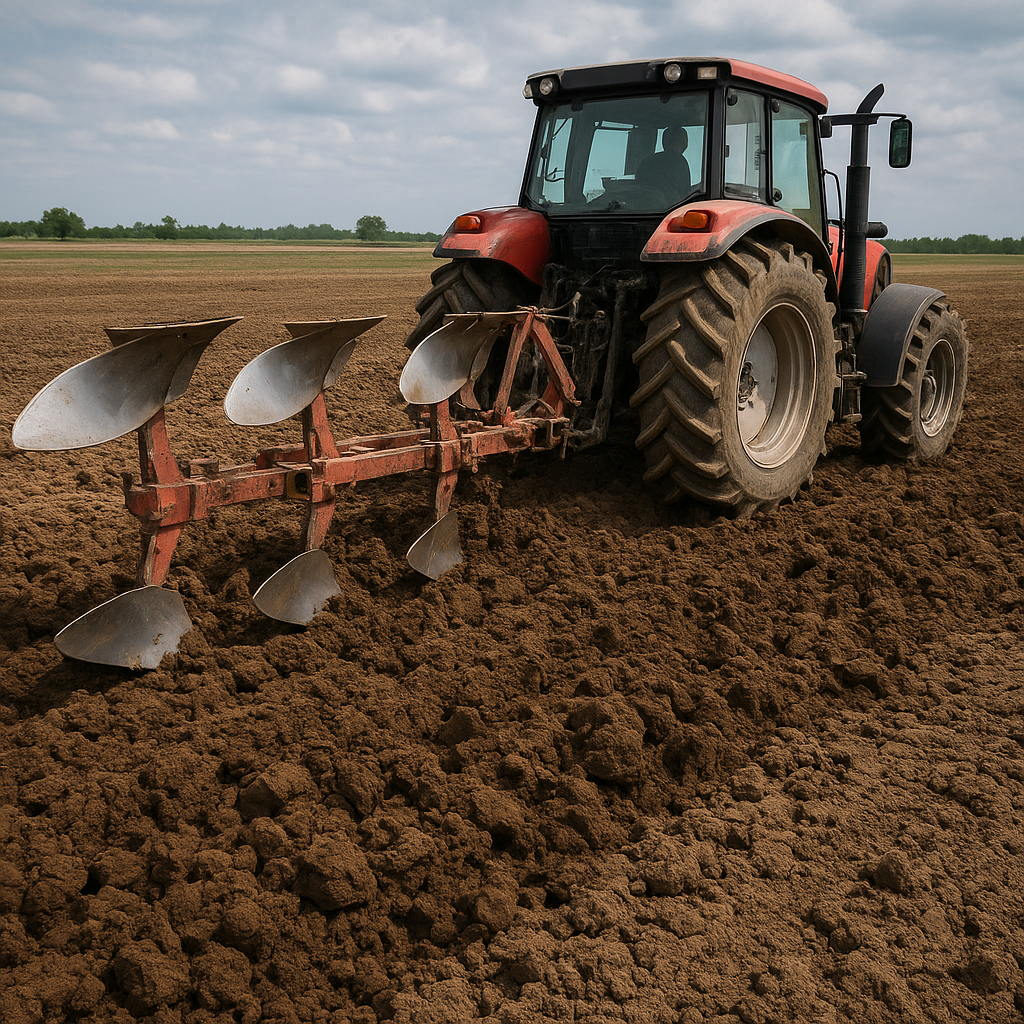
Clay soils present a unique set of challenges for farmers and gardeners alike. When handled incorrectly, heavy soils can lead to poor seed germination, restricted root growth, and accelerated erosion. However, with the right approach, you can transform dense terrain into a productive growing bed. This guide offers actionable strategies for effective plowing of tricky clay ground, focusing on soil structure, maintenance, and best practices to boost yields and preserve land health.
Preparing Your Soil for Plowing
Before engaging in any major mechanical work, a careful evaluation of your field’s condition is essential. Proper preparation helps prevent excessive compaction and sets the stage for deep root penetration and optimal water infiltration.
Assessing Moisture Levels
Clay soils can quickly become waterlogged or turn into hardened blocks if worked at the wrong moisture content. Conduct a simple squeeze test: grab a handful of soil and apply gentle pressure. If it forms a ribbon longer than two inches or feels slimy, the tillage operation should be postponed. Waiting until the soil crumbles easily in your fist ensures you avoid creating large clods or damaging soil aggregates.
Testing for the Right Consistency
- Take several samples from 2–4 inches below the surface.
- Knead each sample in your hand until it becomes pliable.
- Observe whether the soil breaks apart under mild pressure.
- Proceed only when you achieve a crumbly, non-sticky texture.
Additionally, conducting a pH and nutrient analysis can guide your amendments. Incorporate lime or gypsum to improve structure and reduce acidity if test results warrant it.
Techniques for Efficient Clay Soil Plowing
Once your field reaches ideal consistency, selecting the proper method and timing of plowing is critical. These techniques help break through heavy layers without exacerbating erosion risks.
Timing Your Operation
Plan to plow shortly after a light rainfall or irrigation event. This slightly moist window allows the plow to penetrate evenly, rather than skidding over dry lumps or bogging down in wet patches. Early-season passes should be shallower, around 4–6 inches, to open up the soil. Final deep plowing can follow once the surface cracks and dries marginally, reaching depths of 8–10 inches.
Choosing a Plowing Pattern
- Contour Plowing: Align furrows along elevation contours to curb runoff.
- Strip Plowing: Alternate between narrow plowed and unplowed strips to trap sediment.
- Cross-Plowing: Turn at right angles after the first pass to create finer tilth.
Adopting these patterns not only improves moisture retention and root access but also enhances field resilience against heavy storms.
Equipment and Maintenance for Clay Soil
Well-maintained equipment and proper attachments are indispensable when tackling challenging soil types. Understanding your tractor’s capabilities and selecting the right plow design can make or break your operation.
Selecting the Right Plow
- Moldboard Plows: Ideal for inversion tillage but require more horsepower.
- Chisel Plows: Loosen deep layers without complete inversion, reducing erosion.
- Disc Plows: Cut through sticky clay but may leave rough clods.
For heavy clay, a chisel plow with adjustable shank spacing often offers the best balance of penetration and residue mixing. Tractor traction must match plow demands—consider dual wheels or tracks to distribute weight and avoid sinking.
Maintaining Sharpness and Alignment
Routine inspections of share points, coulters, and skimmers are crucial. Dull or misaligned parts increase draft force, elevating fuel costs and strain on machinery. Keep a log of hours in the field and perform edge grinding or replacement at recommended intervals. Verify hitch alignment daily to ensure even depth across all shanks or bottoms.
Post-Plowing Soil Management
After the primary tillage, follow-up practices help lock in benefits and lay the groundwork for planting success.
Incorporating Organic Matter
Immediately after plowing, spread high-carbon amendments to boost soil life and improve aggregate stability. Options include:
- Composted manure or poultry litter
- Cover crop residues such as rye or clover
- Green manures like buckwheat or vetch
These additions feed microorganisms that create natural binding agents between clay particles, increasing porosity and reducing surface crusting.
Regular Soil Testing and Monitoring
Plan to retest your field every 2–3 years. Track changes in nutrient levels, organic carbon content, and bulk density. If compaction readings exceed 1.5 g/cm³ below the tilled layer, consider targeted subsoiling to restore deep-root pathways. Consistency in monitoring helps you adjust rotational crops, amendment rates, and mechanical practices to maintain an optimal growing environment.
Maintaining Long-Term Field Health
Sustainable clay soil management extends beyond a single season. Employ crop rotations that include deep-rooted plants like radishes or alfalfa to naturally fracture dense layers over time. Minimize traffic on wet ground, and use contour or buffer strips where slopes invite runoff. By integrating biological, chemical, and mechanical measures, you can convert stubborn clay into a fertile, resilient foundation for years to come.