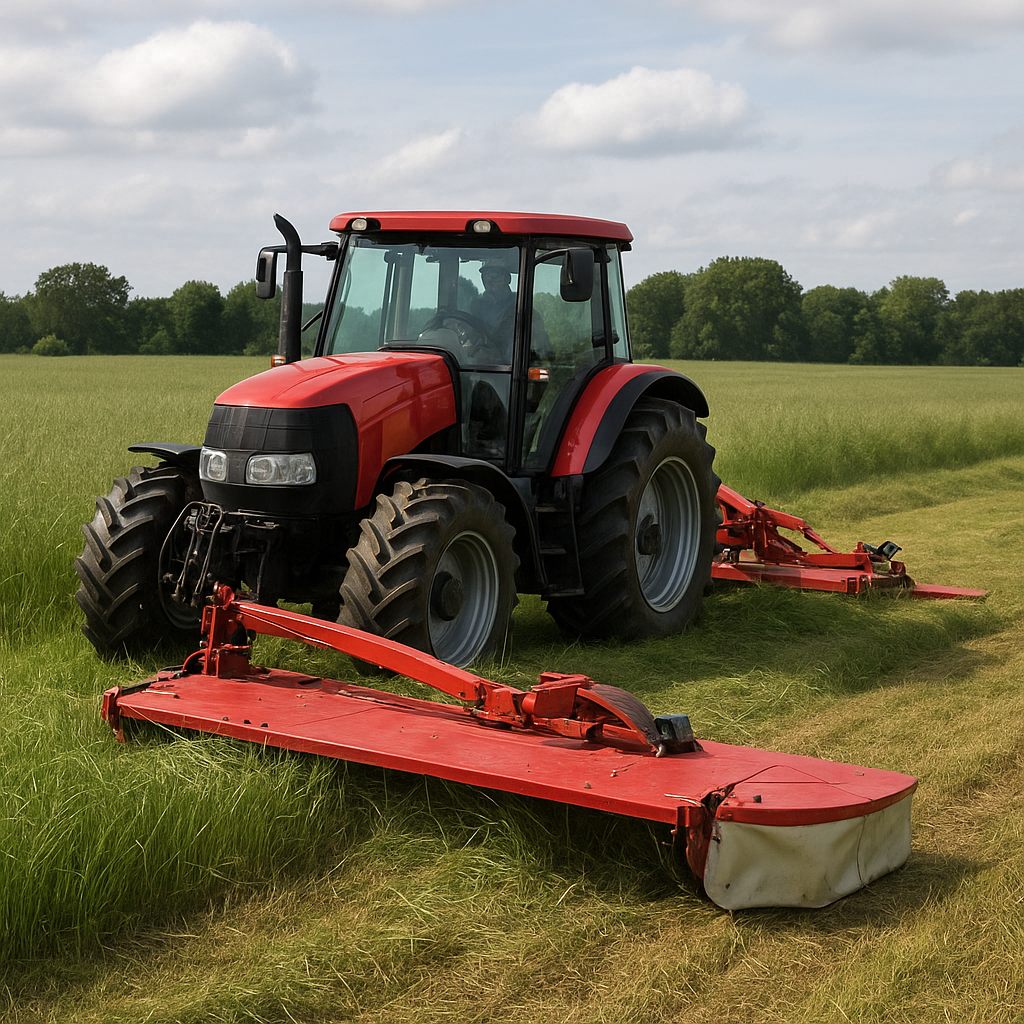
Properly balancing a tractor is essential for maximizing performance and minimizing wear. Whether you’re working on light garden plots or expansive fields, uneven weight can lead to reduced traction, increased soil stress, and higher fuel consumption. In this article, we explore practical plowing tips and techniques to ensure your equipment operates at peak performance without compromising safety or soil health.
Understanding the Challenges of Uneven Weight Distribution
When a tractor’s mass isn’t spread evenly across its axles, it affects overall stability and handling. Farmers often notice one wheel digging in while the opposite wheel rides high. This can cause:
- Reduced traction on the drive wheels
- Increased soil compaction beneath high-pressure areas
- Uneven wear on tires and transmission components
- Poor implement performance due to inconsistent draft forces
Several factors contribute to this issue. Improper hitch settings, incorrect ballast, or faulty hydraulics all play a role. A tractor pulling a heavy plow on one side will naturally tilt, forcing the operator to correct with steering inputs that waste time and fuel.
Root Causes of Imbalance
- Incorrect front-to-rear ballast ratio
- Missing or misplaced counterweights on rims or hitches
- Asymmetrical loading of mounted or towed implements
- Hydraulic leaks or uneven cylinder extension
- Worn or mismatched tires affecting ride height
Preventive Measures and Adjustments
A proactive approach to weight management can save hours in the field. Below are key strategies to achieve a balanced tractor setup:
1. Proper Ballasting Techniques
Every model of tractor has a recommended weight distribution for various tasks. Review your operator’s manual, then adjust your front and rear ballast accordingly:
- Add wheel weights to the front axle when using rear-mounted equipment
- Improve front-end grip by installing liquid or cast-iron inside front rims
- Reduce ballast on the opposite end when switching to front-mounted tools
2. Hitch Position and Leveling
Setting the three-point linkages to the correct height prevents the load from pulling on one side. Consider these steps:
- Center the drawbar and top link before engaging the plow
- Use the hydraulic top link to fine-tune the pitch of the implement
- Verify that each lift arm shares the load equally by checking for parallel alignment
3. Tire Pressure Management
Underinflated or overinflated tires can cause uneven weight transfer. Follow tire manufacturer guidelines and adjust pressures based on load:
- Keep front tires slightly higher when the front end carries heavy attachments
- Maintain consistent rear tire pressure for stable draft control
- Replace tires in matched sets to avoid differences in rolling radius
Maintenance and Operational Best Practices
Routine checks and mindful operation help maintain optimal weight balance throughout each day’s work.
Routine Inspections
- Examine hydraulic lines and connections for leaks that might affect lift height
- Inspect link arms and couplers for bending or wear, replacing worn pins promptly
- Ensure tire treads are consistent across all wheels to avoid ride height variance
Real-Time Corrections
While plowing, operators should stay vigilant. Watch for signs of drift or pull and make small adjustments on the go:
- Use front-wheel assist mode if available to balance drive effort
- Shift ballast blocks between sides when working on uneven terrain
- Lower or raise skid shoes to control the plow’s working angle
Advanced Tips for Experienced Operators
- Install load-sensing hydraulics to distribute lifting force evenly
- Fit a front-mounted weight bracket to counterbalance heavy rear implements
- Calibrate electronic draft control systems for precise downforce management
Adopting these practices will enhance operator safety, reduce downtime, and boost overall field efficiency. Proper weight distribution not only improves traction and fuel economy but also prolongs the service life of tractors and attachments, making every plowing session smoother and more productive.