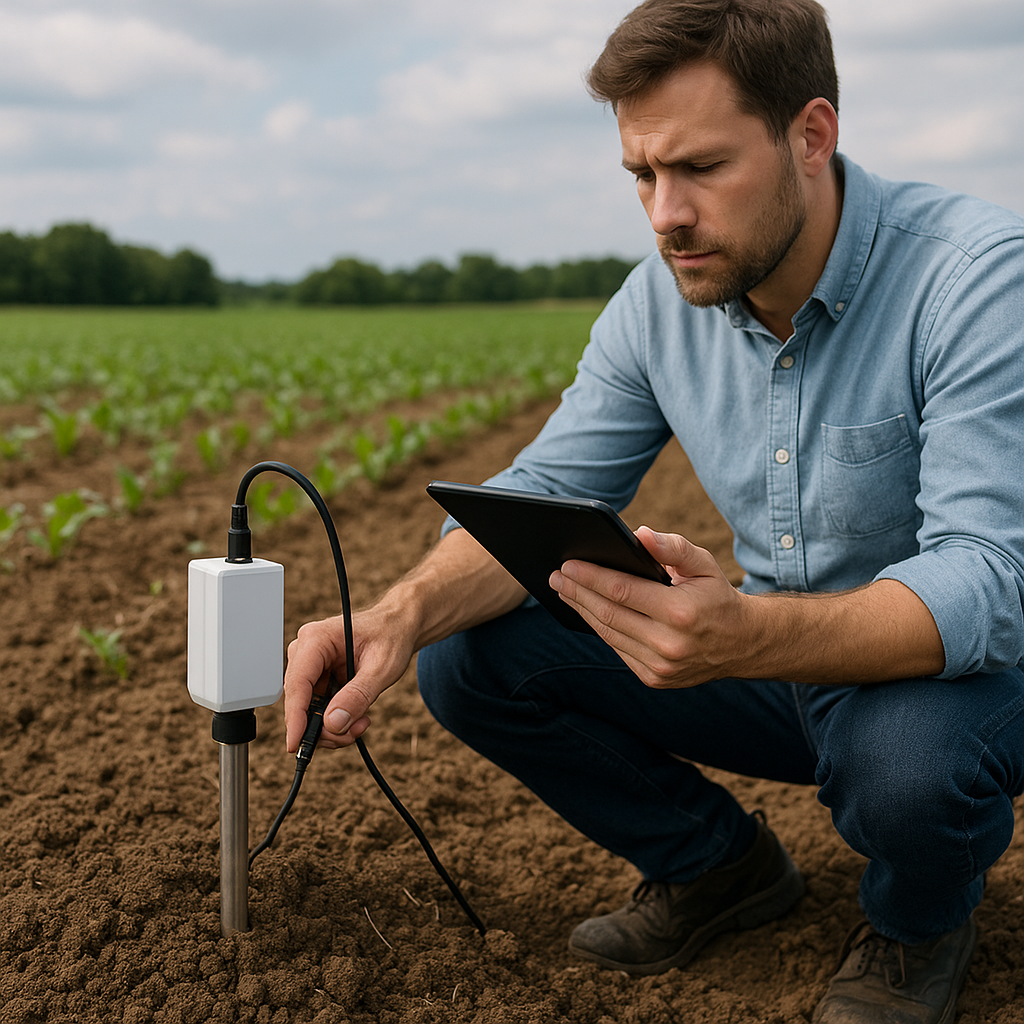
Harnessing sensor data for effective plowing can revolutionize how farmers understand and manage soil dynamics. By integrating field-ready devices, real-time analytics, and proven agricultural strategies, practitioners can achieve higher efficiency and sustainable yields.
Selecting and Installing Sensors
Accurate measurement begins with the right hardware. Soil analysis relies on a variety of sensor types, each designed to capture specific parameters. Choosing and placing these devices correctly ensures reliable data on soil structure and environmental conditions.
Key Sensor Types
- Moisture Sensors: Detect volumetric water content at different depth levels.
- Temperature Probes: Track thermal gradients affecting microbial activity.
- Electrical Conductivity Devices: Indicate nutrient concentration and salinity.
- Inclinometers and Accelerometers: Measure plow tilt and ground pressure.
Optimal Placement Strategies
Position sensors to capture representative soil zones. Follow these guidelines:
- Install moisture probes at multiple depth intervals (e.g., 5cm, 15cm, 30cm).
- Place temperature sensors both near the surface and within the plow furrow.
- Secure devices against mechanical stress; use protective casings for moving machinery.
- Combine GPS tags for location-specific calibration and mapping.
Collecting and Managing Data
Once sensors are in place, establish a robust workflow for data acquisition and storage. Effective management prevents loss and ensures seamless integration with farm management software.
Real-Time vs. Batch Collection
- Real-Time Streaming: Provides immediate feedback on soil conditions during plowing passes.
- Batch Download: Useful for long-term trend analysis when live connectivity is limited.
Data Storage Solutions
Select a platform that supports large datasets and easy retrieval. Cloud-based services often offer:
- Automated backups
- Visualization dashboards
- API integration for advanced modeling
Interpreting Soil Turnover Metrics
Transform raw readings into actionable insights. Understanding key indicators enables adjustments to plowing practices for optimal soil health and crop growth.
Turnover Rate Calculations
- Volume of soil displaced per pass (m³/m)
- Layer inversion depth consistency
- Correlation of moisture content with desired turnover zones
Analyzing Spatial Variability
Use georeferenced data to identify field heterogeneities:
- Create heatmaps of moisture and compaction levels.
- Map plow depth variance versus seedbed requirements.
- Highlight areas needing additional amendments or reduced traffic.
Optimizing Plowing Techniques
Armed with sensor-driven insights, refine plowing strategies to balance soil aeration, residue incorporation, and erosion control.
Adjusting Plow Settings
- Depth Control: Modify plow disc or share angle to maintain consistent depth.
- Speed Regulation: Calibrate tractor velocity to optimize soil cut based on moisture readings.
- Pressure Tuning: Alter hydraulic pressure for uniform soil turnover in variable conditions.
Residue Management
Channels tracked by sensors can reveal residue distribution patterns. Ensure:
- Uniform mixing of crop stubble to enhance decomposition.
- Minimized clod formation for superior seed-to-soil contact.
Advanced Strategies and Troubleshooting
Address common challenges and explore cutting-edge integrations that push precision farming to new heights.
Calibration and Maintenance
- Regularly clean sensor probes to prevent soil buildup.
- Perform calibration checks at the start of each season and after major soil condition changes.
- Replace batteries or power modules based on manufacturer guidelines to sustain continuous operation.
Integrating Machine Learning Models
Automated algorithms can analyze historical datasets to predict optimal plowing parameters before each pass. Benefits include:
- Enhanced prediction of moisture-driven compaction zones.
- Adaptive adjustments in real time for varying topography.
- Long-term trend forecasting for sustainable soil management.
Troubleshooting Common Issues
- Inconsistent Data Streams: Check connectivity and power levels to sensors.
- Erratic Readings: Inspect grounds for waterlogging or excessive debris around probes.
- Poor GPS Accuracy: Ensure proper satellite reception and antenna orientation.
Future Directions
Emerging technologies promise even greater precision in soil turnover analysis. Innovations include:
- Wireless mesh networks for seamless connectivity.
- Smart plow attachments with embedded sensors.
- Real-time nutrient sensing to dynamically adjust plow depth and residue mixing.