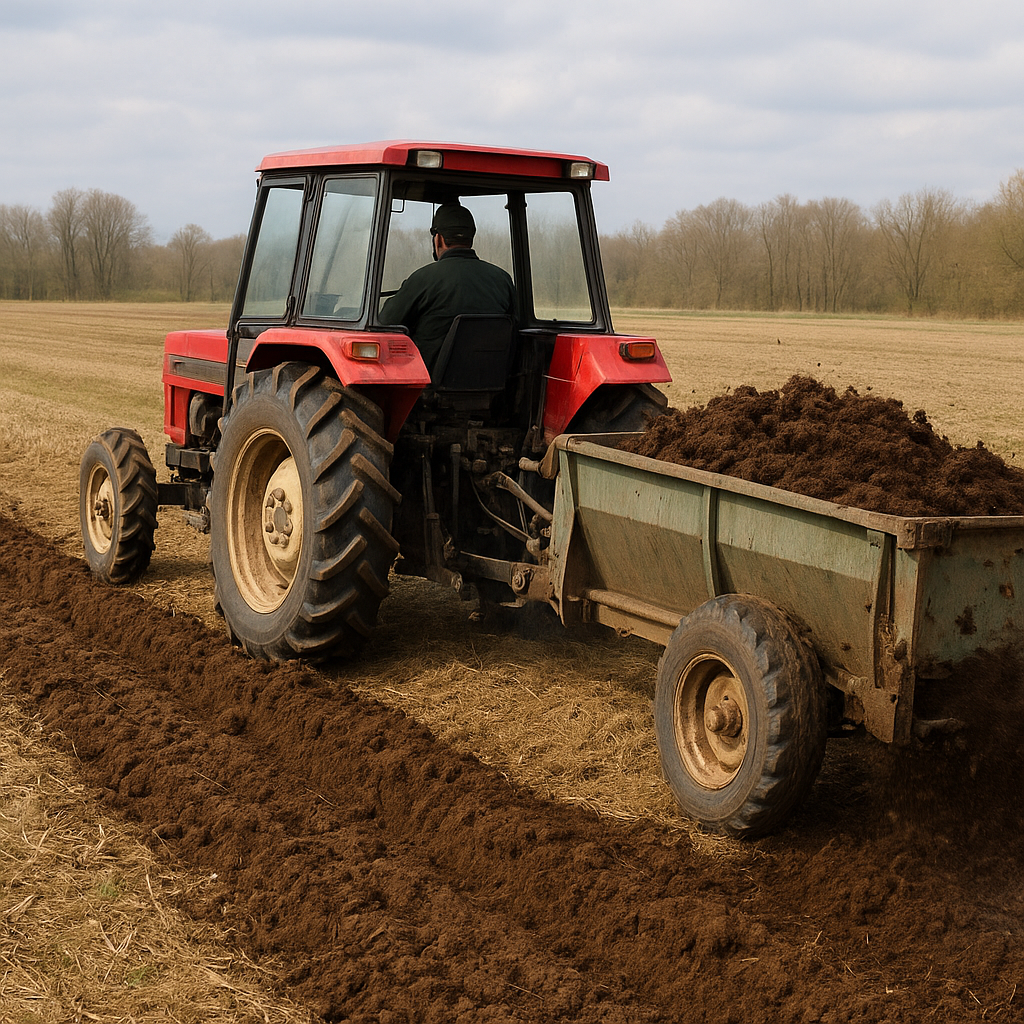
Integrating plowing with manure incorporation offers a powerful strategy to boost soil fertility, enhance structure, and maximize nutrient availability for crops. By combining these operations, farmers can reduce nutrient losses, improve water retention, and stimulate beneficial microorganisms. This article explores practical tips and best practices for merging tillage with manure management, ensuring higher yields, reduced environmental impact, and long-term sustainability.
Understanding the Benefits of Manure Incorporation during Plowing
Incorporating manure directly into the soil profile while plowing creates an optimal environment for nutrient cycling. Surface-applied manure left unincorporated often leads to ammonia volatilization, runoff, and odor issues. When properly mixed into the topsoil, organic matter decomposes more evenly, releasing nitrogen, phosphorus, and potassium over time. Key advantages include:
- Enhanced fertility through gradual mineralization of organic compounds.
- Improved moisture retention as organic residues increase water-holding capacity.
- Reduced erosion by binding soil particles with added organic matter.
- Better weed suppression since residues cover the soil surface.
- Increased microbial activity that promotes nutrient transformation and root growth.
By integrating manure into primary tillage, farmers lock valuable nutrients within the root zone and minimize losses to the atmosphere or waterways.
Equipment and Timing Considerations
Selecting the Right Tools
Successful integration requires compatible equipment. Common options include:
- Moldboard Plows: Turn the soil deeply, burying manure at a 20–25 cm depth. Ideal for breaking compacted layers.
- Chisel Plows: Offer shallower incorporation (10–15 cm) with less inversion, preserving surface residues.
- Disc Harrows: Suitable for medium incorporation depths and mixing uniformity.
- Spreaders and Injectors: Calibrated to deliver consistent manure rates before tillage passes.
Optimal Timing and Soil Conditions
Timing is crucial to reap full benefits:
- Apply manure when soil moisture is moderate—too wet soil compacts easily, too dry soil hampers mixing.
- Incorporate within 24 hours of spreading to reduce ammonia volatilization and odor release.
- Avoid working soil when flooding or heavy rainfall is forecast to prevent runoff.
- Early spring or fall operations often align with field schedules and moisture targets.
Choosing the right window also minimizes fuel consumption by avoiding repeated passes.
Techniques for Effective Manure Distribution and Plowing Depth
A uniform spread and consistent plow depth ensure each part of the field receives adequate nutrients.
Distribution Methods
- Broadcast Spreading: Covers large areas quickly but requires thorough mixing to prevent nutrient hotspots.
- Banding: Places manure in concentrated strips, reducing total volume needed and facilitating targeted application for row crops.
Optimizing Plowing Depth
Adjust depth based on soil type and crop needs:
- 15–20 cm for small grains and legumes to ensure root access to nutrients.
- 20–25 cm for corn or deep-rooted crops, promoting deeper root development.
- Shallower incorporation in sandy soils to retain organic matter near the surface.
Always check tractor hydraulics and implement settings to maintain a uniform depth across varied terrain.
Enhancing Soil Health and Nutrient Management
Beyond immediate nutrient supply, incorporated manure fosters long-term soil resilience. Key practices include:
- Regularly test soil and manure for nutrient content and adjust application rates accordingly.
- Rotate manure sources (e.g., poultry, cattle, swine) to balance micronutrient inputs.
- Combine with cover crops to capture residual nutrients and reduce off-season erosion.
- Monitor soil pH and amend with lime or sulfur to maintain optimum aeration and microbial function.
Integrating organic amendments stimulates beneficial organisms that cycle organic matter into plant-available forms.
Monitoring, Environmental Safeguards, and Economic Impacts
While the agronomic benefits are clear, responsible management ensures minimal environmental footprint and positive economic returns.
Environmental Best Practices
- Maintain buffer zones near waterways to prevent nutrient runoff.
- Employ precision mapping to avoid over-application in sensitive areas.
- Track application dates and rates to comply with regulations and reduce liability.
Economic Considerations
- Reduced synthetic fertilizer costs as manure supplies essential nutrients.
- Improved yield stability through better moisture management and nutrient buffering.
- Potential income from carbon credits or conservation program incentives.
- Lower fuel and labor expenses by combining two operations into a single pass.
Optimizing equipment use and field logistics delivers measurable savings and a stronger return on investment.
Advanced Tips for Continuous Improvement
Long-term success depends on iterative adjustments:
- Keep detailed records of tillage passes, manure quality, and crop performance.
- Use yield monitors and soil sensors to refine application maps over time.
- Attend field days and collaborate with agronomists to learn emerging techniques.
- Explore composting options for more stable nutrient release and pathogen reduction.
By systematically evaluating results, growers can fine-tune their integrated plowing and manure incorporation strategy for maximum efficiency and environmental stewardship.