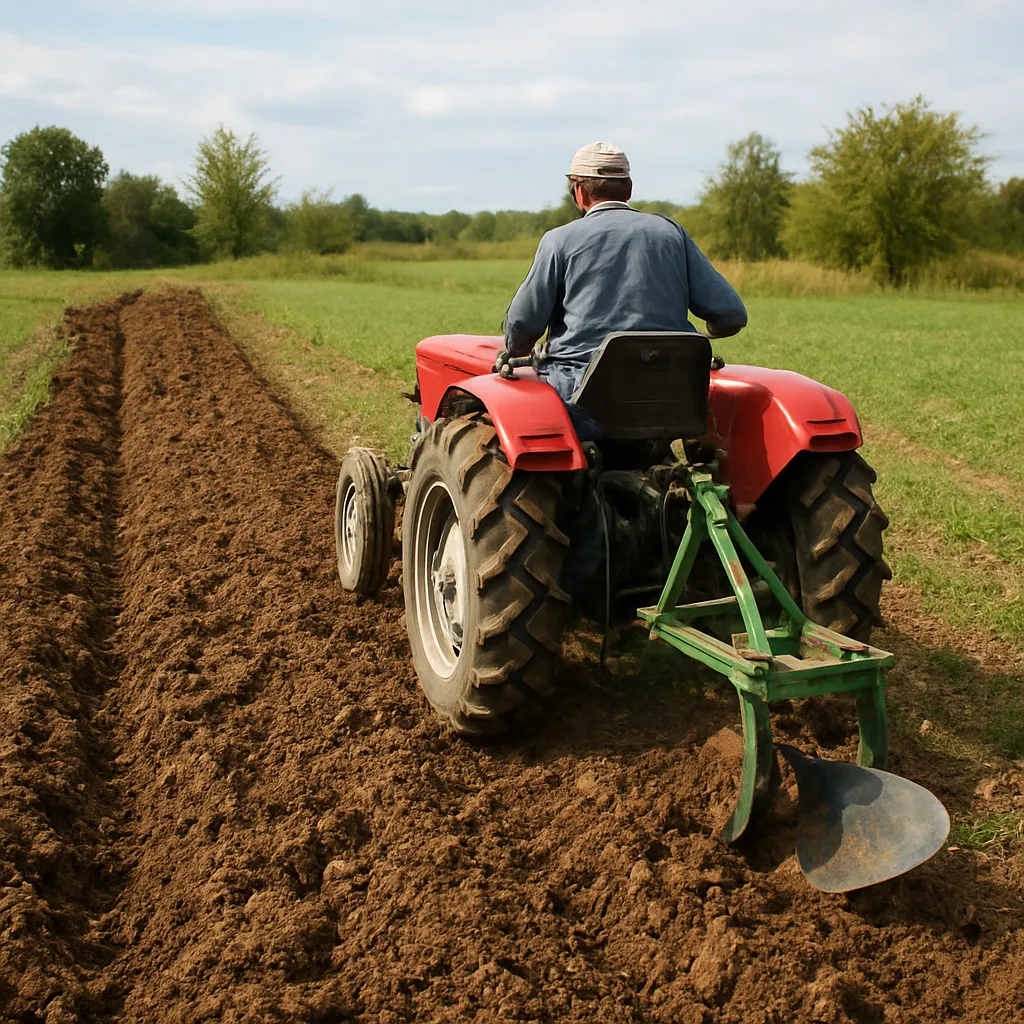
Improving plowing performance on small fields requires a blend of practical know-how, thoughtful planning, and the right tools. Whether you work a backyard plot or a few acres of hilly terrain, small-scale plowing calls for precision and attention to detail. This article explores proven strategies to boost efficiency, protect soil structure, and maximize yield potential without overextending resources.
Choosing the Ideal Plow Configuration
Matching Plow Size to Tractor Power
Selecting a plow that complements your tractor’s horsepower is essential for balance and fuel economy. Overloading the engine causes slippage, increased wear, and wasted time. Conversely, using a plow that’s too small forces you to make extra passes, reducing overall productivity. Examine the manufacturer’s guidelines to find an optimal match. Key factors include:
- Number of furrows—more furrows increase draft requirements.
- Plow weight—heavier models demand more traction but can dig deeper.
- Tractor stability—ensure your machine’s axle weight supports the plow load.
Adjustable Depth and Width Settings
Small fields often contain variable soil conditions from patchy clay to loose topsoil. An adjustable plow that allows you to fine-tune depth and width gives you the adaptability needed to handle these transitions. Before each session, test a few lines at different depths to see how the soil responds. Aim for the shallowest effective depth that accomplishes weed control and residue burial. Doing so helps maintain soil porosity and reduces the risk of compaction.
Refining Plowing Techniques for Better Results
Steady Pace and Overlap Management
Maintaining a consistent driving speed is crucial. Accelerating on peaks and braking in furrows creates uneven cuts and stress on your equipment. A GPS-assisted guidance system can help keep your passes straight and evenly spaced, ensuring every strip of soil gets equal treatment. Aim for 90–95% coverage with each overlap to avoid missing strips or tram lines. If GPS isn’t available, use clear ground reference points like fence lines or stakes to guide your path.
Turning Strategies
Efficient turning at the end of each row saves time and reduces wear on both tractor and plow. Instead of abrupt three-point turns, consider using headlands—wider sections at the edge of the field designed specifically for turning. Use the following approach:
- Lift the plow slightly before entering the headland.
- Keep throttle steady to maintain traction in softer soil.
- Use minimal steering corrections to avoid creating undesired ridges.
Practicing smooth turns lessens the chance of shearing bolts or bending moldboards, key to maintaining longevity.
Enhancing Soil Health and Structure
Crop Rotation Impact
Integrating plowing into a thoughtful crop rotation cycle can improve nutrient uptake and reduce pest pressure. Rotating deep-rooted crops, such as alfalfa or sunflowers, with shallow-rooted species helps break up compacted layers naturally. This practice supports nutrient cycling and can reduce long-term reliance on chemical amendments. When planning rotations, consider legumes that fix nitrogen and cereals that scavenge phosphorus deep in the soil profile.
Cover Crops and Residue Management
Leaving crop residues on the surface during off-seasons protects against erosion and maintains organic matter. Before plowing, evaluate residue levels and decide whether you need a disc harrow or roller to cut through stalks. Incorporating cover crops like clover, ryegrass, or mustard not only shields the soil but also adds organic matter when tilled under. This practice enhances microbial activity and improves water infiltration, critical for small fields that may dry out quickly under direct sun.
Routine Maintenance for Long-Lasting Performance
Inspection of Wear Points
Frequent inspection of share points, moldboards, and shin plates helps you catch early signs of wear before they escalate into costly breakdowns. Look for:
- Excessive thinning of metal on cutting edges.
- Cracks or stress fractures in welds and supports.
- Unusual vibrations indicating bent components.
Replacing or rotating these parts promptly preserves calibration and cutting precision.
Lubrication and Adjustments
Regular lubrication of pivot points and hydraulic cylinder pins reduces friction and prevents seizure. Check the plow’s manual for recommended grease intervals. Additionally, verify the alignment of gauge wheels and the plow beam to keep furrow depth uniform across all bottoms. Minor adjustments can save hours of labor and ensure each pass remains effective.
Advanced Considerations for Small-Scale Operators
Soil Moisture Monitoring
Plowing too wet can cause cloddy plug formation and destroy structure, while too dry soil may produce powdery, wind-prone surfaces. Use a simple soil moisture probe to find the optimal window when moisture levels lie between 60–70% of field capacity. At this range, soil crumbles cleanly without sticking.
Integrating Precision Tools
Although small fields often run on tighter budgets, investing in basic precision equipment can pay dividends. A furrow marker or smartphone guidance app can cut down on skipped strips and reduce fuel consumption. For those working rocky soils, adding an anti-stone protection package—spring-loaded trip systems on plow legs—minimizes downtime when hitting obstructions.
Working with Sloped Terrain
Slopes introduce runoff risks and uneven draft loads. Plow along the contour lines rather than straight up and down hills. Contour plowing helps slow water flow, reducing soil loss and keeping the furrow open for planting. Adjust plow angle to maintain balance when traversing mild inclines.