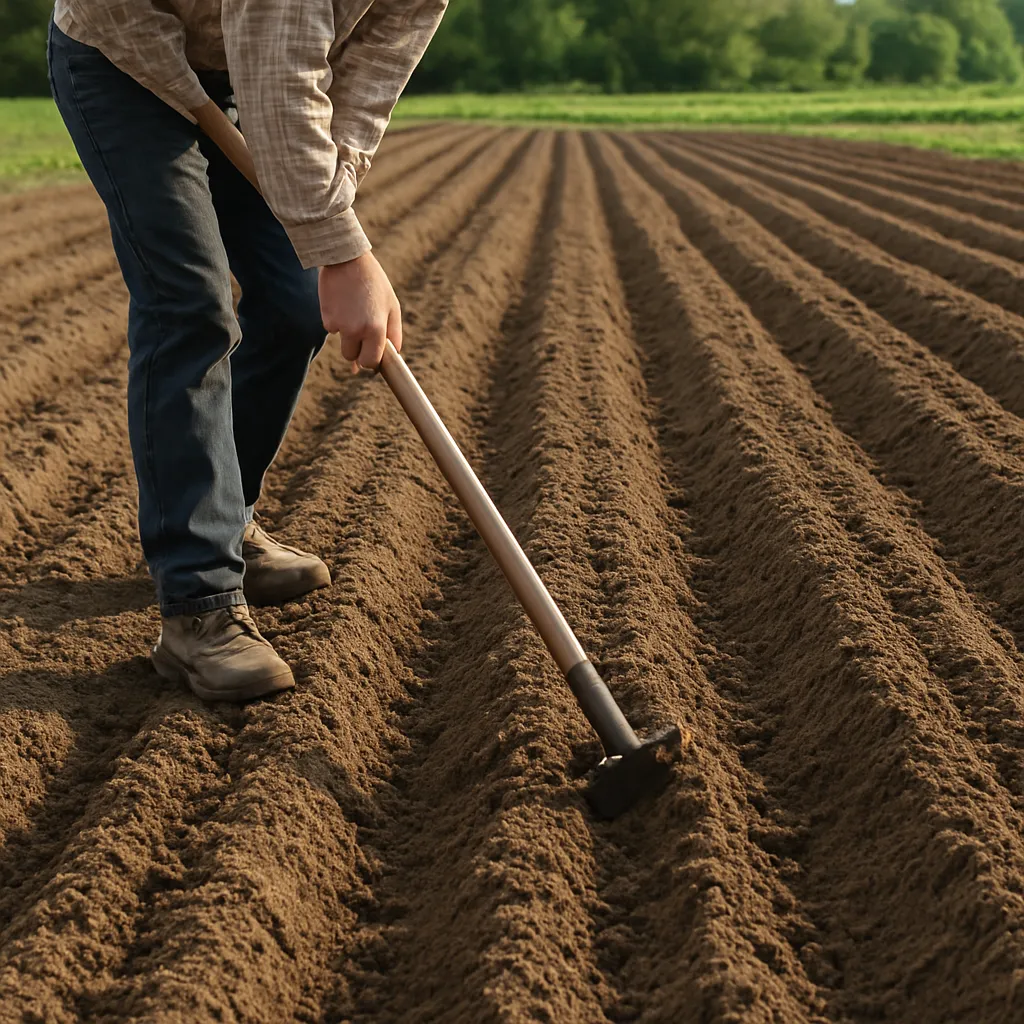
Maintaining an even plowing depth across multiple furrows is a critical factor in achieving optimal soil preparation, promoting uniform seed germination, and reducing wear on your equipment. By focusing on proper machinery setup, evaluating soil conditions, refining operator techniques, and conducting routine maintenance, you can ensure that each furrow is turned at the same depth. This comprehensive guide offers practical tips and strategies to help farmers and operators perfect their plowing performance.
Machinery Setup for Consistent Furrow Depth
Before you start plowing, it’s essential to verify that your equipment is correctly configured. Small misalignments or overlooked components can lead to uneven furrow depths.
Plow Alignment and Hitching
- Ensure the plow is level from front to back and side to side. Use a spirit level or built-in markers for accurate readings.
- Check that the tractor’s three-point hitch is adjusted so that the plow runs parallel to the tractor’s rear axle.
- Calibration: Measure the distance from the plow beam to the ground on both sides; these distances should match within a few millimeters.
Depth Gauge and Hydraulic Controls
- Install or inspect the depth gauge wheel to ensure it rotates freely and maintains continuous contact with the soil surface.
- Verify hydraulic cylinders for leaks or slow response times. Replace worn seals to prevent drifting of the plow’s depth during operation.
- Practice gradual adjustments of the hydraulic control valve to avoid sudden changes in plow height that can disrupt furrow consistency.
Blade and Share Inspection
- Examine the plowshare and moldboard for excessive wear or damage. Worn shares can increase draft and cause the plow to ride higher.
- Sharpen or replace blades periodically to maintain smooth soil cutting and reduce variability in furrow depth.
Assessing and Preparing Soil Conditions
Soil characteristics have a significant impact on depth consistency. Properly evaluating and preparing the field will help your equipment perform at its best.
Soil Moisture and Texture
- Soil moisture should be at an optimal level—not too wet, which can clog the plow, and not too dry, which can increase draft and cause ride fluctuations.
- Test the soil texture across different sections of the field. Variations in clay, silt, or sand content can affect plow penetration.
Residue Management
- Remove large debris or excess crop residue with a rake or rotary harrow. Even distribution of residue reduces chances of plow bounce.
- Consider a flail mower for heavy vegetation; this pre-cutting step ensures that the plow doesn’t encounter unexpected resistance.
Field Topography and Contouring
- Map the field’s topography and divide it into zones based on slope and elevation. Adjust plow settings for each zone to maintain uniform depth.
- When working on slopes, angle the plow correctly to prevent soil from sliding and altering furrow depth.
Operator Techniques and Best Practices
Even with top-notch equipment and well-prepared soil, the operator’s actions play a vital role in maintaining uniform plow depth.
Speed and Consistency
- Maintain a steady tractor speed. Sudden acceleration or deceleration can lift or plunge the plow into the ground.
- Use the tractor’s cruise control or a GPS-guided system to help stabilize forward motion across all furrows.
Straight Line Control
- Align the tractor wheels in the previous furrow to guide the plow. This minimizes side-to-side drift.
- Employ auto-steering technology for precise row guidance, ensuring every furrow is parallel and depth remains uniform.
Monitoring and Adjustments on the Go
- Regularly glance at furrow depth as you progress. If you notice a deviation, make small hydraulic adjustments immediately.
- Stop at the end of each pass to verify the settings, alignment, and gauge wheel position.
Routine Maintenance and Periodic Checks
Scheduled maintenance reduces variability in plow depth by keeping all components in prime condition.
Lubrication and Wear Replacement
- Lubricate pivot points, slide bars, and hydraulic fittings to prevent sticking and ensure smooth movements.
- Inspect wear plates, landsides, and moldboards for erosion. Replace them when their thickness falls below manufacturer specifications.
Tire Pressure and Traction
- Check tractor tire pressure before each plowing session. Uneven pressure can cause the tractor to lean, affecting plow depth.
- Consider dual wheels or tracks on soft soils to improve traction and maintain a level draft.
Hydraulic System Service
- Change hydraulic oil and filters as recommended. Contaminated fluid can lead to erratic cylinder movement.
- Test system pressure and flow rate periodically to confirm the hydraulic pump is operating within specifications.
Advanced Techniques and Innovations
Adopting new technologies and methods can elevate your ability to maintain precise furrow depths.
GPS and Sensor Integration
- Install depth sensors on each plow body to automatically adjust hydraulics in real time.
- Connect GPS guidance with auto-tilt or auto-height systems for seamless control over every furrow.
Variable Depth Plowing
- Use variable depth controllers when soil conditions change across a field. Pre-program depth zones and let the system adjust on the go.
- Monitor data logs to analyze where adjustments were made, and refine your approach for future sessions.
Alternative Plowing Methods
- Consider strip tillage or ridge tillage for specific crops to concentrate tillage in controlled strips, making depth management easier.
- Explore reversible plows for better moldboard performance and consistent furrow shape on return passes.