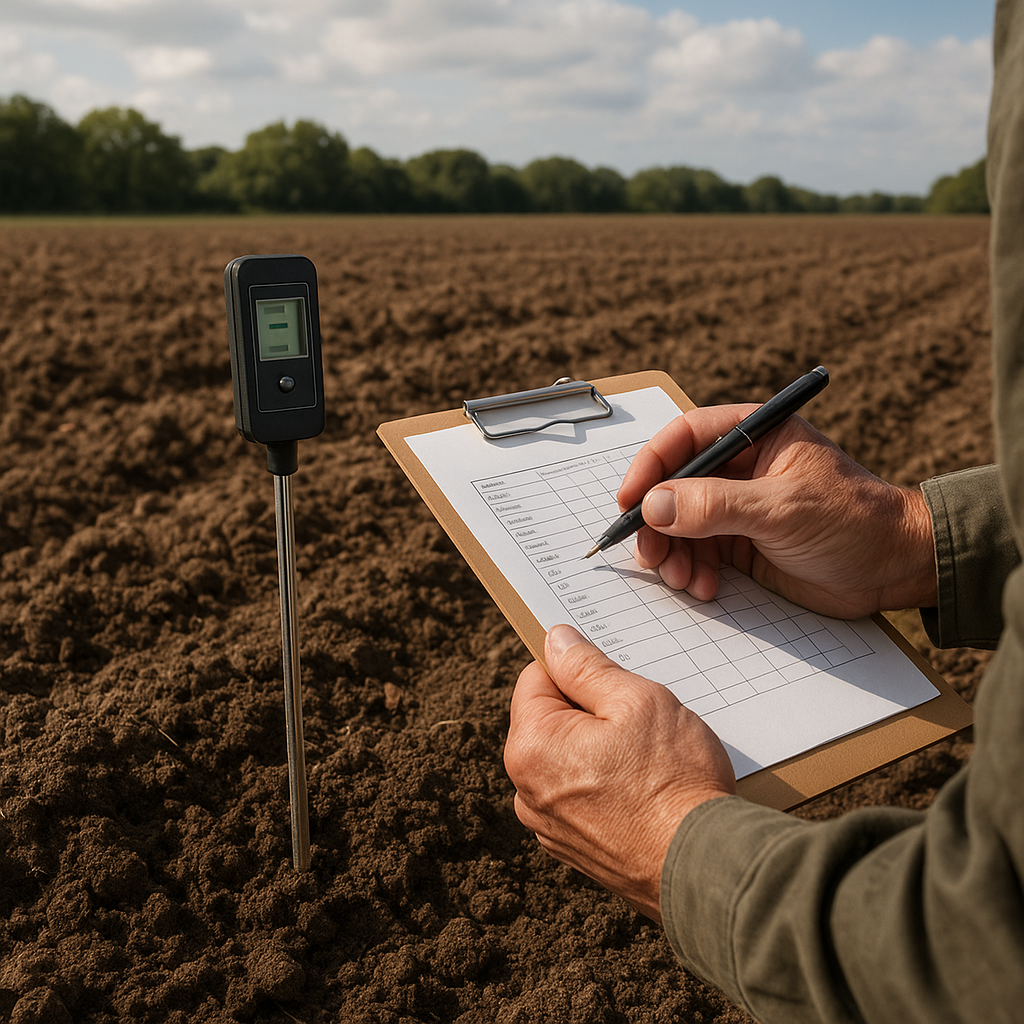
Maintaining robust soil health after plowing is essential for sustainable crop production and long-term field productivity. Proper monitoring enables farmers to detect early signs of degradation, tailor management practices, and foster a resilient ecosystem. This article explores practical strategies to assess, track, and improve soil health following plow operations, emphasizing key parameters and actionable techniques.
Assessing Baseline Soil Conditions
Before implementing monitoring routines, establishing a clear baseline is crucial. Detailed initial assessments inform future comparisons, helping identify changes in soil quality over time.
Physical Properties
- Compaction: Use a penetrometer to measure bulk density and resistance. Compacted layers hinder root growth and decrease water infiltration.
- Texture: Analyze proportions of sand, silt, and clay. Texture influences water-holding capacity, aeration, and nutrient availability.
- Aggregate Stability: Crumble tests gauge how well soil clumps remain intact under moisture, indicating resilience against erosion.
Chemical Properties
- pH: Affects nutrient availability and microbial activity. Most crops thrive in a pH range of 6.0–7.5.
- Nutrient Content: Quantify macronutrients (N, P, K) and secondary elements (Ca, Mg, S). Imbalances can limit plant growth.
- Electrical Conductivity (EC): Reflects salinity levels that can stress plants and soil life.
Biological Indicators
- Microbial Activity: Soil respiration tests estimate CO₂ evolution, revealing overall biological vigor.
- Earthworm Counts: Indicators of soil structure improvement and organic matter decomposition.
- Enzyme Assays: Phosphatase and dehydrogenase activities reflect nutrient cycling efficiency.
Implementing Regular Monitoring Techniques
Consistent monitoring allows for early detection of issues and real-time adjustments in management practices. Schedule assessments at key intervals: immediately after plowing, mid-season, and post-harvest.
Soil Sampling Protocols
- Grid Sampling: Divide the field into equal-sized cells (e.g., 1–2 hectares) to capture spatial variability.
- Depth Consistency: Collect samples from standardized depths (0–15 cm for topsoil, 15–30 cm for subsoil).
- Composite Samples: Combine 15–20 subsamples per grid to create a representative sample.
In-field Testing Tools
- pH Meters and Test Strips: Provide immediate pH readings.
- Handheld EC Sensors: Allow quick salinity checks in the field.
- On-site Colorimetric Kits: Evaluate nitrate and phosphate concentrations within minutes.
Laboratory Analysis
- Comprehensive Nutrient Panels: Include micronutrients (Fe, Mn, Zn, Cu) and organic matter content.
- Soil Organic Carbon (SOC) Tests: Indicate long-term carbon sequestration trends.
- Biotic Assays: Microbial biomass carbon and nitrogen provide deeper insights into biological function.
Interpreting Results for Continuous Improvement
Data interpretation transforms raw numbers into actionable insights. Focus on trends rather than isolated values.
Data Analysis
- Comparative Charts: Track changes in key indicators (pH, organic matter, compaction) over multiple seasons.
- Threshold Exceedances: Identify when parameters move beyond optimal ranges and require intervention.
- Spatial Mapping: Use GIS tools to visualize hotspots of poor soil health.
Adaptive Management
- Corrective Lime Applications: Adjust soil pH gradually to maintain stability.
- Custom Fertilizer Blends: Tailor nutrient additions based on test results to avoid over-application.
- Traffic Control: Restrict heavy machinery paths to designated lanes to reduce new compaction.
Long-term Trends
- Organic Matter Accumulation: Aim for annual increases of 0.1–0.2% by integrating cover crops and residues.
- Microbial Stability: Seek consistent or improving soil respiration rates year after year.
- pH Fluctuation Patterns: Monitor the buffering capacity to anticipate lime requirements.
Best Practices to Enhance Soil Recovery
Post-plow recovery relies on strategies that nurture biological activity, replenish lost nutrients, and protect surface structure.
Cover Crops and Residue Management
- Cover Crops: Legumes fix nitrogen, grasses add biomass, and brassicas reduce pests. Rotate species to maximize benefits.
- Residue Retention: Leaving stubble on the surface shields soil from erosion and conserves moisture.
- Crimping and Rolling: Mechanically terminate covers to create a mulch layer without disturbing soil.
Organic Amendments
- Compost: Provides a balanced nutrient boost and enhances structure.
- Manure Applications: Rich in organic matter and micronutrients but require careful management to prevent runoff.
- Biochar: Improves cation-exchange capacity and long-term carbon storage.
Reduced Tillage Techniques
- No-Till and Strip-Till: Minimize soil disturbance, preserve aggregates, and foster microbial habitats.
- Controlled Traffic Farming (CTF): Limits machinery passes to permanent lanes, reducing overall soil stress.
- Subsoiling: When necessary, use deep-ripping tools to break hardpans without inverting topsoil.
By systematically assessing baseline conditions, employing robust monitoring techniques, interpreting results effectively, and applying restorative practices, farmers can safeguard soil health after plowing. Continuous vigilance and adaptive management foster resilient soils capable of sustaining high yields and environmental quality for generations.