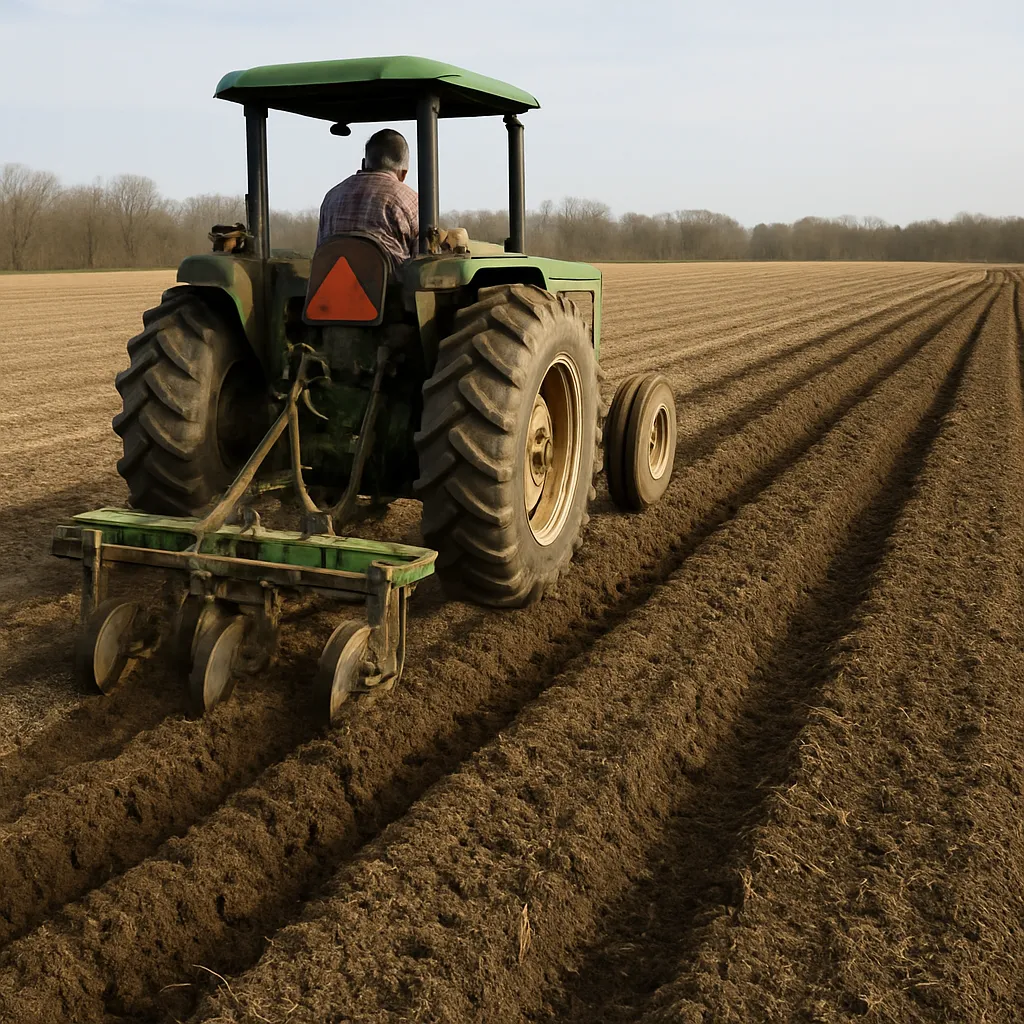
Efficient end-of-furrow turns can dramatically impact overall field performance, fuel consumption, and operator comfort. Implementing targeted adjustments and adopting proven techniques ensures that each pass is as productive as possible. By focusing on the right equipment setup, refined field strategies, and cutting-edge technologies, farmers can achieve consistent improvements in turn time while safeguarding soil structure and crop potential.
Equipment Setup for Faster Turns
Choosing and configuring the right machinery components lays the groundwork for swift end-of-furrow maneuvers. Proper attention to plow attachments, tractor settings, and implement match-ups eliminates unnecessary delays and maximizes operational efficiency.
Plow Configuration
- Opt for reversible plows or rollover models to reduce time spent backing up at the headland.
- Adjust furrow width and depth to match soil conditions, minimizing draft load and improving traction.
- Maintain correct share and moldboard angles through routine calibration, ensuring easy soil turnover and reduced slippage.
Tractor Adjustments
- Set hydraulic flow rates to allow rapid implement lift and lower cycles without shocking the system.
- Fine-tune ballast distribution: a balanced weight ratio between front and rear axles improves steering response.
- Optimize tire pressure to prevent soil compaction yet retain enough grip for quick directional changes.
Field Techniques to Minimize Turn Time
Beyond machinery, the way an operator approaches the field significantly influences turn duration. Strategic planning of headland layout and turning patterns can shave off critical seconds on each pass, compounding into considerable time savings over large acreage.
Headland Planning and Layout
- Mark permanent or semi-permanent guidelines at the headland for consistent furrow alignment.
- Use GPS-based boundary maps to establish precise turning zones, reducing overlap and wasted movement.
- Ensure ample working width at the headland to accommodate the swing radius of wide plows or multi-furrow units.
Speed and Gear Selection
- Match forward speed to plow load; higher speeds can increase productivity but may slow turns if traction is compromised.
- Engage a lower gear before initiating a turn to maintain control without abrupt braking.
- Avoid sudden throttle changes; smooth power application sustains momentum through tight headland maneuvers.
Operator Strategies and Best Practices
Skilled operators blend mechanical know-how with anticipatory techniques, reducing hesitation and improving consistency. Simple adjustments in seating position, hand placement, and visual focus accelerate decision-making at critical moments.
Precision Guidance and Steering
- Implement auto-steer or assisted guidance systems for consistently straight furrows and exact headland angles.
- Train operators to keep hands at the optimal steering positions to enable quick corrections.
- Monitor wheel slip and adjust steering inputs proactively, preventing overcorrections that cost time.
Ergonomics and Operator Comfort
Reduced fatigue translates into sharper reactions. An ergonomic cab layout, seat adjustments, and climate control all contribute to operator well-being, enabling sustained performance throughout long workdays.
- Position controls within easy reach to avoid unnecessary stretches or posture shifts.
- Incorporate suspension seats and cab dampening packages to absorb vibrations.
- Ensure clear visibility by routinely cleaning windows and mirrors, aiding quick situational assessments.
Advanced Technologies Supporting Efficient Turns
Emerging innovations bring unprecedented improvements in end-of-furrow turn times. By adopting technologies that emphasize data-driven decision-making and automation, farms can gain a competitive edge in field operations.
Autonomous and Assisted Systems
- Utilize automation platforms that can autonomously complete turns once set up, minimizing operator intervention.
- Deploy implement-aware guidance that adjusts plow position during turns to prevent ground gouging or crop damage.
- Integrate headland management software to plan turning paths and accumulate performance metrics over time.
Real-Time Monitoring and Data Analytics
- Install sensors on critical components to track hydraulic pressures, draft loads, and turn cycle times.
- Analyze field-level data to identify bottlenecks—be it sharp soil compaction zones or inconsistent headland widths.
- Leverage machine learning tools to predict optimal turn timing based on terrain features and soil moisture readings.
Maintenance and Continuous Improvement
Regular upkeep of all plowing implements and tractors is crucial to ensure peak performance. A structured maintenance schedule not only extends machinery life but also keeps turn times minimal by preventing unexpected breakdowns.
- Inspect pivot points, hitch pins, and hydraulic lines before each season for wear and tear.
- Sharpen or replace worn shares and coulters to sustain low draft and easy soil penetration.
- Calibrate guidance sensors and monitor software updates to maintain alignment accuracy.
By addressing each of these areas—equipment configuration, field techniques, operator strategies, advanced technologies, and diligent upkeep—farmers can systematically reduce end-of-furrow turn time. The cumulative benefit manifests as increased acreage coverage, lower fuel consumption, and enhanced overall yield.