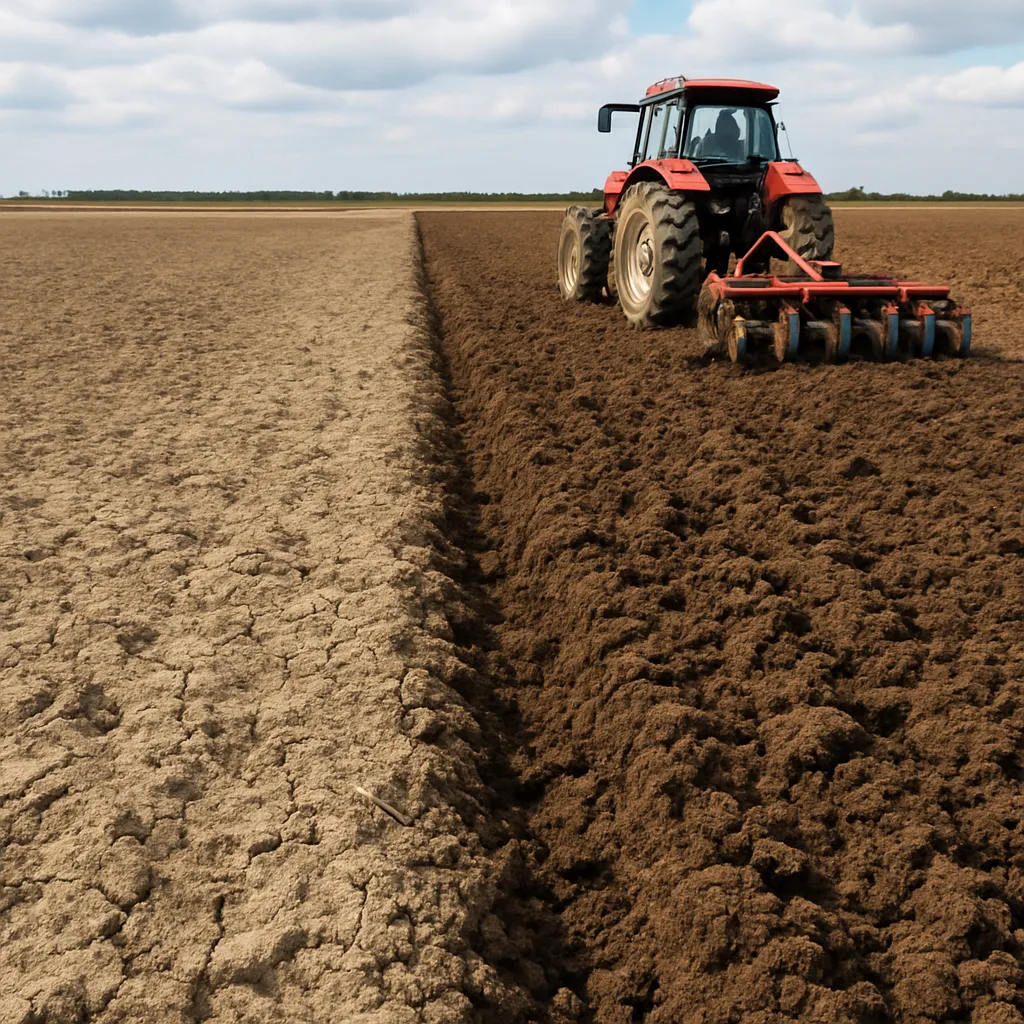
Effective restoration of compacted soil improves crop yields, enhances water management, and promotes healthier root systems. By employing tailored mechanical practices, farmers can alleviate subsurface density and rejuvenate the soil profile. This article explores proven techniques in subsoiling and plowing, combined with supportive cultural methods, to restore optimal growing conditions.
Understanding Soil Compaction and Its Impact
Soil compaction occurs when soil particles are pressed together, reducing pore space and limiting both air and water movement. Heavy machinery traffic, excessive tillage, and low organic inputs intensify this condition. Key consequences include diminished porosity, restricted water infiltration, and stunted root growth. Identifying the depth and severity of the compacted layer—often called a “hardpan”—is the first step toward selecting the right mechanical intervention. Simple field tests, such as probe resistance and soil core sampling, help determine the location and thickness of the compacted zone.
Techniques for Subsoiling to Break Compaction
Subsoiling is a deep-tillage process designed to mechanically fracture compacted layers without inverting the topsoil. By loosening these zones, subsoiling improves drainage, enhances root penetration, and encourages better water distribution.
Choosing the Right Equipment
- Select a tractor with sufficient horsepower to pull a robust subsoiler shank through dense soil.
- Opt for subsoiler models featuring adjustable shank spacing and replaceable tips to match field conditions.
- Use a winged tip or chiseling point to create additional soil fracture and reduce draft requirements.
Optimal Depth and Timing
Perform subsoiling when the soil is neither too wet nor too dry. Ideal moisture levels prevent smearing while ensuring efficient root-zone loosening. Aim for a depth of at least 30–40 centimeters, or below the identified hardpan layer. Exceeding 50 centimeters may require greater fuel consumption and horsepower, so calibrate depth according to soil texture and compaction severity. A secondary pass at a slightly different angle enhances the uniformity of soil shattering and disrupts restrictive layers more effectively.
Integrating Plowing Strategies for Enhanced Soil Recovery
Plowing complements subsoiling by turning over the topsoil, incorporating crop residues, and disrupting surface crusts. Various plow types address different objectives, from residue mixing to weed control.
Plow Selection and Configuration
- Moldboard plows invert the soil, burying surface residue and controlling deep-rooted weeds.
- Chisel plows or ripper plows leave more surface residue, reduce erosion risk, and create a rough seedbed.
- Adjust plow angles and skimmer settings to optimize residue flow and minimize blockages.
Perform plowing shortly after subsoiling, or in a separate window when soil conditions are optimal. The sequence of mechanical operations influences overall soil recovery. When subsoiling precedes plowing, deep layers are opened first, then surface layers are refreshed. Conversely, early plowing can distribute organic residues more evenly before deep fracturing.
Combining Cultural Practices to Sustain Soil Structure
Long-term soil health demands more than mechanical remedies. Integrating crop rotations, organic amendments, and controlled traffic patterns preserves the benefits gained from subsoiling and plowing.
- Include cover crops such as rye, clover, or radish to protect soil, add biomass, and prevent re-compaction.
- Apply compost or manure to boost organic matter content, fostering aggregation and nutrient cycling.
- Implement controlled traffic farming to confine heavy machinery to designated lanes, maintaining the rest of the field under low pressure.
- Encourage microbial activity by minimizing chemical disturbance and allowing roots to feed soil biota year-round.
Best Practices and Safety Considerations
Maintaining mechanical equipment and adhering to safety guidelines ensures efficiency and operator well-being. Regularly inspect shanks, tips, and plowshares for wear. Calibrate hydraulic systems for consistent depth control. Mark underground utilities before deep tillage to prevent accidents. Train operators on safe handling procedures and emergency protocols. Proper maintenance reduces downtime and extends the lifespan of valuable equipment.