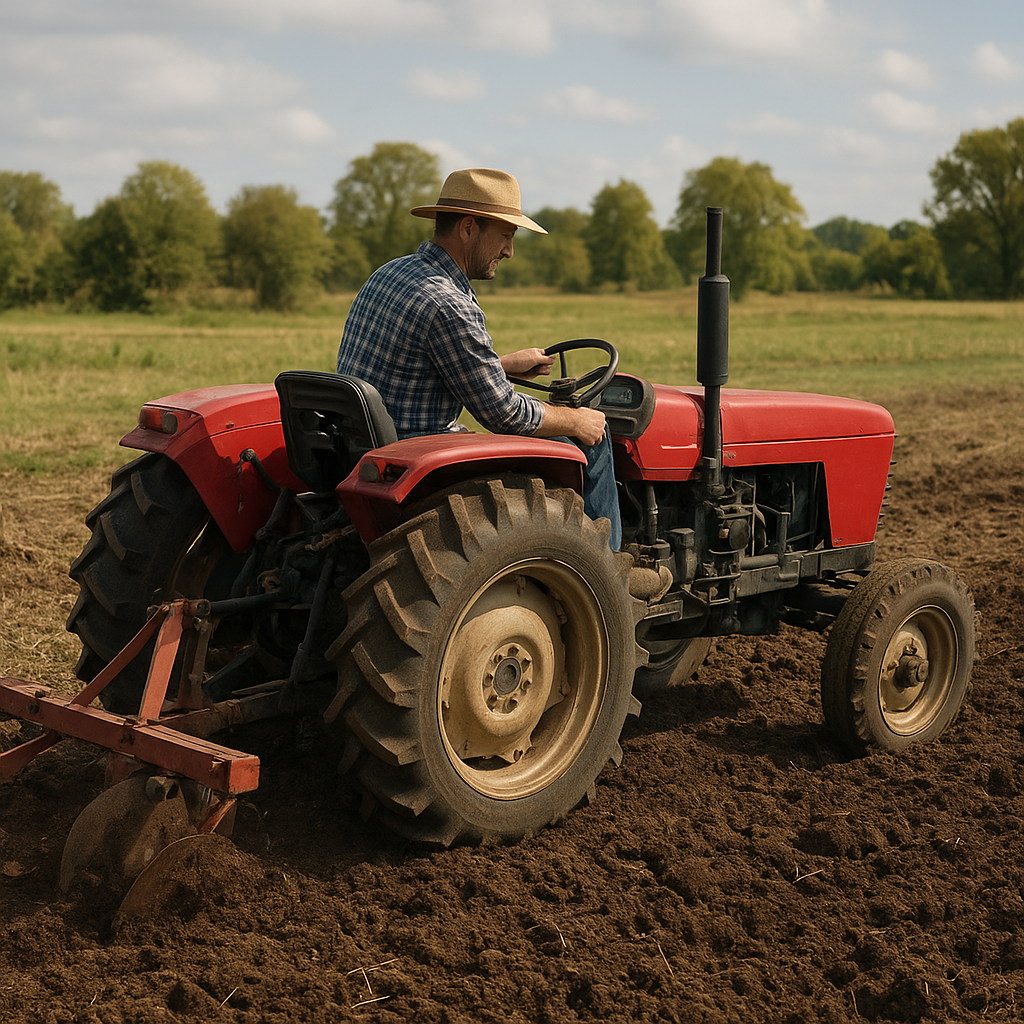
Plowing is a fundamental task in agriculture that prepares the land for planting, but it carries inherent risks if not approached with care. From checking your tractor to understanding field conditions, every step demands attention. This guide highlights key safety tips every farmer should know before plowing, helping you avoid accidents, protect equipment, and maintain productive fields.
Essential Equipment Checks
Before you even fire up the engine, conduct a thorough inspection of your machinery. A few minutes spent on pre-operation checks can prevent costly breakdowns and serious injuries.
Inspection of Tractor and Implements
- Examine the hydraulics for leaks or worn hoses. High-pressure fluid can cause serious harm if lines fail under load.
- Ensure the plow blades are securely fastened and free from cracks or excessive wear.
- Check tire pressure and tread condition for optimal traction across varied terrain.
- Verify that all safety guards, shields, and hitch pins are in place and properly secured.
- Test lights, indicators, and hazard beacons for full functionality to maintain visibility in low-light conditions.
Routine Maintenance Tasks
Adhering to a scheduled maintenance routine extends equipment life and keeps performance reliable:
- Change engine oil and filters according to manufacturer recommendations.
- Grease all moving parts, including joints and bearings, to reduce friction and wear.
- Inspect drive belts for signs of cracking or glazing, replacing them before failure.
- Keep the radiator clean and full of coolant to prevent overheating during extended operation.
Safe Field Preparation
Mapping out your field conditions and planning your route can drastically reduce the likelihood of getting stuck or causing damage.
Evaluating Soil and Weather Conditions
- Test soil moisture before plowing. Excessively wet fields lead to compaction, while overly dry soil increases dust and wear on equipment.
- Monitor the weather forecast to avoid working during storms or immediately after heavy rain.
- Take note of rocky or uneven patches that can jolt the machinery or damage plow components.
Field Layout and Obstacle Identification
Walk the perimeter of the field to spot hidden hazards and plan your passes:
- Mark the locations of ditches, irrigation lines, and buried cables to prevent accidental strikes.
- Identify slopes or hills that could cause rollover risks; always descend and ascend in a straight line when possible.
- Clear the field of debris—large stones, old fence posts, and fallen branches can damage plows and create safety hazards.
Best Plowing Practices
Executing proper plowing techniques maximizes efficiency and minimizes the risk of accidents. Precision and communication on the field are key.
Operating at Safe Speeds
- Adjust your travel speed according to field conditions; excessive speed reduces control and increases wear on the implements.
- Engage Power Take-Off (PTO) and hydraulic systems only at recommended RPMs to avoid mechanical failures.
- Slow down for headlands and turns, retracting the plow slightly to reduce strain and enhance maneuverability.
Maintaining Correct Plow Depth and Alignment
Incorrect settings can lead to uneven fields and higher fuel consumption:
- Set plow depth based on soil type; deeper cuts in dense clay require higher horsepower, whereas sandy soils need shallower passes.
- Monitor draft force on the hitch; an imbalance may indicate misalignment or a need for equipment adjustment.
- Use skid shoes or gauge wheels to maintain a consistent depth, reducing the chance of sudden jolts when hitting buried objects.
Emergency Shutdown Procedures
Knowing how to stop operations instantly can prevent minor issues from becoming major incidents:
- Familiarize yourself with the location of all emergency stop controls and breakers.
- Keep a clear path for egress if the tractor stalls or locks up under load.
- Train any assistants on safe dismounting procedures to avoid pinching hazards around hitch points.
Maintenance and Troubleshooting on the Go
Even the best-prepared farmer can face unexpected equipment challenges. A proactive approach to troubleshooting ensures minimal downtime and sustained safety.
Quick-Response Tool Kit
- Carry essential hand tools, extra hydraulic fittings, and replacement shear bolts for in-field repairs.
- Include a spare set of plow shoes or skimmers in case of rapid wear or breakage.
- Stock up on lubricants and sealants to address minor leaks before they escalate.
Recognizing Warning Signs
Listen and look for telltale indicators of trouble:
- Unusual vibrations or knocking sounds from the tractor gearbox may signal gear damage or low oil levels.
- Smoke or burning odors under the hood call for an immediate shutdown to prevent fire hazards.
- Loss of hydraulic pressure often presents as sluggish plow response or failure to lift implements.
Coordinating Repairs Safely
- Lower implements fully to the ground and engage the parking brake before attempting any fixes.
- Use jack stands under the tractor chassis when working beneath raised sections.
- Maintain clear communication with helpers, using hand signals or radios to coordinate movements around heavy machinery.