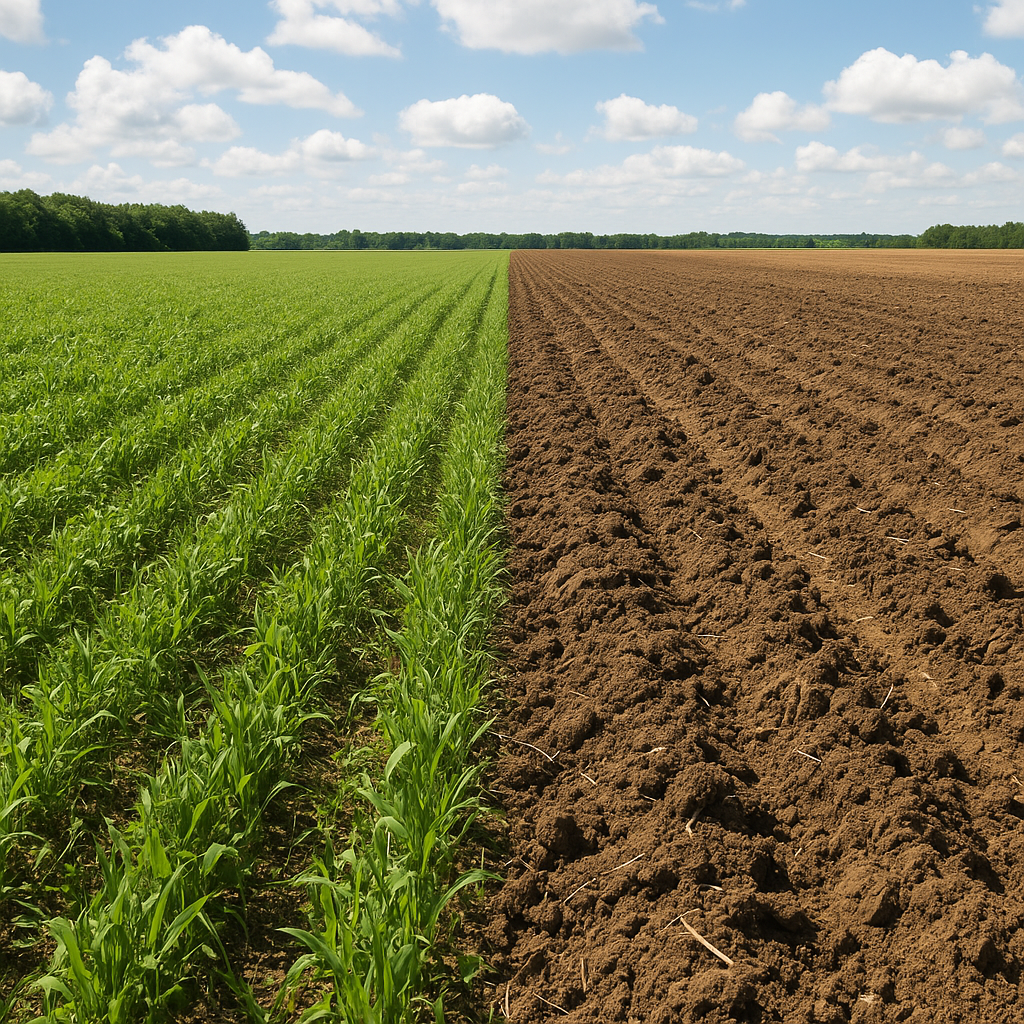
Implementing no-till farming represents a transformative approach for modern agriculture. By abandoning the deep inversion of soil inherent in traditional plowing, growers unlock a range of environmental, economic, and agronomic benefits. This article delves into practical plowing tips and complementary strategies, emphasizing why no-till systems often outperform conventional methods in terms of soil health, water management, biodiversity, and overall farm efficiency.
Benefits of No-Till Farming
Improved Soil Structure
Conventional plowing breaks up soil aggregates, disrupting pore networks essential for water infiltration and root penetration. In contrast, no-till preserves the native soil architecture. The result is a more stable arrangement of clods, pores, and channels that facilitate deeper root growth and oxygen exchange. Farmers notice that soils under no-till exhibit enhanced aggregation due to increased organic matter, leading to better anchorage for crops and fewer surface crusting issues following rainfall.
Erosion Control
Soil erosion is a critical challenge in tilled fields, where exposed topsoil washes away under heavy rain or wind. No-till systems maintain a protective residue cover that intercepts raindrop impact and slows surface runoff. This practice greatly reduces both sheet and rill erosion. Over time, fields managed with minimal soil disturbance retain more productive topsoil, minimizing sediment losses and safeguarding surrounding ecosystems from nutrient-laden runoff.
Water Management and Conservation
Enhanced Moisture Retention
No-till farming acts like a natural sponge. Crop residues left on the surface help shade the soil, reducing evaporation rates during hot, dry periods. Meanwhile, the undisturbed pores and channels allow rainwater to penetrate deeply rather than running off. This leads to sustained soil moisture levels, which support seedlings during establishment and reduce the need for supplemental irrigation.
Reduced Runoff and Improved Infiltration
Conventional plowing often compacts subsoil layers, creating a hardpan that acts as a barrier to water movement. No-till avoids compaction by eliminating repetitive passes of heavy equipment, preserving the soil’s natural permeability. Enhanced infiltration reduces surface runoff, mitigating flood risk and increasing groundwater recharge. For farmers in regions prone to erratic rainfall, these advantages foster greater resilience against both droughts and torrential storms.
Enhancing Soil Biodiversity
Boosted Microbial Activity
The soil microbial community—bacteria, fungi, protozoa—thrives under no-till conditions. Residual crop residues serve as a continuous food source for decomposers, spurring a dynamic cycle of nutrient release. Beneficial fungi, such as mycorrhizae, form symbiotic relationships with plant roots, improving nutrient uptake and stress tolerance. By refraining from regular inversion, growers support a balanced soil food web that dismantles disease-causing organisms and enhances overall soil resilience.
Earthworm Proliferation
Earthworms are nature’s tillers. In no-till fields, their populations can skyrocket—often up to four times higher than in conventionally tilled plots. These invertebrates burrow through compacted zones, creating microscopic channels that further enhance aeration and drainage. Their castings enrich the soil with plant-available nutrients, contributing to sustained fertility and improved crop yield.
Economic and Operational Advantages
Lower Fuel and Labor Costs
Reduced tillage equates to fewer tractor hours and lower fuel consumption. Typical savings range from 25 to 50 percent in fuel costs alone, depending on regional conditions and machinery efficiency. Additionally, labor requirements decline as fewer field passes are needed for seedbed preparation. Over time, these savings can offset initial investment in specialized no-till seeding equipment.
Decreased Equipment Wear
Continuous plowing subjects implements to high mechanical stress, leading to accelerated wear on blades, disks, and bearings. By minimizing soil disturbance, farmers significantly extend the service life of their equipment. Maintenance intervals lengthen, and repair costs drop—factors that contribute to greater long-term profitability.
Practices and Tips for Successful Transition
Cover Cropping Strategies
Integrating cover crops into a no-till rotation bolsters the system’s success. Legumes such as clover or vetch fix atmospheric nitrogen, reducing fertilizer requirements. Plants with deep taproots—radish or tillage radish—break up compacted layers, improving root zone structure. To optimize benefits, choose mixes tailored to local climate and soil conditions.
Residue Management Techniques
Maintaining the right amount of surface residue is crucial. Too much residue can interfere with seed placement, while too little undermines protective functions. Adjust residue spreaders and row cleaners to achieve a uniform seedbed. Use coulter-equipped drills or high-clearance planters designed to slice through residue, ensuring proper seed-to-soil contact.
Selecting Specialized Machinery
- Vertical tillage tools lightly disturb the surface to level residues without full inversion.
- No-till seed drills incorporate closing wheels and gauge wheels for consistent planting depth.
- Strip-till rigs prepare narrow bands for seeding while leaving inter-row areas undisturbed.
Evaluate machine weight, row spacing, and down-pressure capabilities to match your soil type and residue levels. Investing in adjustable mounts and hydraulic controls further enhances adaptability across varying field conditions.
Adapting to Field Variability
Monitoring Soil Conditions
Regular soil testing guides nutrient management and pH adjustments. Use grid or zone sampling to identify variation within the field. Tailor lime and fertilizer applications accordingly; this precision approach maximizes crop response and minimizes environmental impact.
Incorporating Crop Rotation
A diverse rotation—cereals, oilseeds, pulses—breaks pest and disease cycles while balancing nutrient demand. Rotate deep-rooted and shallow-rooted species to exploit different soil layers for water and nutrient uptake. Include fast-growing cover crops in fallow periods to sustain organic inputs and suppress weeds.
Implementing Weed and Pest Management
Mechanical and Cultural Controls
No-till fields often face initial weed pressure due to undisturbed seedbanks. Combine pre-plant burndown herbicides with timely planting to reduce competition. Integrate mechanical options such as inter-row cultivation or targeted flame weeding during critical growth stages.
Biological and Chemical Integration
Encourage beneficial insects by establishing flowering margins and hedgerows. Where necessary, apply selective herbicides calibrated for no-till scenarios, taking advantage of improved soil moisture and residue cover to increase herbicide efficacy. Rotate modes of action to delay resistance development among weed populations.
Long-Term Soil Carbon Sequestration
Building Stable Carbon Pools
By limiting soil oxidation through reduced disturbance, no-till farming stores greater carbon in both surface residues and deeper soil layers. Over years, fields under continuous no-till can accumulate significant organic carbon, contributing to climate change mitigation while enhancing soil fertility.
Tracking Progress with Measurements
Adopt simple on-farm methods—such as bulk density cores and loss-on-ignition tests—to monitor changes in soil organic carbon. Documenting improvements supports enrollment in carbon credit programs and provides tangible evidence of system resilience.
Final Considerations for Success
Patience and Incremental Changes
Transitioning from deep plowing to a no-till system may present a learning curve. Start small—pilot one field or split fields into till and no-till sections. Track performance metrics (soil moisture, yield data, input costs) to build confidence before scaling up.
Collaborative Learning and Support
- Join local no-till associations or online forums to exchange experiences.
- Attend field days and equipment demos to evaluate best practices in action.
- Partner with agronomists for tailored nutrient and pest management plans.
By combining proven plowing tips with adaptive management, farmers can fully harness the advantages of no-till farming. This sustainable approach not only preserves precious soil resources but also drives long-term productivity and environmental stewardship.