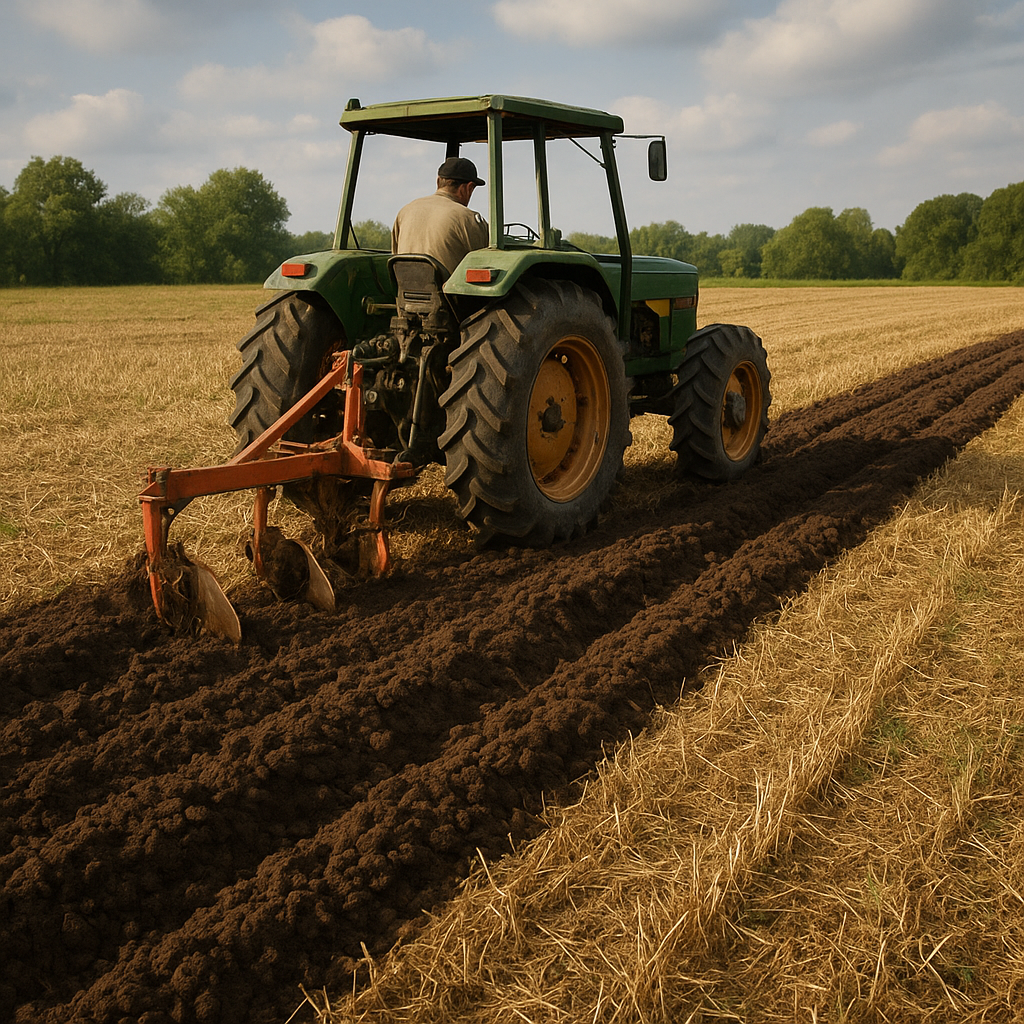
The Connection Between Plowing and Soil Fertility
Understanding the link between plowing and soil fertility is essential for any farmer or gardener seeking to maximize yield and maintain long-term sustainability. Proper plowing techniques can dramatically improve soil structure, enhance nutrient availability, and promote healthy roots development. This article explores practical plowing tips, addresses common challenges, and provides guidelines to optimize your soil’s health.
Enhancing Soil Structure Through Plowing
A well-structured soil profile forms the foundation of productive agriculture. By breaking up compacted layers, plowing helps create uniform aggregates that support better water infiltration and root expansion. When conducted correctly, this practice reduces hardpan formation and improves overall soil stability.
Improving Aeration and Root Penetration
Subsoiling or deep plowing loosens underlying soil horizons, allowing air to circulate more freely. Increased aeration stimulates beneficial microbial activity, which in turn accelerates the decomposition of organic materials. Roots face less resistance in well-aerated soil, leading to deeper penetration and more robust anchorage. For row crops, this means plants can access moisture and nutrients stored deeper in the profile, reducing drought stress during dry periods.
Balancing Moisture Retention
While macro-pores created by plowing enhance drainage, maintaining a balance is crucial to prevent excessive moisture retention or drought conditions. Overly fine tilth may lead to crusting, while overly coarse tilth can cause rapid water loss. Adjusting plowing depth—typically between 6 and 12 inches depending on crop requirements—helps strike the right balance. Incorporating organic amendments immediately after plowing further aids in moisture regulation by increasing the soil’s water-holding capacity.
Optimizing Nutrient Availability with Proper Tillage
Unless done thoughtfully, plowing can accelerate nutrient depletion or leaching. The goal is to integrate crop residues and fertilizers without disrupting beneficial microbial communities. Strategic plowing schedules and complementary soil amendments ensure that essential elements such as nitrogen, phosphorus, and potassium remain accessible to plants throughout the growing season.
Incorporating Organic Matter
Organic matter is the lifeblood of fertile soil. After plowing, mixing in compost, manure, or green manure crops fosters a steady release of nutrients and enhances cation exchange capacity. This practice also stimulates the proliferation of earthworms and other soil fauna that further improve organic matter breakdown. Aim for at least 2–4% organic content in your topsoil to sustain healthy microbial populations.
Preventing Nutrient Leaching
Excessive rainfall following deep tillage can wash away soluble nutrients, leading to poor crop performance and environmental concerns. To mitigate this risk:
- Time your plowing immediately before planting or just after harvest to minimize bare fallow periods.
- Use cover crops such as clover or rye to hold nutrients in place.
- Apply slow-release or stabilized fertilizers to limit rapid nutrient runoff.
These measures help retain nitrogen and other critical nutrients within the root zone, supporting sustained plant growth.
Sustainable Plowing Practices and Advanced Tips
Modern agriculture demands a blend of tradition and innovation. Sustainable plowing focuses on long-term soil health, erosion control, and resource conservation. Adopting conservation-minded techniques can reduce labor costs, fuel consumption, and environmental impact.
Conservation Tillage Methods
Rather than extensive inversion plowing, consider reduced-till or no-till approaches. Conservation tillage leaves at least 30% of crop residue on the surface, which:
- Reduces soil erosion from wind and water.
- Enhances moisture retention by shielding the soil surface.
- Promotes beneficial fungal networks and microbial diversity.
Even limited cultivation zones—strip-till systems—can boost germination while preserving undisturbed soil in inter-row areas.
Timing and Equipment Considerations
Optimal plowing timing varies by climate, soil type, and crop rotation. Plowing when the soil is too wet can lead to severe compaction, while excessively dry conditions may produce clods that hinder seedbed preparation. As a rule of thumb:
- Perform spring plowing when soil moisture is moderate and frost has receded.
- Delay fall plowing until crops are harvested to reduce erosion risk.
- Calibrate your plow’s disk angle and depth settings to match field conditions; a shallow setting of 4–6 inches often suffices for light soils, whereas heavier clay soils may benefit from deeper passes.
Regularly inspect and sharpen plow shares to ensure efficient cutting and minimal fuel use.
Maximizing Crop Performance Post-Plowing
Once plowing is complete, focus shifts to seedbed refinement and nutrient management. Proper follow-up operations can determine whether the benefits of plowing translate into tangible productivity gains.
Seedbed Preparation Techniques
After the initial tillage, a secondary pass with a disk harrow or cultivator smooths the surface, creating uniform tilth. This level seedbed improves seed-to-soil contact and promotes uniform germination. For small-scale gardens, manual methods like raking can achieve similar results, ensuring that seeds are placed at the correct depth.
Monitoring Soil Health Over Time
Long-term success relies on regular soil testing and observation. Track indicators such as pH, organic matter content, and microbial activity. Adjust nutrient applications and plowing frequency based on test results:
- Soil pH below 6.0 may require lime application before plowing to optimize nutrient availability.
- Low organic matter readings signal a need for cover crops or additional compost applications.
- Signs of persistent compaction—standing water or stunted growth—suggest deeper subsoiling interventions.
These proactive measures help maintain soil vitality and high crop yield potential.
Integrating Plowing Tips into Crop Rotation Plans
Incorporating diverse rotations—cereals, legumes, and cover crops—maximizes the advantages of plowing. Legumes fix atmospheric nitrogen, reducing fertilizer requirements for the next season. Deep-rooted cover crops like radish break compacted layers and bring up subsoil nutrients, making them available to subsequent cash crops.
Rotation Strategies for Different Climates
Adapt your rotation to regional conditions:
- In cooler climates, a spring-planted legume after shallow plowing can jumpstart soil biology before summer crops.
- In arid regions, fall-planted cover crops following light tillage help protect soil during dry winters.
- In humid areas, reduced-tillage systems with alternating cereal and broadleaf species minimize erosion while sustaining organic inputs.
These approaches ensure continual improvement of soil properties and crop performance.
Leveraging Technology for Precision Tillage
Global Positioning System (GPS) guidance and variable-rate plowing equipment allow for precise depth control and reduced overlap. By targeting only the zones that require tillage, farmers can conserve energy, minimize soil disturbance, and improve overall field uniformity. Employing sensors to measure soil compaction or moisture in real time further refines your plowing strategy, leading to smarter decisions and healthier soils.