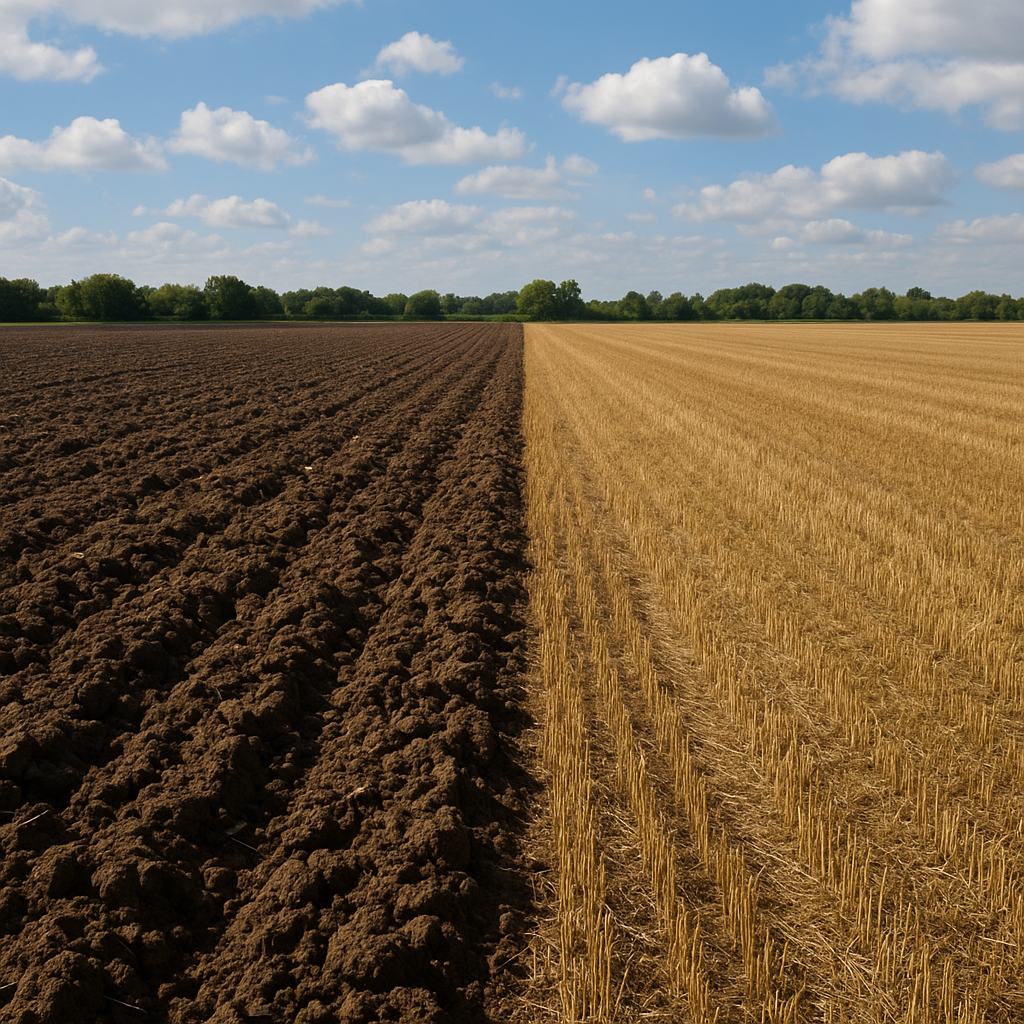
Annual plowing remains a cornerstone in many farming operations, yet its impact on crop yields, soil health, and environmental balance sparks ongoing debate. By turning over the top layer of earth each season, farmers aim to prepare a clean seedbed, incorporate residues, and control pests. However, repeated disturbance can lead to unintended consequences that may undermine long-term productivity. This article explores the advantages and drawbacks of plowing every year, and offers practical advice for maximizing benefits while minimizing risks.
Benefits of Annual Plowing
Improved Nutrient Distribution
When a field is plowed regularly, crop residues and organic amendments mix thoroughly with the soil profile. This helps disperse nutrients evenly, making them more accessible to developing roots. Incorporating compost, lime or fertilizers into the tilled layer ensures that essential elements like nitrogen, phosphorus and potassium become available at the proper depth. In no-till systems, these materials often accumulate at the surface, leading to stratification and uneven uptake.
Enhanced Seedbed Preparation
A smooth, friable seedbed is critical for uniform germination. Annual plowing disrupts hardened crusts and breaks up clods, creating a fine tilth in which seeds can establish quickly. This process also improves aeration, allowing roots to penetrate deeper and access water reserves during dry spells. By eliminating compacted layers, plowing promotes early root branching and robust stand development, especially in heavy clay soils.
Weed Control
Turning the soil buries weed seeds and uproots emerging shoots, reducing competition for light, water and nutrients. For many annual weeds, burial at greater depths curtails germination. Additionally, plowing can expose pests and weed propagules to predators and environmental stresses. This mechanical approach to weed management can reduce reliance on herbicides, saving costs and limiting chemical residues in the ecosystem.
Better Moisture Management
In regions prone to heavy rainfall or erratic precipitation, plowing can help water infiltrate more rapidly, preventing surface runoff and ponding. By opening up the topsoil, annual tillage enhances moisture retention in deeper layers. Farmers often find that plowed plots drain faster after storms, reducing the risk of root diseases associated with waterlogged soils. In dry conditions, the loosened profile allows efficient rain capture, replenishing subsoil reserves for drier periods.
Drawbacks of Frequent Plowing
Increased Erosion
Exposed earth is vulnerable to wind and water erosion. Annual disturbance removes protective plant cover and disrupts soil aggregates, making topsoil more likely to wash or blow away. Over time, significant loss of the fertile horizon can occur, degrading land productivity. Farmers working on slopes or in areas with intense storms must weigh the benefit of a tilled seedbed against the potential for long-term erosion and sedimentation of watercourses.
Soil Compaction
While plowing breaks up the surface layer, it can create a dense, compacted zone just below the tilled layer, often called a plow pan. This impervious layer restricts root growth and impedes water infiltration, paradoxically leading to surface crusting. The repeated action of heavy machinery contributes to subsurface compaction, requiring deeper tillage or subsoiling to correct. Without careful management, this hardpan can reduce aeration and water movement, ultimately hampering crop performance.
Loss of Organic Matter
Frequent exposure of soil organic fractions to oxygen accelerates microbial decomposition. Each pass of the plow increases the breakdown of organic matter, diminishing the reserves that support nutrient cycling, water retention and aggregate stability. Low organic content makes the soil more susceptible to drought and erosion, and reduces the capacity to buffer pH fluctuations. Over decades, intensive tillage may transform productive land into a marginal resource.
Disturbance of Soil Biota
Soil ecosystems thrive when fungal networks, earthworms and beneficial microbes remain undisturbed. Annual plowing shreds fungal hyphae, upends earthworm burrows and alters microbial community structure. Declines in beneficial organisms can reduce natural pest suppression and nutrient mineralization rates. A healthy soil food web contributes to stable soil conditions, so frequent disruption may necessitate increased inputs to maintain yields.
Best Practices and Alternatives
Reduced or Conservation Tillage
Switching from full inversion plowing to reduced-till implements like chisel plows or disc harrows minimizes soil turnover. Conservation tillage retains residue on the surface, protecting the ground from erosion and supporting organic matter accumulation. Strip-till, which only tills narrow bands where seeds will be placed, preserves structure in the interrow zones. This balance between disturbance and cover can maintain many benefits of annual plowing while mitigating its drawbacks.
Cover Crops and Green Manure
Sowing cover crops such as legumes, cereals or brassicas during fallow periods enhances soil resilience. These plants shield bare earth, root deeply to alleviate compaction, and add biomass when incorporated. A winter rye or hairy vetch cover can boost fertility naturally, reducing the need for synthetic fertilizers. Timing termination of green manures correctly ensures residues decompose without competing with the main crop.
Strategic Annual Plowing Rotation
If annual plowing remains essential for certain crops or fields, rotating the practice can spread its impact. Plow high-risk areas only once every two or three years, alternating with no-till or minimum-till phases. This approach maintains benefits like weed control and seedbed preparation where they’re most needed, while preserving soil health across the farm. Record keeping and field mapping help in planning an effective rotation schedule.
Equipment and Timing Tips
Choosing the right equipment and timing operations carefully can reduce negative effects. Plow when soil moisture content is moderate—too wet leads to smearing, too dry causes dust and clods. Adjust depth to just below residue level, avoiding excessive inversion. Uniform depth control and properly sharpened blades decrease fuel use and minimize passes. Periodic maintenance of rolling harrows and packers ensures a leveled finish without overworking the ground.
- Monitor soil moisture with a probe before tillage
- Combine shallow tillage with rolling for a fine seedbed
- Incorporate crop residues soon after harvest
- Test soil annually to guide amendment rates
- Adopt precision farming tools for variable-depth plowing