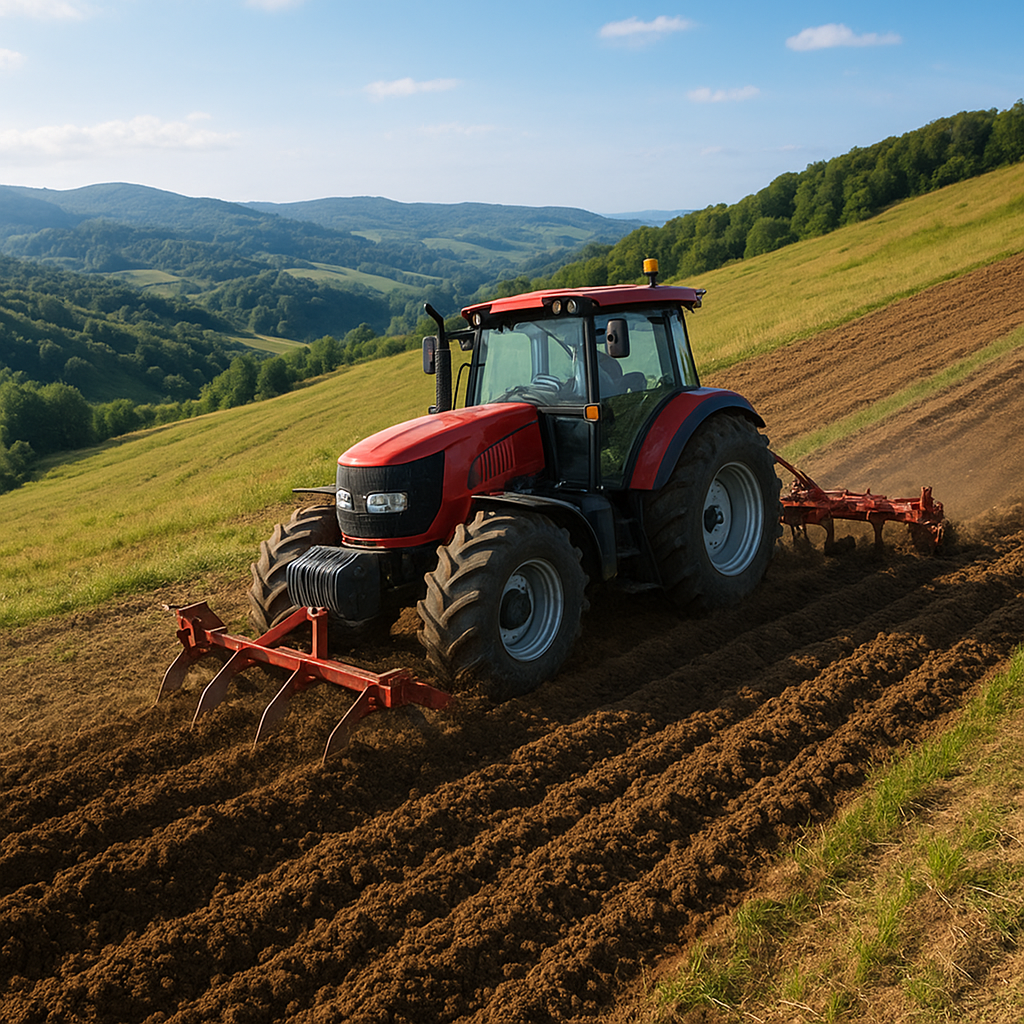
Plowing hillsides can pose significant challenges, especially when it comes to preventing soil loss and preserving fertile ground. By applying targeted methods and considering the landscape’s natural contours, farmers and land managers can dramatically reduce damage from runoff and maintain healthy fields. This article offers practical advice to tackle slope-related issues head-on, ensuring both productivity and environmental responsibility.
Selecting the Right Equipment and Settings
Choosing the appropriate machinery is the first step toward minimizing erosion on sloped terrain. Modern plows come with various hitch options, adjustment mechanisms, and coulter designs that directly influence soil displacement. Pay attention to the following factors:
- Equipment calibration: Ensure plow depth and angle are set precisely. Overly deep cuts on a hillside can dislodge soil and accelerate runoff channels.
- Hitch type: A three-point hitch may provide more control over depth than a two-wheel hitch, especially on uneven ground.
- Blade design: Disc coulters slice residue cleanly, while straight blades can mix more crop matter into the soil. For slopes, consider semi-mounted plows that allow for instantaneous adjustments.
- Tire traction: Use tires or tracks designed for low compaction and high grip to avoid slippage, which can create ruts that become erosion pathways.
Maintaining Optimal Moisture Levels
Soil moisture plays a huge role in determining how easily earth will move. Plowing when the ground is too dry will produce loose, blowable dust, while overly wet soils tend to clump and form rills. Conduct simple field tests by squeezing handfuls of soil: a firm ball that crumbles slightly upon touch is ideal.
Implementing Contour Plowing and Terracing
One of the most effective strategies for reducing water runoff is to align plow lines perpendicular to the slope, following natural elevation lines. This approach, often called contour plowing, creates small ridges that slow water flow and encourage infiltration.
- Field surveys: Use a laser level or A-frame level to mark contour lines accurately across your slope.
- Maintaining consistent furrow spacing: Uniform intervals help hold moisture and trap sediment rather than allowing it to wash away.
- Creating terraces: On steeper hillsides, consider building benches or terraces. These flat platforms break the slope into manageable segments, dramatically curtailing soil loss.
Constructing Grassed Waterways
Pair terrace systems with vegetative channels in low areas to guide excess water safely off the field. A well-designed grassed waterway reduces flow speed, encourages sediment deposition, and prevents gully formation. Establish hardy grasses or a mix of native species that form robust root systems to stabilize the channel.
Establishing Vegetative Barriers and Cover Crops
Leaving soil bare after plowing exposes it directly to erosive forces. Introducing green growth between main crops acts as a living shield, improving soil structure and decreasing splash erosion.
- Cover crops: Options like winter rye, clover, or vetch serve as seasonal protection. Their roots bind soil particles while the above-ground biomass breaks raindrop impact.
- Buffer strips: Plant strips of grass or legumes along field margins and waterways. These belts trap sediment and absorb nutrients before they enter nearby streams.
- Mulching: Apply organic mulch on steep sections immediately after plowing. This slows surface runoff and gradually enriches the soil as it decomposes.
Integrating Crop Rotations for Long-Term Conservation
Diversify planting patterns each season to avoid depleting certain nutrients and to break pest cycles. Rotations that include deep-rooted species, such as alfalfa or sunflowers, can improve soil porosity and support ongoing sustainability efforts. Over time, this practice fosters natural resilience against erosion by creating a more complex soil matrix.
Regular Maintenance and Monitoring Practices
Even the best-designed systems require periodic checks to remain effective. Small issues, if left unattended, can escalate into major rills or gullies.
- Routine inspections: Walk fields after heavy rainfall to identify emerging erosion channels. Early detection allows for quick repairs with shallow tilling, added mulch, or reseeding.
- Soil testing: Analyze nutrient levels and organic matter content annually. Healthy soils with balanced fertility resist erosion better than depleted soils.
- Adjusting plowing schedules: Avoid working when predicted weather includes heavy storms. Scheduling plowing during drier, calm periods reduces the chance of immediate washouts.
Record-Keeping and Data Analysis
Document every adjustment—from plow settings to cover crop variety—to build a comprehensive farm management log. Reviewing data trends over several seasons highlights which methods deliver the greatest erosion control and highest yields.
Planning for Future Innovations
Technological advances continue to introduce smarter solutions for hillside management. GPS-guided tractors help maintain exact contour lines, while drone imagery can map vulnerable areas before problems escalate. Stay informed about emerging tools so you can integrate them into your routine, keeping erosion under tight control and ensuring your operation remains both productive and environmentally responsible.