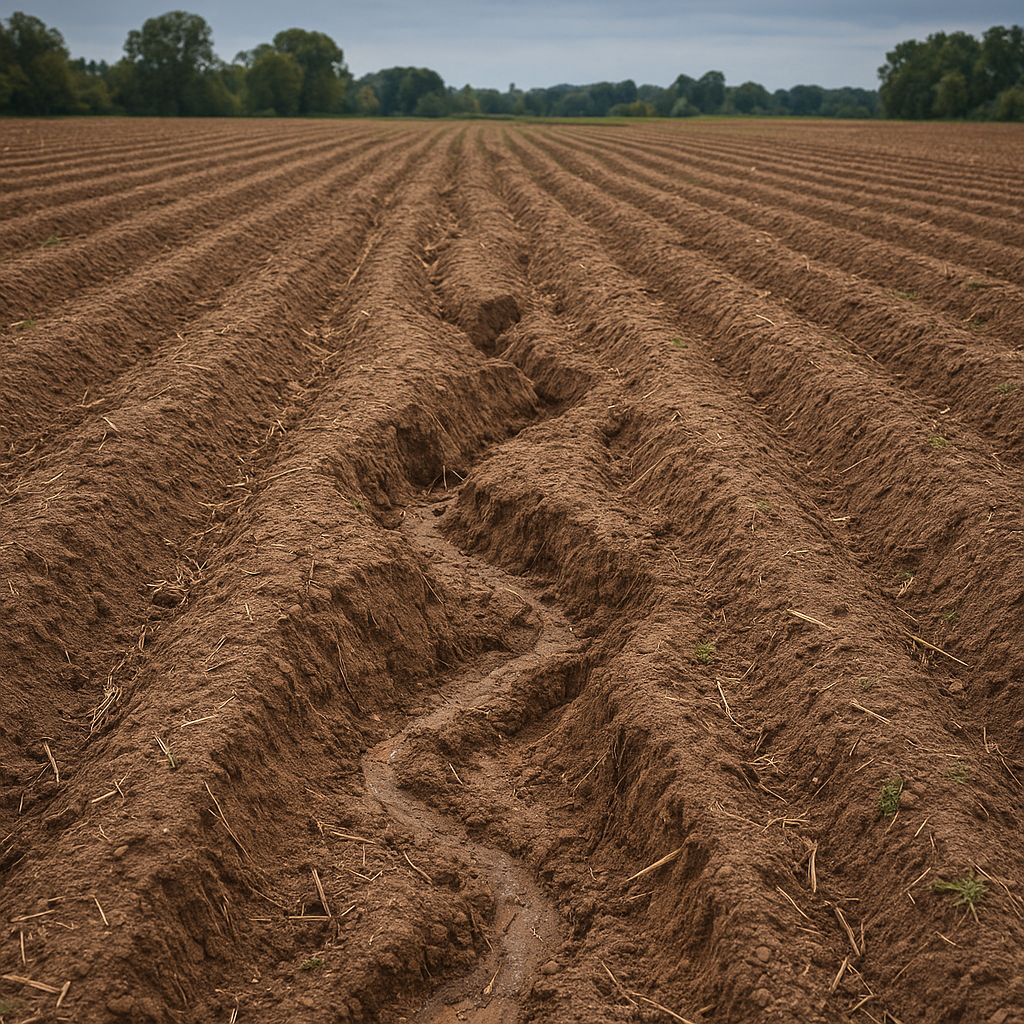
Proper management of soil after intensive field operations is critical to maintaining crop productivity and environmental health. Once the field has undergone plowing, vulnerable areas can develop erosion channels that compromise soil structure and lead to nutrient loss. This guide outlines practical approaches to identify, prevent, and control these channels, ensuring higher yields and long-term sustainability.
Understanding Erosion Channels in Plowed Fields
When a field is freshly plowed, the protective vegetative cover is removed, exposing bare soil to the forces of wind and water. During rainfall or irrigation events, water can concentrate in small rills and gullies, creating channels that transport sediment downslope. Over time, these channels deepen, threatening adjacent plots, roadways, and drainage systems.
Factors Contributing to Channel Formation
- Slope gradient: Steeper slopes accelerate surface runoff velocity.
- Soil texture: Sandy soils offer less cohesion than clayey soils.
- Raindrop impact: Direct fall of heavy rain breaks up soil aggregates.
- Tillage pattern: Straight furrows aligned with the slope act as flow conduits.
Signs of Early Erosion
Early detection is vital. Watch for:
- Small rills forming between successive ridges
- Accumulation of sediment at field edges
- Exposed roots or subsoil layers
- Water pooling in low spots
Effective Prevention Strategies
Controlling erosion must begin before severe channels form. By adopting the right combination of cultural and mechanical practices, you can minimize soil loss immediately after plowing.
Contour Plowing
Plowing along the natural elevation contours reduces slope length and slows water flow. Key benefits include:
- Improved water infiltration
- Reduced velocity of runoff
- Enhanced distribution of moisture across the bed
Strip Cropping and Buffer Strips
Alternating strips of cultivated crops with permanent grass or cover strips functions as a barrier. Buffer strips trap sediment and break up flow channels:
- Grass hedges slow water and encourage deposition
- Perennial vegetation increases root density
- Width of strips tailored to slope and soil type
Cover Crops and Mulching
Immediately after plowing, planting quick-establishing cover crops such as oats or rye can provide protective ground cover within weeks. Benefits include:
- Reduced impact of raindrops
- Continuous canopy to minimize bare soil exposure
- Organic matter addition to improve soil structure
Implementing Conservation Structures
For fields with persistent channeling issues, structural measures can offer long-term solutions. The following conservation practices are widely adopted on sloping lands:
Terraces
Constructing earthen or grassed terraces interrupts the slope, creating level benches that intercept runoff. When properly designed, terraces:
- Reduce slope length and energy
- Capture and safely convey excess water
- Act as mini reservoirs, promoting infiltration
Check Dams and Sediment Traps
Small-scale barriers made from rock, straw bales, or geotextile can be placed within developing channels. They:
- Slow water and encourage sediment deposition
- Are easy to install and maintain
- Offer a temporary fix while vegetation establishes
Diversion Channels
Constructing shallow, lined channels to redirect excess flow away from vulnerable slopes prevents the formation of deep gullies. Key steps include:
- Surveying high-risk areas
- Excavating gentle grades to avoid scouring
- Lining channel beds with rock or fiber mats
Monitoring and Maintenance
Even the best-designed controls require regular attention. A solid monitoring plan ensures that minor issues are addressed before they escalate.
Routine Inspections
- Survey fields after heavy rains
- Look for new rills or undercut sections
- Check the integrity of terraces and buffer strips
Adaptive Management
Adjust practices based on field observations. For instance, if channels reappear despite contour plowing, consider narrowing furrows or increasing vegetation density in cover crops.
Reinforcement and Repairs
Repair eroded sections promptly by:
- Regrading gullies to gentler slopes
- Installing fresh check dams
- Reseeding or replanting vegetation
By combining thoughtful design, timely planting of protective covers, and structural measures tailored to site conditions, farmers can effectively manage erosion channels caused by plowing. These practices not only preserve field productivity but also safeguard downstream water quality and promote long-term soil health.