Properly evaluating soil turnover efficiency is essential for achieving optimal crop yields and maintaining long-term soil health. By understanding the intricate balance of moisture, structure, equipment settings, and agronomic practices, farmers and agronomists can refine their plowing strategies to conserve resources, reduce fuel consumption, and improve overall field performance. The following sections explore key considerations and practical tips to help you unlock the full potential of your plowing operations.
Assessing Soil Structure Pre-Plowing
Before any blade touches the ground, take time to collect and analyze representative soil samples. Consider these factors:
Soil Texture and Composition
Soil varies from sandy loam to heavy clay, each requiring different plow settings. Sandy soils drain quickly but may collapse behind the plow, whereas clay soils hold moisture and resist penetration. Conduct a simple ribbon test or send samples to a lab to determine the percentages of sand, silt, and clay. Adjusting plow speed and depth based on texture will minimize compaction and ensure uniform turnover.
Moisture Levels and Timing
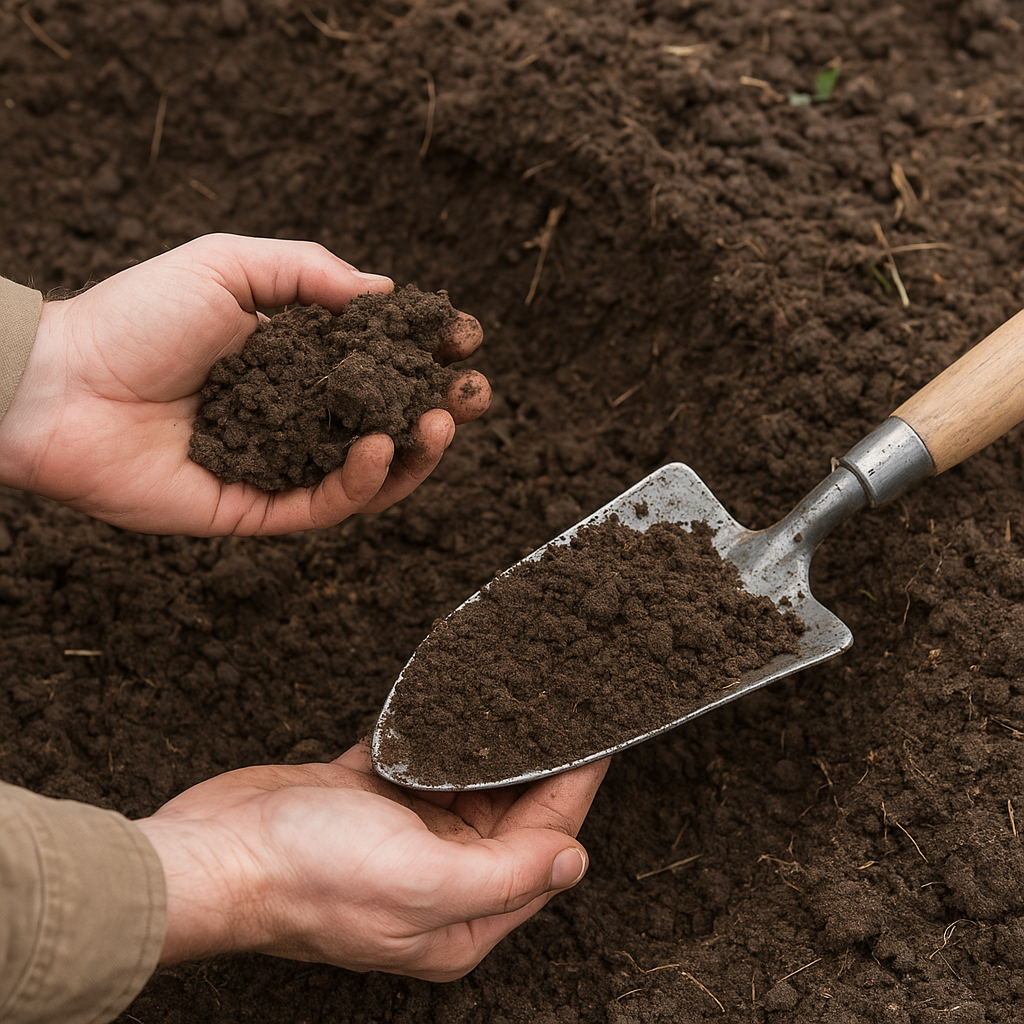
Excessively wet soil can smear, reducing pore space, while overly dry soil may shatter into clods. Use a soil moisture meter or the “hand squeeze” method: squeeze a handful—if water drips, it’s too wet; if it crumbles, it’s too dry. Aim for a target moisture range of 60–75% of field capacity to promote clean slice separation and reduce tractor slip.
Optimizing Plow Settings for Maximum Turnover
Fine-tuning your plowing equipment can make a dramatic difference in soil turnover efficiency:
Depth and Angle Adjustments
- Set plow depth at 15–20 cm for standard annual plowing; deeper for green manure incorporation.
- Adjust the tilt to achieve a 45° slice, promoting even inversion and residue burial.
- Use depth gauges or hydraulic controls to maintain consistency across varying terrain.
Slice Width and Speed Considerations
Wider slices cover more ground but demand additional horsepower. Narrower slices reduce fuel use but may require more passes. Match your tractor’s power rating with the plow’s recommended working width. Maintain speeds between 5–8 km/h for stable turnover—slower in heavy soils to prevent stalling and faster in light soils to boost productivity.
Maintaining Equipment for Consistent Performance
Reliable machinery is the backbone of efficient plowing. Neglecting maintenance can lead to uneven furrows and increased operating costs.
Regular Inspections and Repairs
- Check bolts, hitch points, and frame integrity before each season.
- Inspect share tips and moldboards for wear and replace worn parts promptly.
- Grease all moving joints weekly to prevent corrosion and binding.
Replacement of Wear Parts
Share points, coulters, and skimmers bear the brunt of soil abrasion. Schedule replacements based on operating hours or surface damage. Upgrading to wear-resistant alloys can extend service life, reduce downtime, and optimize slice formation throughout the season.
Incorporating Agronomic Practices
Complement mechanical plowing with strategic field management to enhance turnover results and foster sustainability.
Crop Rotation and Residue Management
Rotate cereals, legumes, and oilseeds to break pest cycles and improve soil structure. Use specialized residue managers or tines to distribute plant debris evenly, promoting rapid decomposition and preventing clumping. Buried residue supplies organic matter for the next crop, maintaining fertility levels.
Cover Crops and Organic Amendments
- Plant cover crops like rye or clover in fall to protect bare soil and capture nutrients.
- Incorporate well-rotted manure or compost to boost microbial activity.
- Use green manures for in situ biomass—turn them under when at peak biomass for maximum nitrogen release.
Measuring and Interpreting Turnover Efficiency
Quantifying turnover helps refine techniques and justify equipment investments.
Field Trials and Sampling
Establish small-scale trial plots with varying plow depths and speeds. After plowing, mark out sample squares (e.g., 1 m²), lift the soil blocks, and measure the volume inverted. Compare bulk density and residue coverage to identify optimal settings for your conditions.
Using Yield Data and Soil Tests
Track yield differences across fields with distinct plow management protocols. Combine yield maps with pre- and post-plow soil tests to correlate nutrient distribution, organic matter content, and moisture retention. This data-driven approach reveals how turnover directly influences crop performance and inputs efficiency.