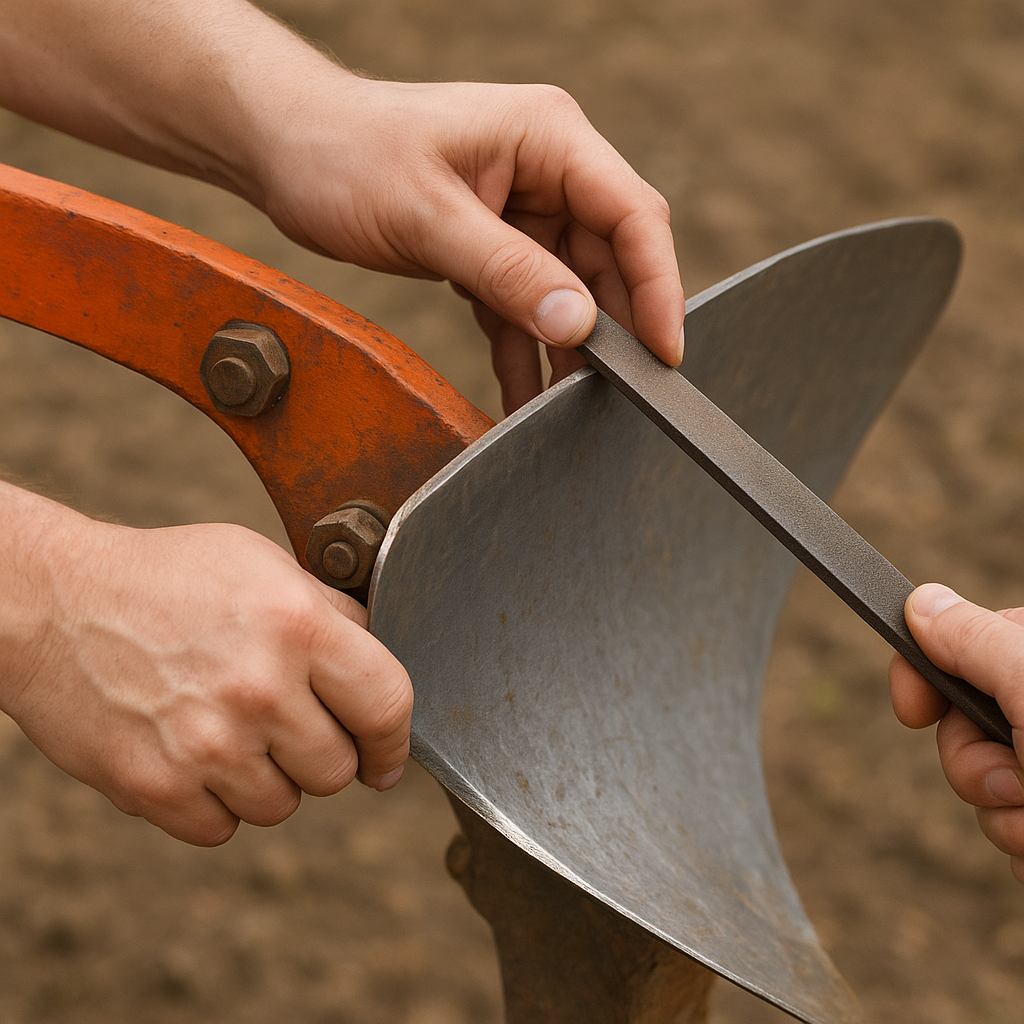
Proper care of your plow is essential to maintain its peak performance and avoid costly repairs. By following a combination of routine checks, informed operating techniques, and smart storage practices, you can significantly extend the life of your equipment. This guide provides actionable advice to keep your plow in optimal condition season after season.
Regular Maintenance and Inspection
Consistent maintenance is the backbone of plow longevity. A thorough approach helps you catch minor issues before they escalate into major breakdowns. Implementing a structured inspection routine can save both time and money in the long term.
Daily Checks
- Inspect blades for nicks, bends, or excessive wear. Sharp edges ensure efficient soil turnover.
- Examine all bolts and fasteners. Tighten loose connections to prevent parts from vibrating loose during operation.
- Look for signs of corrosion on metal surfaces. Early detection allows targeted treatment before rust spreads.
Monthly Inspection
Every few weeks, perform a deeper review:
- Check bearing assemblies for smooth rotation and absence of play. Faulty bearings increase friction and overheat.
- Assess hydraulic hoses and seals for leaks. Damaged lines can compromise your plowing system and lead to fluid contamination.
- Evaluate the frame and hitch area for cracks or fatigue. Structural soundness is critical for safe towing and consistent performance.
Regular lubrication of pivot points, joints, and moving components prevents unnecessary friction. Use a high-quality grease rated for heavy-duty agricultural machinery to ensure protection against load and moisture.
Proper Usage and Operating Techniques
Even the sturdiest plow can deteriorate prematurely if misused. Proper techniques enhance efficiency, reduce strain on components, and provide a cleaner field finish.
Depth Control
Maintaining the correct plowing depth is crucial for soil structure and equipment health. Overly deep cuts can overload the plow frame, while shallow passes waste fuel and leave unturned soil.
- Adjust depth control settings based on soil type. Loamy soils require less draft force than heavy clay.
- Use a reliable gauge wheel or skid shoes to stabilize the plow’s working depth across varying terrain.
Tractor and Plow Match-Up
Select a tractor with appropriate horsepower and weight to complement your plow. Undersized tractors struggle with traction and strain drivetrain components, while oversized units may bury the plow too deeply.
- Balance traction by adding front weights or adjusting tire ballast. Proper traction reduces slippage and wear on tires and drive train.
- Monitor your tractor’s load gauge. Operating within the recommended range ensures mechanical parts remain within safe stress limits.
Field Preparation
Well-prepared ground sets the stage for a smooth plow pass:
- Remove large rocks, fallen branches, and debris before plowing to avoid damaging the moldboards.
- Address soil moisture content. Ideal moisture prevents clods from sticking to the plow, reducing drag and energy consumption.
Optimal Storage and Seasonal Care
Proper storage is often overlooked but plays a major role in preserving your plow’s condition during downtime. Moisture, temperature changes, and pests can all contribute to deterioration if not managed.
Dry, Sheltered Environment
Store your plow under roof or inside a shed to keep it free from rain and snow exposure. Ground moisture can still rise, so place planks or concrete blocks beneath the frame to improve air circulation.
Rust Prevention
Before storing for an extended period, perform the following steps:
- Thoroughly clean all surfaces, removing mud and plant residue that trap moisture.
- Apply a light coat of anti-corrosion spray or oil to the moldboards, shares, and coulters.
- Check metal surfaces every few weeks. Reapply protection as needed, especially in humid environments.
Off-Season Maintenance
Use downtime to complete tasks that are difficult during peak season:
- Replace worn points or shares. Having fresh cutting edges in spring reduces draft force by as much as 20%.
- Rebuild or replace worn shims and bushings. Tight clearances ensure accurate alignment.
- Inspect hydraulic components for aging seals. Plan replacements before next use to avoid emergency downtime.
Upgrades, Customizations, and Long-Term Strategies
Investing in quality upgrades and following strategic practices ensures your plow evolves with your operational needs.
Enhanced Attachments
Adding specialized attachments can boost performance:
- Install high-carbon-steel shares for improved durability in abrasive soils.
- Consider skid shoes with adjustable settings, allowing quick field-to-field adjustments without tools.
- Add an underbody scraper to prevent soil buildup under the frame, reducing cleaning frequency.
Record Keeping and Performance Tracking
Maintaining a simple log of service intervals, part replacements, and field conditions can highlight patterns that inform better decision-making. Note plowing hours, soil types, and any anomalies encountered.
Professional Calibration
Periodically have your plow calibrated by a certified mechanic or dealer service. Factory settings ensure correct alignment of moldboards and shares, minimizing drift and uneven wear.
By combining regular upkeep, mindful operation, proper storage, and strategic upgrades, you’ll maximize the return on your plow investment. Each step contributes to reduced downtime, lower repair bills, and a consistently high-quality plowing job.