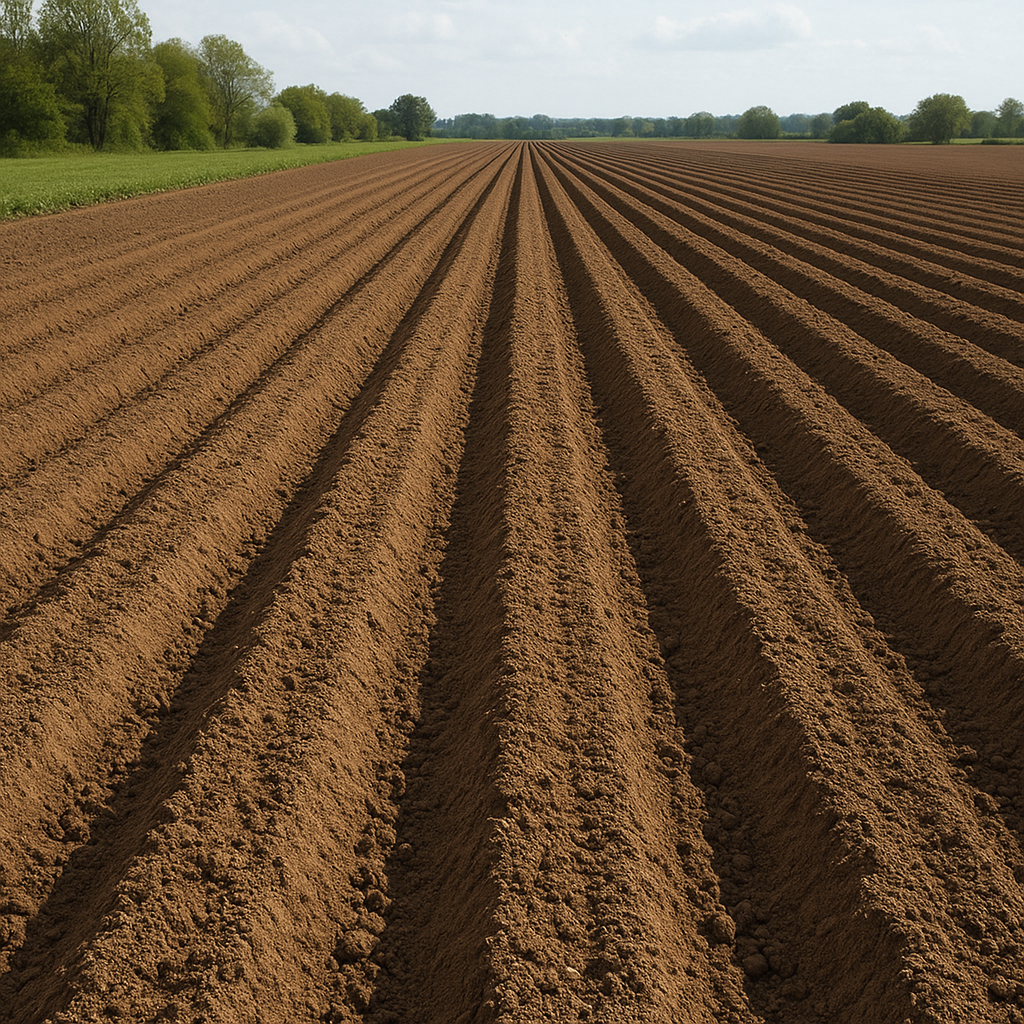
Mastering the art of plowing means achieving perfectly straight furrows that maximize water distribution, improve seed placement, and enhance overall crop yields. Whether you operate a small-scale tractor or manage extensive fields, refining your technique and understanding the underlying principles can lead you to consistent, high-quality results every time you break ground.
Understanding Soil Preparation
Before you even hitch a plow, evaluating the soil’s condition is crucial. Proper soil preparation sets the stage for precision and long-lasting field performance. Inadequate attention to soil structure can lead to uneven furrows, missed seed rows, and wasted fuel. Follow these guidelines to ensure your field is ready for straight, uniform plowing:
- Conduct a soil test to measure pH levels and nutrient content. This helps you decide if liming or fertilization is necessary before plowing.
- Remove large debris like stones, roots, and old crop residues. A clear surface reduces unexpected resistance against the plow blades.
- Ensure moisture content is optimal: too wet and the soil clogs, too dry and it crumbles unevenly. Aim for a slightly damp consistency that allows for clean slices.
- Consider pre-cultivation passes with a disc harrow to break up compacted layers and facilitate easier plow penetration.
Focusing on soil readiness will pay dividends in the form of straight lines, uniform depth, and minimal pass overlap, all of which contribute to an efficient spring planting season.
Choosing the Right Equipment
Your choice of plow and supplemental tools can make or break the outcome of each pass. Investing in reliable, well-maintained machinery ensures each furrow is consistent in both alignment and angle. Key factors when selecting equipment include:
- Plow Type: Moldboard plows create well-turned ridges, while chisel plows are better for minimal soil disturbance. Select the model that matches your field’s needs.
- Tractor Compatibility: Match the plow’s size and weight rating with your tractor’s horsepower. Overloading a tractor reduces stability and can cause drift off your intended line.
- Furrow Gauge: Using a reliable furrow gauge helps calibrate the width between furrows, guaranteeing consistent spacing across multiple passes.
- Maintenance Schedule: Regular lubrication, blade sharpening, and hardware checks preserve equipment reliability and prevent mid-operation breakdowns.
By aligning the right tractor-plow setup and maintaining your gear meticulously, you’ll lock in repeatable performance and reduce downtime.
Techniques for Straight Furrows
Creating a furrow that runs exactly where you intend it demands a combination of skill, technology, and field practices. Here are proven techniques to elevate your plowing precision:
Establishing Reference Points
First, mark a starting line using stakes or GPS-guided waypoints. This line serves as your visual anchor for every pass. If using GPS: calibration of the receiver ensures the unit provides accurate real-time positioning. For manual approaches, string lines or temporary flags can be highly effective tools.
Maintaining Consistent Speed
Variable speeds can lead to uneven furrow depths and meandering tracks. Aim for a uniform ground speed that matches the plow’s ideal operating range. Steady pacing helps the plow float smoothly through the soil, reducing the risk of jerky deviations.
Leveraging Tractor Steering Options
- Manual Steering: Keep hands firm on the wheel and focus on the reference line. Small, proactive adjustments correct drift without oversteering.
- Auto-Steer Systems: Modern tractors equipped with proficiency-driven GPS auto-steer maintain a fixed trajectory. Ensure the system is properly tuned to your field’s topography.
- Assisted Guidance: Light bars and visual indicators on the dashboard can improve your manual steering accuracy when auto-steer isn’t an option.
Using Adequate Overlap
Though your goal is to minimize redundant passes, planning for a slight edge overlap prevents gaps between furrows. Typically, a 5–10% overlap compensates for minor steering variations without wasting too much fuel or time.
Maintenance and Troubleshooting
Straight furrows are the sum of preparation, execution, and ongoing attention to detail. After each plowing session, review your performance and equipment condition to identify areas for improvement.
Post-Operation Equipment Check
- Inspect blade edges for wear or chipping. Replace or sharpen them to maintain clean soil cuts.
- Verify that the hitch components are tight and free of play; loose connections can introduce unwanted wobble.
- Review hydraulic settings and hoses for leaks, as fluid loss can impact the plow’s angle and maneuverability.
Field Performance Evaluation
Walk the field and look for irregularities such as uneven floors or skewed ridges. Document these issues and cross-reference them with your speed logs or steering settings to pinpoint root causes.
Adapting to Variable Field Conditions
Different soil types, moisture levels, and residual vegetation can alter plow behavior. Maintain a flexible approach by:
- Adjusting moldboard angles for heavier soils to avoid side drift.
- Increasing line markers on fields with wildlife disturbance or livestock traffic.
- Modifying depth controls if you encounter unexpected hardpan or compacted layers.
Ongoing field observations paired with methodical adjustments refine your operation over time. By staying vigilant and fine-tuning your approach, you ensure every pass-upholds the contour and consistency that define professional-grade furrows.