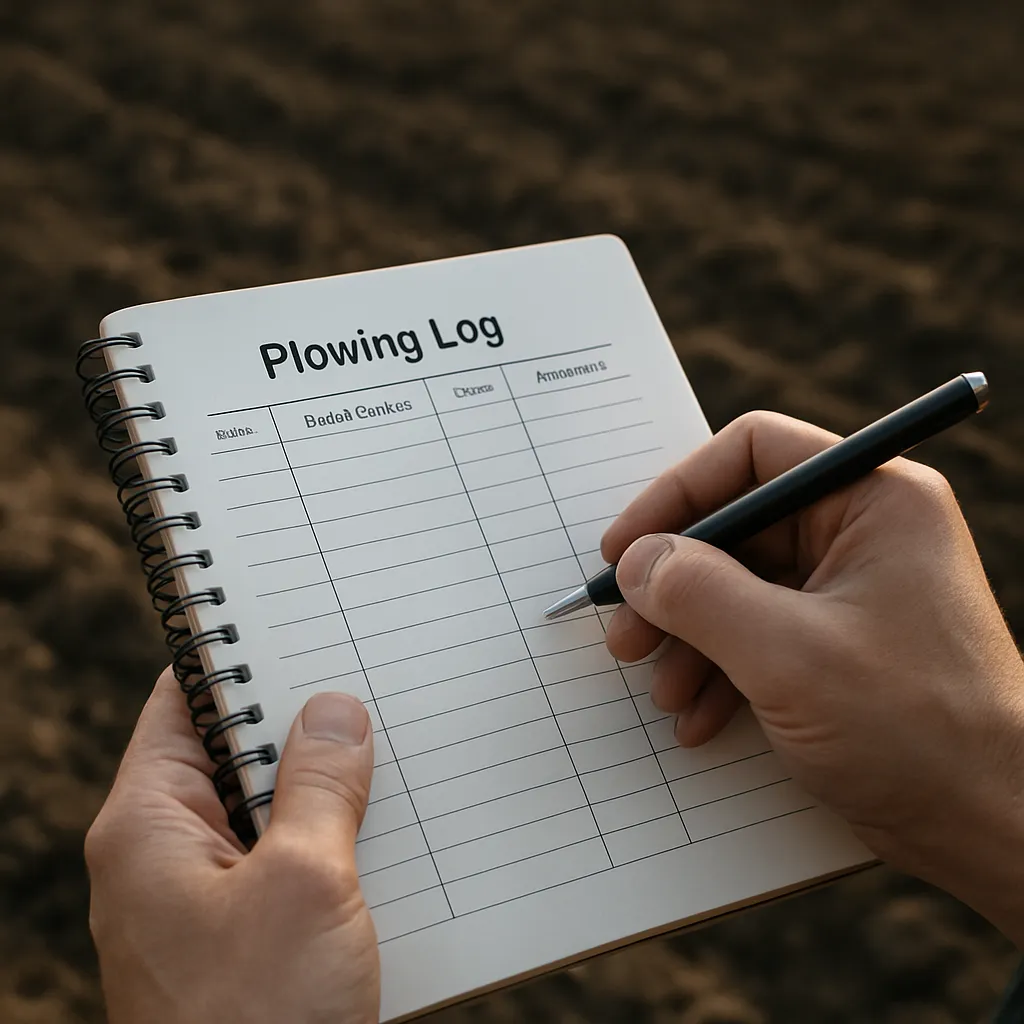
Effective plowing and meticulous logkeeping go hand in hand when it comes to maximizing field performance and safeguarding long-term soil health. Maintaining a structured plowing log can transform routine fieldwork into a strategic plan, providing invaluable insights for future seasons. Below are key strategies, techniques, and tools that help you build and sustain a comprehensive plowing record for superior results.
Preparing Your Plowing Log
Before you even fire up the tractor, it’s crucial to establish a consistent framework for recordkeeping. A well-organized log begins with deciding on the format—whether a physical notebook, spreadsheet, or dedicated app—and standardizing the layout to ensure uniform entries. Key elements to include are:
- Date of operation
- Field or plot identifier
- Soil condition notes (e.g., moisture, compaction level)
- Equipment model and settings (plow depth, width, calibration parameters)
- Weather conditions and temperature
- Operator initials and any observations
By standardizing these data points, you’ll ensure consistency across every entry. Establish a legend or key to denote field layouts and soil types so that every team member can interpret the log accurately.
Essential Plowing Tips for Optimal Soil Turnover
Proper technique directly influences both immediate results and your future entries in the plowing log. Consider these time-tested practices:
- Set the plow share to the correct depth based on soil type and moisture level.
- Monitor tractor speed to achieve a uniform finish and prevent undue stress on the equipment.
- Use color-coded or GPS-based field markers to keep straight furrows, reducing overlap and missed spots.
- Inspect plow components daily for wear; a dull moldboard can lead to uneven turning and wasted fuel.
- Adjust angle and tilt settings to handle varied soil densities—softer soils may require a shallower cut.
Each time you implement one of these tips, annotate the change in your log and compare yield results at harvest. This iterative approach will gradually refine your methodology, improving overall efficiency and soil structure.
Pre-Operation Checklist
- Verify hydraulic hoses for leaks or cracks.
- Confirm tire pressure matches manufacturer recommendations.
- Grease points and pivot joints for smooth operation.
- Calibrate depth gauge and skimmers before entering the field.
Post-Operation Review
Immediately after plowing, walk the field perimeter and record observations such as uneven furrows, leftover residue, or erosion-prone zones. These notes will populate your log’s “Field Observations” section, forming a critical feedback loop for subsequent passes.
Advanced Field Management and Rotation Records
Crop rotation and multi-year planning are vital components of sustainable farming. Integrate your plowing log with field histories to track:
- Previous crop types and yield outcomes
- Fertilizer and amendment applications
- Cover crop performance and termination dates
- Soil moisture and nutrient test results
Use a color-coded table or digital map to visualize rotations, ensuring no field is planted with the same crop consecutively. Log plowing dates alongside rotation schedules to determine optimal timings for deep subsoiling or zone tillage.
Rotation Planning Sheet Example
Include columns for year, crop, plow type, additional tillage, and soil testing findings. This snapshot delivers a holistic view of your field’s history and upcoming needs.
Integrating Technology into Your Plowing Log
Modern technology elevates traditional documentation to a dynamic asset. Consider these tools:
- GPS-enabled tractors to geo-tag every furrow for precise mapping
- Mobile apps that allow voice-to-text entry directly in the field
- Soil moisture sensors and data loggers for real-time condition tracking
- Drones and satellite imagery to verify coverage and identify problem spots
- Cloud-based platforms providing secure backup and team collaboration
Link sensor data to your log entries, creating a timeline of environmental and machine variables. An easy-to-navigate dashboard helps pinpoint correlations between technology inputs and yield improvements. Plus, instant sync features minimize manual transcription errors, bolstering your log’s accuracy.
Data Integration Tips
- Set automated thresholds for alerts—e.g., moisture below 20%—to prompt timely plowing.
- Use APIs or CSV exports to merge equipment hours with plowing tasks, simplifying maintenance schedules.
- Visualize data trends monthly, enabling quick course corrections and strategic adjustments.
Analyzing Your Plowing Data to Boost Productivity
A well-populated log is valuable only if you analyze and act upon its insights. Organize quarterly reviews focusing on:
- Average daily plowed acreage versus fuel consumption
- Trends in soil moisture and how they correlate with plowing depth
- Operator performance metrics and field-specific learning curves
- Yield data cross-referenced with plow settings and tillage patterns
- Equipment maintenance intervals relative to hours logged
Identify patterns indicating profitable fields or those requiring alternative strategies. For instance, if certain fields consistently underperform, the log may reveal the need for a deeper tillage pass or a switch to no-till for erosion control. This continuous feedback loop ensures optimal allocation of labor, time, and resources.
Key Performance Indicators (KPIs)
- Plowing speed versus uniformity score
- Fuel use per acre plowed
- Number of unplanned maintenance events
- Yield increase percentage post-log adjustments
By converting raw entries into actionable intelligence, you enhance both the short- and long-term vigor of your fields. The disciplined approach of plowing log management not only supports greater yields, but also promotes sustainability, cost savings, and a proactive maintenance regimen. Embrace these practices, and watch as your farm operations become more agile, data-driven, and ready to tackle any agricultural challenge.