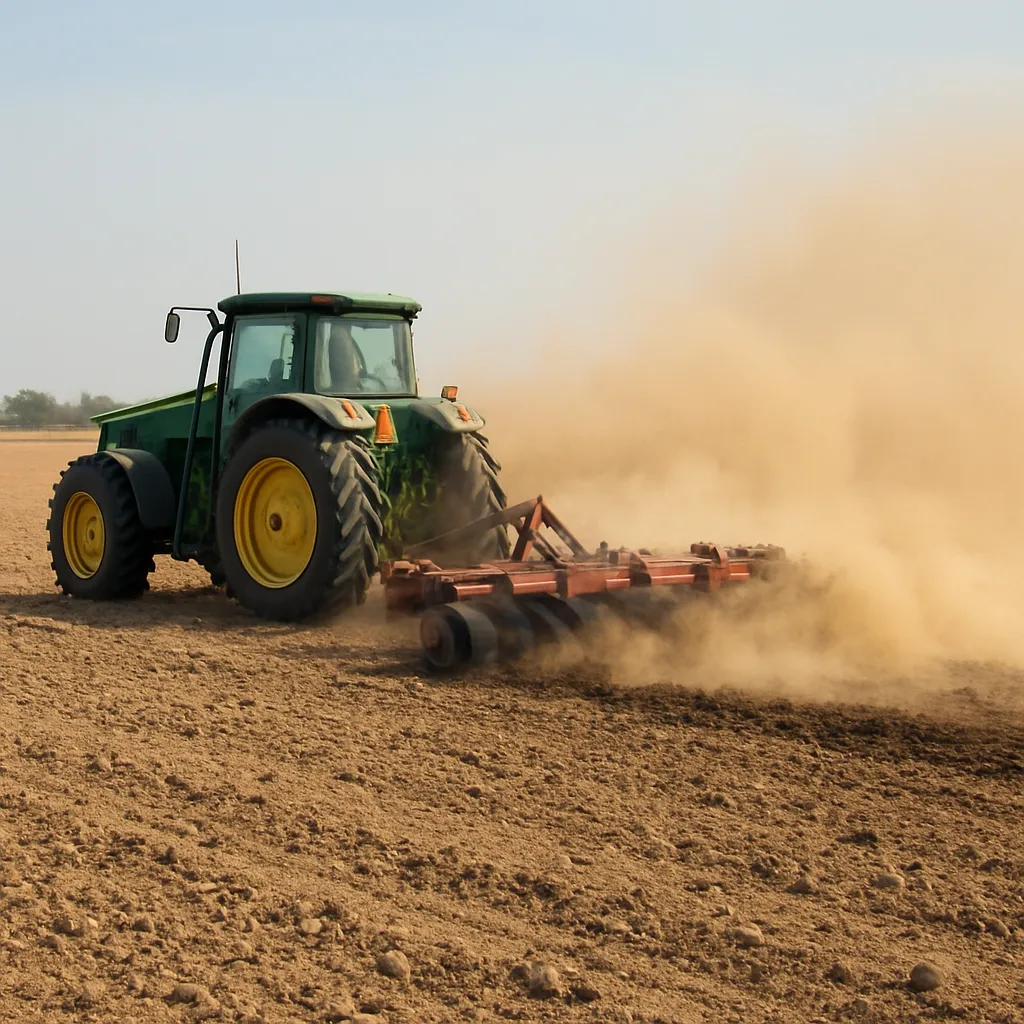
Maintaining clear visibility and protecting the topsoil are crucial when plowing dry fields. Excessive dust not only reduces air quality but can also degrade precious nutrients and hamper seed germination. By adopting targeted strategies, farmers can minimize airborne particles, conserve moisture, and promote healthier crops. This guide explores proven techniques to keep dust under control without sacrificing efficiency.
Balancing Soil Moisture Levels
Proper moisture management is the foundation for reducing dust during plowing. Dry, powdery soil easily turns into fine particles that drift with every pass of the plow. Introducing or retaining moisture creates clumps that resist wind erosion.
Pre-Irrigation Tactics
- Timing: Schedule light irrigation 12–24 hours before tillage to allow even water penetration without creating a muddy mess.
- Coverage: Use low-pressure, wide-angle nozzles to distribute water uniformly. This prevents over-wet spots that can clog plowshares.
- Volume Control: Apply just enough water to reach 2–3 inches below the surface. Excessive wetting wastes resources and can delay field operations.
Soil Amendments for Retention
Incorporating organic materials and specific amendments can boost the soil’s capacity to hold water:
- Compost: Adding 1–2% compost by weight improves structure and water retention.
- Biochar: A small percentage of biochar increases porosity and moisture-holding capacity.
- Polymers: Biodegradable soil conditioners can be applied to trap moisture during peak dryness.
Optimizing Plow Settings and Operational Practice
Beyond moisture, the way you adjust your equipment has a direct impact on dust generation. Fine-tuning aspects such as depth, speed, and angle can reduce soil fragmentation.
Depth and Angle Adjustments
- Shallow Cutting: When conditions are extremely dry, reduce plow depth by 10–20% to avoid excessive pulverization.
- Angle of Attack: A shallower angle can create larger clods, which are less likely to become airborne dust.
- Moldboard vs. Chisel: Moldboard plows invert the soil completely, while chisel plows leave some residue on top. Consider the residue to shield soil from wind.
Speed Management
Operating at an optimal speed is a balance between efficiency and dust control:
- Moderate Pace: Maintain forward speed in the range of 4–6 mph. Higher speeds break soil into finer particles.
- Consistent RPM: Keep tractor RPM stable to prevent sudden jolts that fragment soil.
- Overlap Rows: A slight overlap reduces gaps where loose dust can accumulate and blow away.
Implementing Dust Suppression Techniques
To further tackle airborne particles, consider supplemental methods that actively bind dust or block its path.
Surface Sprays and Binding Agents
- Water Sprays: Attach spray nozzles to the plow frame for on-the-fly misting. Use fine droplets to settle dust without waterlogging the soil.
- Calcium Chloride: This hygroscopic salt draws moisture from the air, forming a crust on dry aggregates.
- Lignosulfonates: By-products of wood processing coat particles and reduce their ability to become airborne.
Physical Barriers and Windbreaks
Windbreaks can intercept dust before it leaves the field:
- Straw Bales: Arrange along the downwind edge. They absorb dust and protect adjacent fields.
- Living Windbreaks: Rows of shrubs or trees planted at strategic points can reduce wind speed by up to 50%.
- Cover Crops: Maintaining a thin cover crop residue between plow passes traps dust particles.
Maintaining Equipment and Field Conditions
Consistent maintenance and proactive field checks ensure your dust control measures remain effective.
Regular Plow Inspection
- Blade Sharpness: Dull blades tear instead of slice, creating more fines. Sharpen moldboards and shares at recommended intervals.
- Frame Alignment: Misaligned components cause uneven soil disturbance, leading to patches of ultra-fine particles.
- Lubrication: Keep moving parts well-lubricated to avoid jerky movements that pulverize soil.
Field Monitoring
- Soil Testing: Check moisture levels and particle size distribution before each plow session.
- Weather Tracking: Avoid plowing during high winds or extreme drought. Early morning or post-irrigation windows are ideal.
- Visual Inspection: Walk the perimeter after each pass to identify zones needing extra suppression efforts.
By integrating these strategies—focusing on moisture, machine settings, supplemental sprays, and routine maintenance—dust generation during plowing can be dramatically reduced. Cleaner operations lead to healthier **crops**, improved visibility, and a more sustainable approach to soil management.