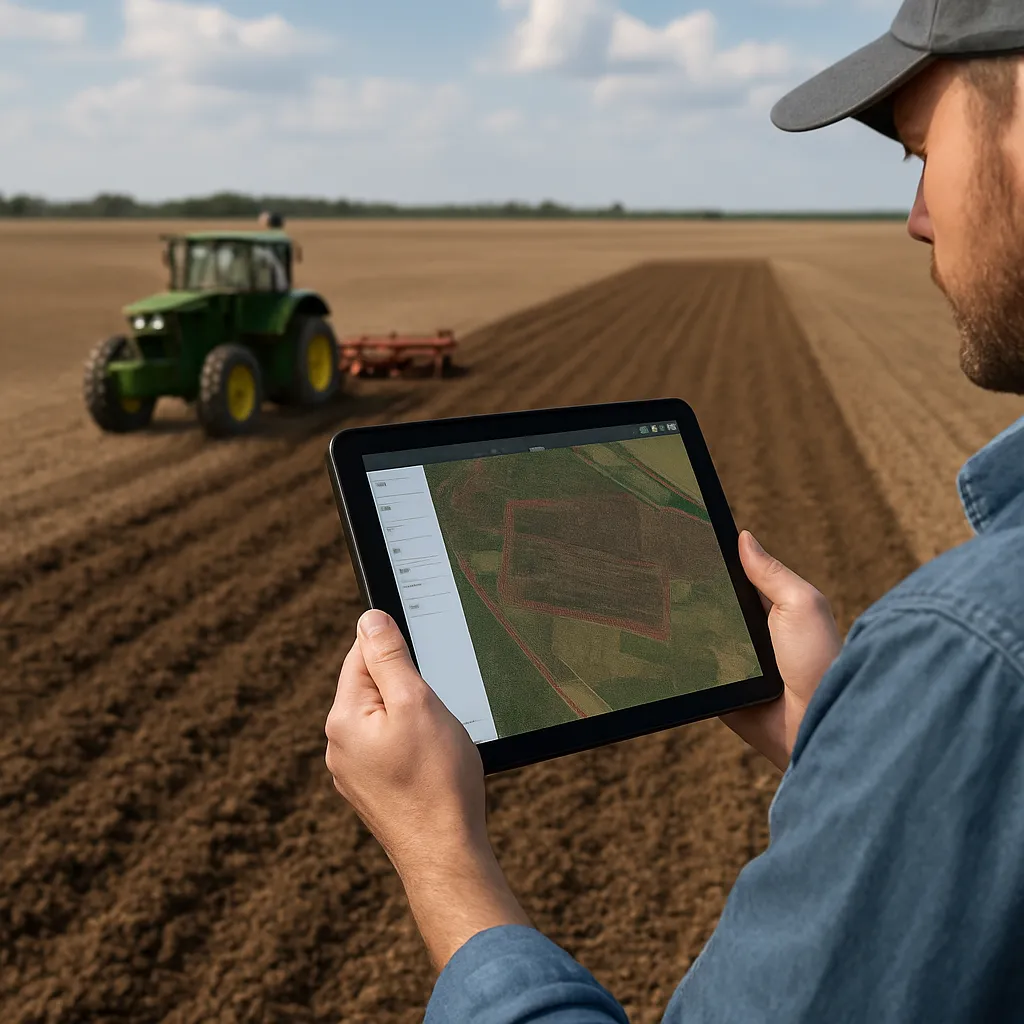
Effective plowing sets the foundation for a successful crop cycle. By combining traditional agricultural techniques with cutting-edge farm management software, farmers can achieve unprecedented levels of precision and efficiency. This article explores practical plowing tips and demonstrates how to leverage digital tools to monitor and optimize your plowing progress, ensuring healthier soil, improved productivity, and higher yield potential.
Equipment Preparation and Maintenance
Proper maintenance of your plow and tractors is essential to maintain consistent furrow depth and reduce downtime. Before heading to the field, conduct a thorough inspection:
- Blade Sharpness: Dull blades can tear soil instead of cutting it cleanly. Regularly sharpen or replace plow shares for uniform penetration.
- Hydraulic Systems: Examine hoses, fittings, and fluid levels. Leaks or low pressure can prevent accurate depth control.
- Tire Pressure: Evenly inflated tires ensure stable traction. Uneven pressure may cause the tractor to drift, affecting straight-line accuracy.
- GPS and Sensors: Calibrate any built-in GPS units or angle sensors to maintain field boundary alignment and avoid overlapping passes.
Routine checks not only prevent unexpected breakdowns but also prolong the lifespan of your equipment and safeguard against costly repairs.
Mapping Fields and Planning Routes
Before plowing begins, farm management software enables you to create detailed field maps, which form the basis for route planning:
- Field Boundaries: Use satellite imagery or drone captures to delineate exact field perimeters. This ensures you stay within legal property lines and protects sensitive areas.
- Soil Zones: Segment your land into zones based on soil type, moisture content, and fertility. Tailor depth settings and speed adjustments accordingly.
- Route Optimization: Software can compute the most efficient paths, minimizing turns and headlands. This reduces fuel consumption and soil compaction.
- Obstacle Identification: Mark areas with tree roots, rocks, or waterlogged patches. By avoiding these zones, you decrease wear on equipment and reduce safety risks.
With a well-planned route, you free your mind to focus on real-time adjustments and field conditions, rather than worrying about navigation.
Real-Time Monitoring and Data Collection
During plowing, live data feeds into your farm management platform, offering insights into progress and performance metrics:
- Coverage Maps: Visual overlays indicate which sections of the field have been plowed, helping you detect gaps or overlaps immediately.
- Depth Tracking: Sensors relay continual readings on furrow depth, allowing instant calibration to maintain consistency across varying terrains.
- Speed Monitoring: Tractor velocity impacts soil turnover. The software flags deviations from the ideal speed range, so you can accelerate or decelerate to optimize plow action.
- Fuel Consumption: Track real-time fuel usage per hectare, identifying areas where adjustments in route or settings could yield substantial savings.
Data collected in real time empowers you to make informed decisions, ensuring that every pass contributes to an overall strategy of sustainability and cost-effectiveness.
Post-Plowing Analysis and Adjustments
Once the mechanical work is complete, reviewing performance data offers opportunities for improvement:
- Yield Correlation: Compare plowing depth and pattern data against previous harvest yields to identify the optimal settings for each soil zone.
- Soil Health Metrics: Integrate results from soil tests—such as organic matter content and moisture retention—to refine your plowing approach.
- Time Study: Analyze the time taken for each field segment. Identify bottlenecks, such as frequent turns or overlaps, and adjust your route plan for future jobs.
- Equipment Wear Reports: Assess maintenance logs alongside usage data. Plan service intervals based on actual operational hours rather than arbitrary schedules.
This thorough review process creates a feedback loop that enhances predictability and reduces guesswork in subsequent planting seasons.
Integrating Plowing Data with Overall Farm Management
To maximize the value of plowing insights, integrate them with your overarching farm strategy:
- Crop Rotation Planning: Use plowing depth and soil condition data to decide the best rotation sequences, boosting nutrient cycling and pest suppression.
- Irrigation Scheduling: Correlate furrow spacing and soil moisture readings to optimize water distribution—yielding better root development.
- Fertilizer Application: Match fertilizer prescription maps to plowed zones, ensuring precise nutrient delivery and minimizing environmental runoff.
- Harvest Forecasting: Predict yield more accurately by combining plowing performance metrics with growth stage data, improving market timing and logistics.
By centralizing all farm activities and data in one platform, you create a cohesive analytics environment that elevates decision-making across the entire operation.
Advanced Tips for Maximizing Plowing Outcomes
Seasoned farmers and agronomists recommend additional tactics to get the most from your plowing system:
- Implement variable-depth plowing based on terrain slope to maintain water runoff control and prevent erosion.
- Combine plowing events with organic amendments in the same pass to accelerate nutrient integration.
- Leverage machine learning modules in advanced software to predict soil behavior and suggest ideal plow settings under changing weather conditions.
- Schedule periodic drone flights post-plow to verify uniform seedbed structure before planting.
These nuanced strategies, when combined with robust farm management software, drive continuous improvement and enhanced resilience in your cropping system.