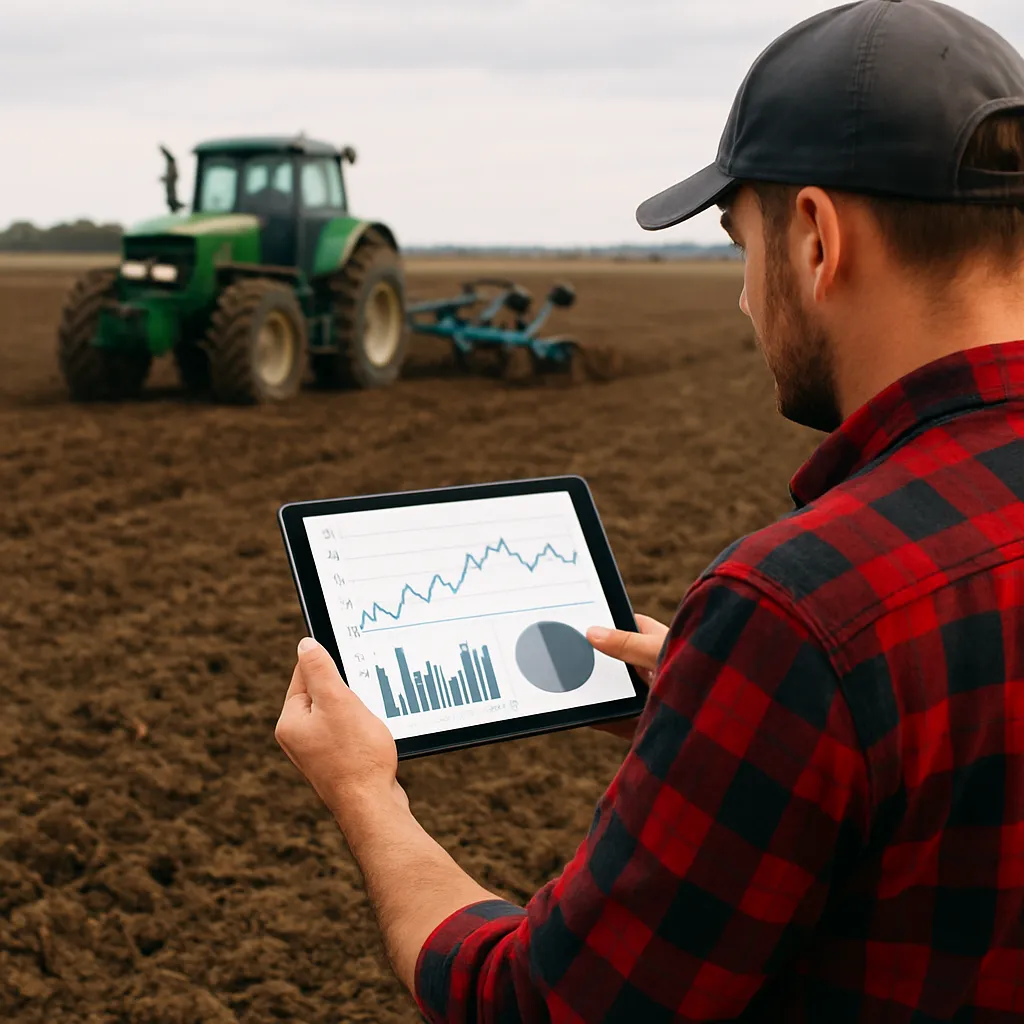
Successfully managing plowing operations hinges on gathering accurate and timely information. Farmers who implement systematic methods to record soil conditions, equipment performance, and field coverage can reveal patterns that lead to enhanced productivity and reduced costs. This article lays out practical advice to capture, organize, and interpret your plowing data, ensuring every pass of the tractor counts toward more efficient fieldwork.
Establishing Objectives and Key Performance Indicators
Before adopting any tracking method, define clear objectives that align with your farm’s broader goals. Whether you aim to boost output per acre, decrease fuel consumption, or minimize equipment wear, precise targets guide meaningful data collection.
Identifying Essential Metrics
- Area Coverage: Record the total acres plowed per hour to assess time management.
- Fuel Use: Track gallons used per acre to gauge efficiency in real time.
- Soil Conditions: Log moisture levels and texture to refine pass depth settings.
- Equipment Runtime: Monitor hours of operation to schedule maintenance proactively.
Setting Realistic Targets
Use historical data or neighbor benchmarks to set attainable goals. For instance, if your average plowing rate is 10 acres per hour, aim first for a 5% improvement. Mark milestones and review progress weekly to stay on track.
Choosing the Right Tools for Data Collection
Modern technology offers a variety of solutions to gather and store field data. Selecting the right combination of hardware and software can make all the difference in tracking and analysis.
GPS Guidance and Mapping Systems
Integrate a reliable GPS-based guidance system with your tractor. These devices automatically log field boundaries, paths taken, and identify overlaps or missed spots. Key advantages include:
- Accurate mapping of every pass
- Real-time alerts for off-target driving
- Exportable files for post-season review
Onboard Displays and Telematics
Consider installing a display console that aggregates sensor inputs—engine load, speed, depth control—into a unified dashboard. Telematics units also transmit data to cloud platforms, offering remote access and cumulative reporting tools.
Manual Logs and Mobile Apps
Where budgets are tight, simple notebooks or smartphone apps can suffice. Look for mobile solutions that allow you to:
- Enter field details on the go
- Attach photos or voice notes
- Sync with a central database when connectivity permits
Implementing Best Practices in Data Recording
Accurate data hinges on consistency and attention to detail. Adopt standardized protocols that your operators can follow reliably.
Calibration and Setup
- Depth Calibration: Verify plow depth settings at the start of each day to ensure uniform furrow depths.
- GPS Alignment: Perform a quick calibration check before entering each field to avoid mapping errors.
- Sensor Verification: Inspect cables and connections for moisture or damage to maintain performance accuracy.
Routine Checks and Documentation
Create a pre-operation checklist covering tractor maintenance, sensor calibration, and data device readiness. Encourage operators to:
- Record weather and soil observations
- Note deviations from planned routes
- Capture any equipment anomalies immediately
Data Backup Strategies
Protect your records from loss by implementing a dual backup system:
- Local backups on SD cards or USB drives
- Cloud-based storage with automated syncing
Analyzing and Leveraging Plowing Data
Collecting raw figures is only half the battle. Turning numbers into actionable insights drives continuous improvement.
Processing and Visualization
Import your logs into spreadsheet or specialized farm management platforms. Generate charts to track trends in:
- Yield correlation with plow depth
- Fuel efficiency versus field size
- Time lost to equipment downtime
Identifying Improvement Opportunities
Comparative analysis can reveal subtle inefficiencies. For example, mapping the same field under different soil conditions can highlight the ideal moisture threshold for minimal passes and maximum soil turnover.
Fine-Tuning Operations
- Adjust plow angle to handle rocky sections more smoothly
- Modify tractor speed to optimize the balance between fuel consumption and furrow quality
- Schedule maintenance during off-peak intervals identified by reduced productivity periods
Advanced Techniques for Enhanced Productivity
For ambitious growers, integrating additional data layers can push productivity to the next level.
Soil Sensor Integration
Install in-field probes to continuously measure moisture, temperature, and nutrient content. Combining these readings with your plowing data aids in planning optimal planting windows and input applications.
Predictive Analytics and Machine Learning
High-end farm management platforms now offer predictive modules that forecast the best plowing schedules based on weather forecasts and historical performance. Over time, these systems learn which settings yield the best outcomes in different conditions.
Collaboration and Benchmarking
- Join local grower networks to compare metrics and share insights.
- Use anonymized data pools to establish regional performance standards.
- Participate in cooperative extension programs for tailored advice.