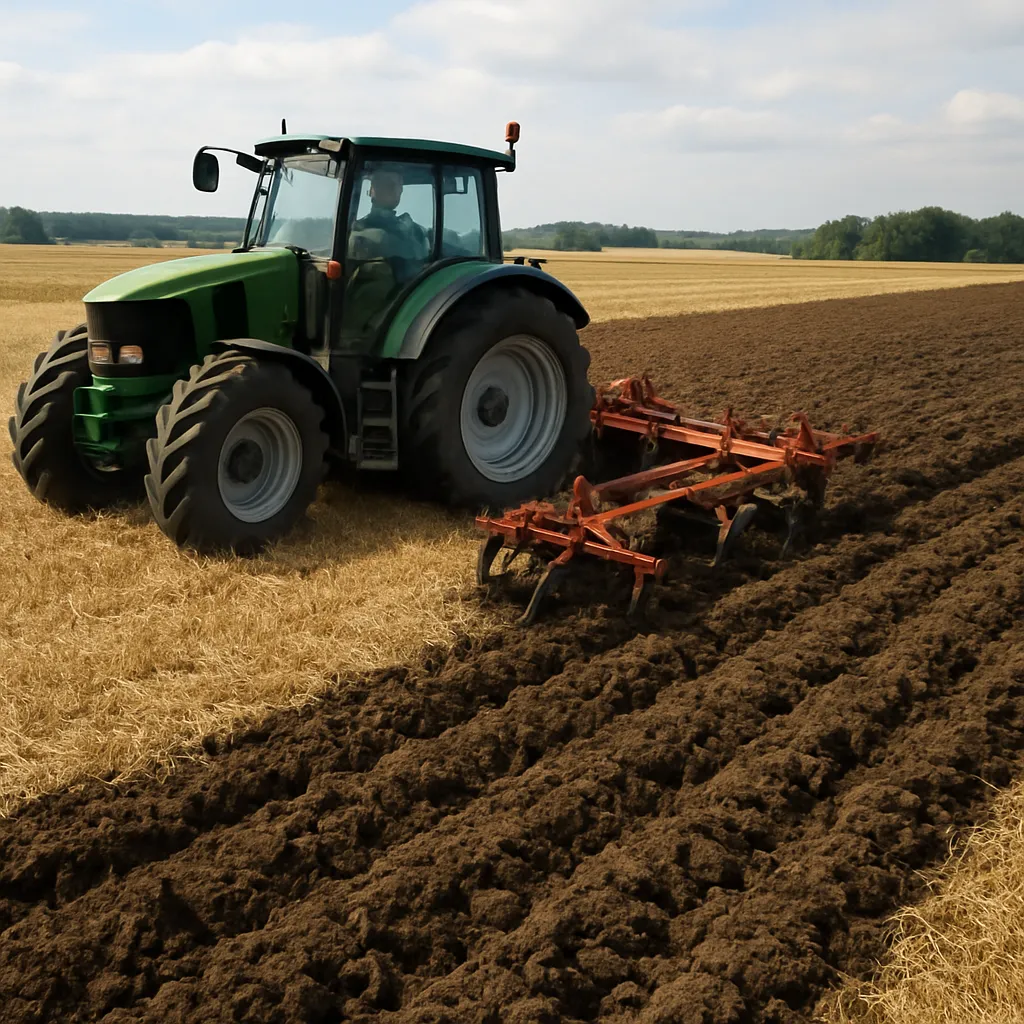
Transitioning to conservation plowing methods represents a significant shift toward more sustainable farming practices. By adopting strategies that prioritize soil health and erosion control, growers can ensure long-term productivity while protecting vital natural resources. This article offers practical guidance and actionable tips for making a successful transition, covering essential principles, detailed planning steps, and hands-on implementation techniques.
Understanding Conservation Plowing Principles
Before embarking on the transition, it’s crucial to grasp the core concepts that underpin conservation plowing. These principles guide decision-making and help farmers evaluate whether specific methods align with their goals and environmental conditions.
Core Benefits
- Soil Health: Conservation plowing minimizes soil disturbance, enhances microbial activity, and builds organic matter over time.
- Moisture Retention: Leaving crop residues on the surface reduces evaporation and improves water infiltration.
- Carbon Sequestration: Less intensive tillage leads to greater carbon storage in the soil, mitigating greenhouse gas emissions.
- Erosion Control: Residue cover protects bare soil from wind and water erosion, preserving topsoil and fertility.
- Biodiversity: Diverse cover crops support beneficial insects, earthworms, and other organisms that contribute to a resilient agroecosystem.
Key Techniques Compared
- No-Till: Eliminates plowing entirely, relying on specialized drills to plant seeds directly into undisturbed soil.
- Strip-Till: Targets tillage to narrow bands where crops will grow, preserving residue between rows.
- Ridge Till: Creates raised planting beds, combining minimal tillage with improved drainage and temperature management.
- Reduced-Till: Lowers the frequency or depth of tillage operations compared to conventional rototilling.
Planning the Transition
A well-defined plan reduces risk and accelerates the adoption of conservation plowing. Key considerations include equipment, crop rotation, soil testing, and risk management strategies.
Equipment Assessment
Repurposing or upgrading machinery is often required:
- No-Till Planter: Ensure seed drills have residue-clearing coulters and adequate downforce.
- Strip-Till Bars: Retrofit existing tillage tools with coulters and row cleaners to minimize disturbance.
- Residue Management: Rollers or crimpers help flatten cover crops and distribute residue evenly.
- GPS Guidance: Auto-steer technology reduces overlap and optimizes field coverage, making conservation patterns more precise.
Soil and Field Evaluation
Accurate data on field conditions informs the choice of conservation method.
- Soil Texture and Structure: Sandy soils may require gentler approaches to prevent crusting, while clay soils benefit from better drainage strategies.
- Organic Matter Levels: High-residue fields can handle no-till more easily than low-organic sites, which may need gradual residue buildup.
- Topography: Sloping fields demand stricter residue management to control runoff; contour farming can complement conservation plowing.
- Prior Crop History: Fields with compacted subsoil layers might require initial deep ripping before adopting no-till long term.
Crop Rotation and Cover Crops
Integrating diverse rotations and cover crops maximizes the benefits of reduced tillage:
- Legumes: Red clover and vetch fix nitrogen, reducing fertilizer needs for subsequent cash crops.
- Grasses: Rye and cereal grains develop fibrous roots that stabilize soil and scavenge remaining nutrients.
- Brassicas: Mustard and radish penetrate compacted layers, improving water flow and root channels.
- Mixtures: Multi-species cocktails create a variety of rooting depths and residue types, boosting biodiversity.
Implementation and Best Practices
Once planning is complete, follow a step-by-step approach to ensure a smooth rollout and to adapt as you gather field-level feedback.
Step 1: Pilot Plots
Test small sections of your field before scaling up:
- Choose areas representing different soil types or slopes.
- Record baseline metrics such as erosion rates, moisture levels, and yield.
- Monitor changes closely and adjust residue rates, planting depth, or equipment settings.
Step 2: Residue Management
Effective residue handling is essential for erosion control and seedling emergence:
- Calibrate coulter spacing and pressure to cut through debris without burying seeds too deeply.
- Use row cleaners or brushes to expose a seedbed zone while keeping residue between rows intact.
- Adjust planting speed; slower travel ensures consistent seed placement in high-residue conditions.
Step 3: Weed and Pest Control
Reduced tillage often shifts the weed and pest dynamics:
- Pre-apply cover crops as a living mulch to suppress weeds before planting.
- Follow an integrated pest management plan incorporating crop rotation, biological controls, and targeted herbicide use.
- Scout fields regularly to detect early pest and disease outbreaks, reducing reliance on broad-spectrum chemicals.
Step 4: Nutrient Management
Conservation plowing alters nutrient distribution:
- Switch from broadcast to banded fertilizer applications to place nutrients closer to the root zone.
- Leverage legume rotations to reduce synthetic nitrogen inputs.
- Soil test in the fall and spring to track changes in organic matter and essential nutrients.
Monitoring Progress and Continuous Improvement
Long-term success relies on diligent tracking, data analysis, and adaptation:
Data Collection Tools
- Yield monitors and tractor telematics provide real-time feedback on performance variations.
- Soil moisture sensors and cover crop biomass measurements indicate water dynamics and residue growth.
- Periodic soil sampling evaluates carbon sequestration, nutrient status, and structure improvement.
Adjustments and Scaling Up
- Use insights from pilot plots to refine equipment settings and residue amounts.
- Expand conservation practices progressively, incorporating more acreage each season.
- Engage with local extension services and farmer networks to exchange experiences and troubleshoot challenges.
Economic and Environmental Returns
While initial investments may be higher, long-term benefits include:
- Reduced Fuel Costs: Fewer passes over the field save on diesel and equipment wear.
- Improved Yields: Enhanced moisture retention and soil fertility drive consistent crop performance.
- Environmental Credits: Some regions offer incentives or carbon credits for verified conservation practices.
- Stronger resilience to extreme weather events thanks to healthier, better-structured soils.