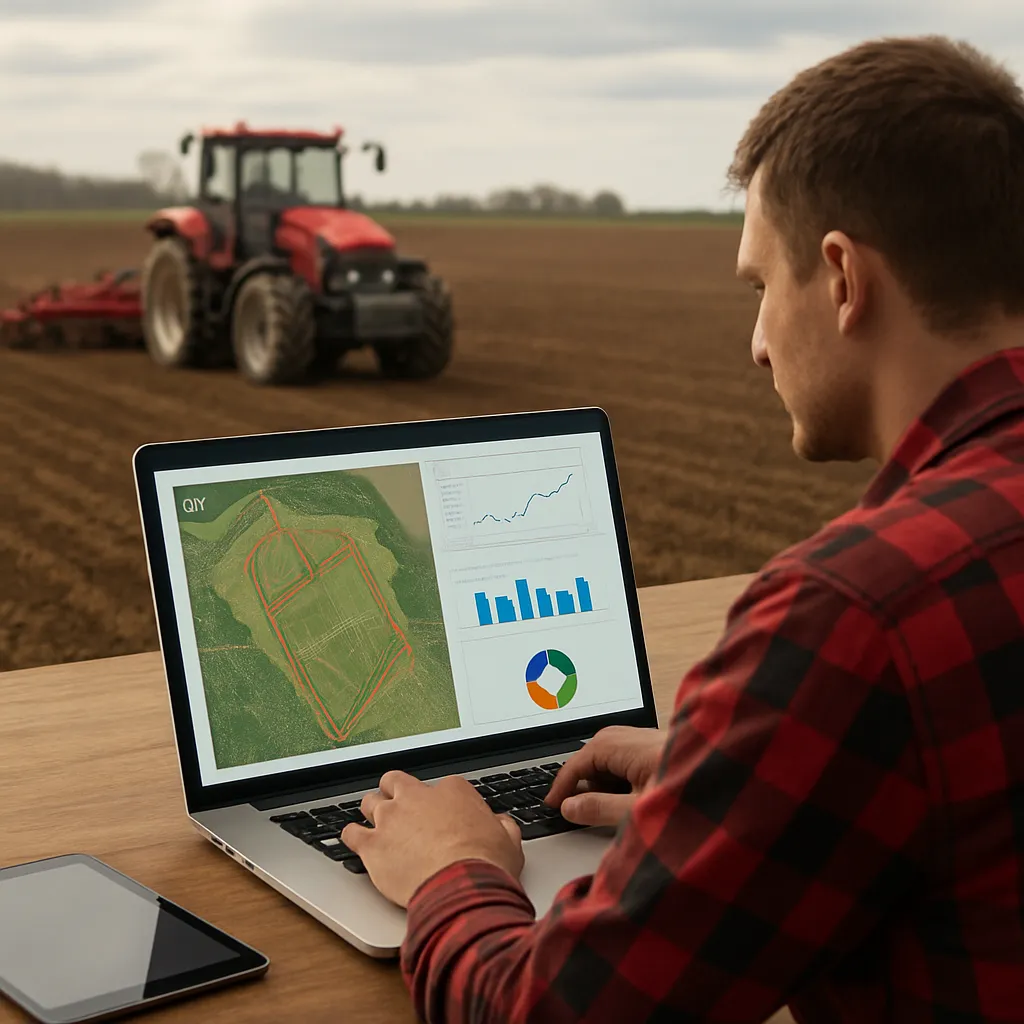
Integrating advanced technologies has revolutionized the way farmers approach soil preparation. By leveraging artificial intelligence, modern plowing operations can achieve unmatched precision and efficiency, while reducing fuel consumption and improving overall field health. This guide explores how to employ AI-driven tools to craft data-rich, adaptive strategies that elevate every stage of plowing, from initial data analysis to real-time adjustments.
Harnessing Multi-Source Data for Effective Plowing Plans
Successful plowing starts with a comprehensive understanding of field conditions. AI-based platforms ingest diverse datasets—satellite imagery, soil moisture readings, historic yield maps, and weather forecasts—to generate actionable insights. Combining these inputs through algorithmic models allows intelligent prediction of soil compaction zones, moisture variability, and nutrient distribution.
Key steps in preparing your data-driven plan:
- Collect high-resolution sensor data: Soil probes and IoT devices measure moisture, acidity and organic content across multiple grid points.
- Integrate remote sensing: Multispectral satellite imagery reveals crop residue patterns and compaction risks left from prior operations.
- Incorporate weather trends: AI algorithms leverage historical and forecasted conditions to schedule plowing when soil structure is optimal yet not overly saturated.
- Leverage yield history: Past performance maps guide depth settings in areas of high or low productivity potential.
By unifying these layers, an AI tool constructs a predictive soil profile, recommending precise plow blade depth and width for each sector. As a result, resource deployment becomes tailored to on-the-ground needs, leading to improved seedbed conditions and potential cost savings.
Choosing the Right AI Platform
Not all AI solutions offer equal functionality. Evaluate platforms on these criteria:
- Data integration flexibility: Supports CSV, GeoTIFF, IoT streams, and APIs.
- Model transparency: Clear explanations of how recommendations are derived.
- Cloud vs. edge deployment: On-board computation for low-latency adjustments or cloud-based for heavy analytics.
- User interface: Intuitive dashboards with customizable layers and performance metrics.
Prioritizing these features ensures seamless integration into existing workflows and machinery, boosting your operation’s agility.
Optimizing Field Mapping and Route Selection
Once data inputs are consolidated, mapping and route optimization become the focus. AI-driven field mapping tools translate soil condition maps into efficient plowing patterns that minimize overlap and turns, cutting down on wasted fuel and time.
Main benefits of AI-guided route planning:
- Minimized headland complexity: Automated coverage plans reduce non-productive travel.
- Contour-adaptive passes: Adjusted paths preserve natural water drainage and limit erosion.
- Dynamic depth adjustment: Real-time sensor feedback refines plow settings on the go.
Implementing Route Optimization Algorithms
Advanced algorithms such as genetic algorithms, ant colony optimization, and particle swarm techniques help determine the most optimization-driven plow patterns. These methods examine thousands of path scenarios, selecting the optimal sequence that balances coverage, energy consumption and soil health.
Steps to deploy route optimization:
- Upload field boundary coordinates and obstacle locations (e.g., trees, irrigation equipment).
- Define machine parameters: plow width, turning radius, maximum speed.
- Run optimization engine: Evaluate and visualize multiple route options.
- Export GPS guidance: Transfer the approved route directly to the tractor’s navigation system.
With this approach, operators gain confidence that every pass is purposeful, reducing compaction and avoiding redundant overlaps. The result is increased productivity and better preservation of soil structure.
Predictive Maintenance and Real-Time Adjustments
Beyond planning, AI tools empower continuous monitoring and proactive maintenance. By analyzing operational data streams—engine load, hydraulic pressure, vibration patterns—machine learning models can predict wear and tear on critical components before breakdowns occur.
Benefits of automation in maintenance:
- Reduced downtime: Early alerts prevent unexpected failures in the field.
- Extended equipment life: Timely servicing based on actual usage rather than fixed schedules.
- Safety enhancements: Monitoring high-stress events to avoid overload and potential accidents.
Leveraging Telemetry for In-Field Corrections
In-cab displays linked to AI dashboards provide live feedback during plowing. Operators receive suggestions to modify depth, speed, or hitch height in response to shifting soil conditions. This real-time coaching ensures uniform tillage quality and maximizes resource use.
- Adaptive depth control: Automatic adjustments maintain target tillage depth across variable soil densities.
- Speed recommendations: Modulate tractor speed to balance traction and power draw.
- Blade angle optimization: Enhance residue mixing and reduce slugging in sticky soils.
By closing the loop between planning, execution, and feedback, farms can achieve continuous process improvement. Data collected during operations refine future AI models, fostering a cycle of escalating sustainability and performance gains.
Enhancing Soil Health and Long-Term Farm Strategy
Effective plowing extends beyond a single pass; it influences soil structure and fertility over seasons. AI tools evaluate the impact of different tillage regimes on organic matter retention and compaction rates, guiding strategic decisions on crop rotation and cover cropping.
Key strategic insights provided by AI:
- Long-term compaction risk analysis: Predict zones requiring occasional deep ripping.
- Residue management plans: Optimize incorporation of plant material to enrich topsoil.
- Soil carbon tracking: Estimate carbon sequestration to support environmental stewardship goals.
With these capabilities, growers can align everyday plowing tasks with broader objectives—maximizing yield, reducing inputs, and improving ecosystem health. AI-driven planning enables a shift from reactive fieldwork to deliberate, data-backed decision-making that drives sustainable growth.