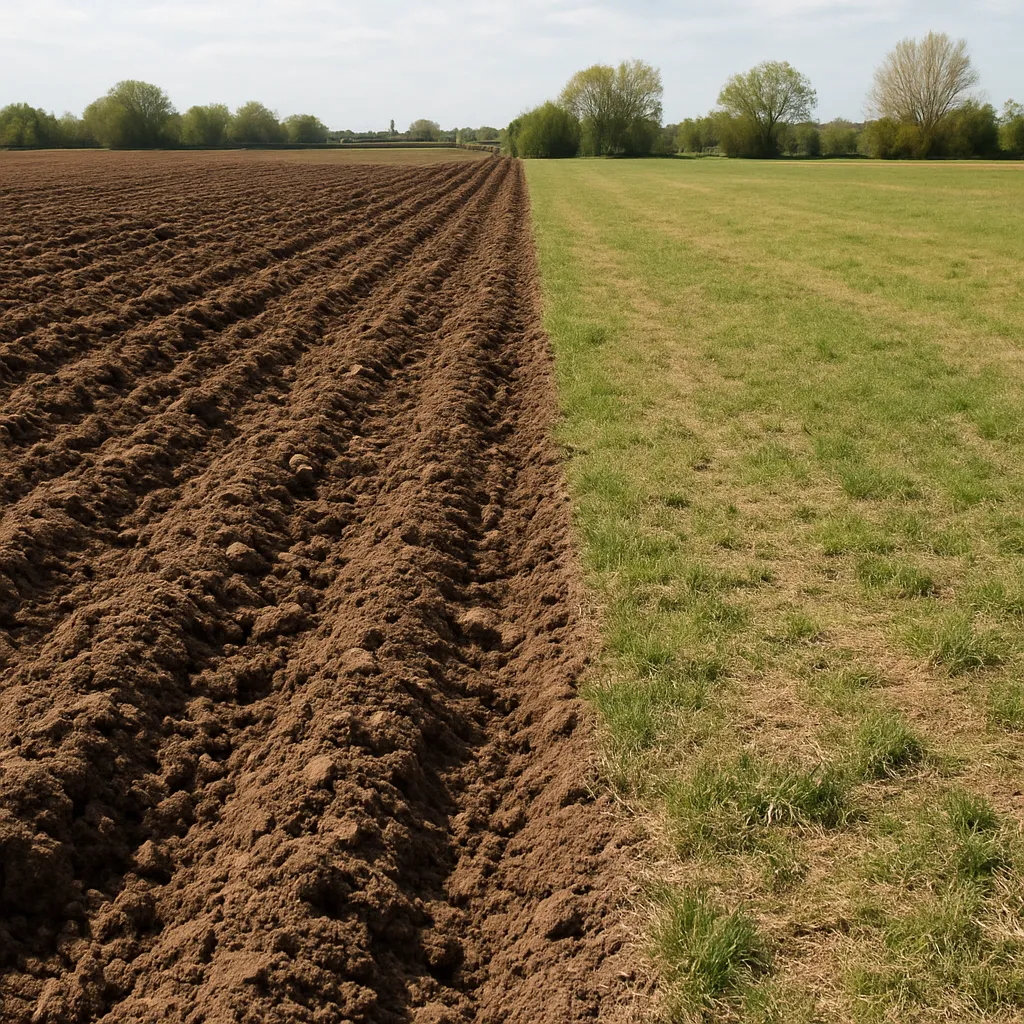
Replanting a field after plowing requires careful planning and execution to ensure optimal crop growth and long-term soil health. By following key guidelines on assessing the land, amending the soil, selecting the right seeding techniques, and implementing conservation practices, farmers can boost yields and maintain sustainable operations.
Assessing Soil Conditions Before Replanting
Proper field preparation begins with a thorough evaluation of the soil. Understanding existing conditions allows for targeted interventions that promote healthy root development and efficient nutrient uptake.
Conducting Soil Tests
- Collect samples from multiple areas at different depths to check for uniformity.
- Analyze levels of macro and micronutrients, including nitrogen, phosphorus, and potassium.
- Measure pH to determine if lime or sulfur applications are needed.
- Test for organic matter content, which affects moisture retention and microbial activity.
Identifying Compaction and Drainage Issues
After plowing, soil may exhibit zones of compaction due to heavy machinery. Compacted areas restrict root penetration and water infiltration.
- Use a penetrometer or simple probe to locate hardpan layers.
- Observe field surface for pooling water or slow percolation zones indicating poor drainage.
- Mark low spots and high spots on a map to guide further tillage or drainage planning.
Implementing Soil Amendments and Fertilization Plans
Balancing soil nutrients and modifying structure are essential steps to prepare a field for the next crop cycle. Tailored applications can correct deficiencies and improve overall fertility.
Adding Organic Matter and Compost
- Incorporate well-aged compost to boost microbial activity and nutrients supply.
- Apply manure or green manure as a source of slow-release nitrogen.
- Use cover crops such as clover or rye to build biomass and prevent erosion.
Optimizing Fertilizer Use
Develop a nutrient management plan based on soil test results:
- Apply phosphorus and potassium according to crop requirements and test levels.
- Use split applications of nitrogen to reduce leaching losses and promote steady plant growth.
- Consider micronutrient supplements if deficiencies of zinc, boron, or sulfur are detected.
Adjusting Soil pH
Maintaining an optimal pH range increases nutrient availability:
- Add agricultural lime to raise pH in overly acidic soils.
- Use elemental sulfur or acid-forming fertilizers in alkaline conditions.
- Re-test pH annually to monitor changes and adjust amendments as needed.
Selecting Seeding Techniques and Timing
Choosing the right seeding method and schedule directly influences crop emergence and stands. Precision and adaptability are crucial for maximizing yields.
Choosing the Ideal Seeding Method
- Conventional tillage seeders create a fine seedbed but may increase erosion risk.
- No-till planters minimize soil disturbance and preserve residues for moisture conservation.
- Strip-till combines benefits of both by tilling only narrow bands and leaving inter-row residues intact.
Timing and Depth Considerations
Correct seeding depth and timing depend on soil moisture and temperature:
- Sow small-seeded crops shallower (1–2 cm) to ensure rapid germination.
- Large seeds like corn and sunflower need deeper placement (3–5 cm) for better anchorage.
- Avoid overly wet conditions that can lead to seed rot or clumping.
- Plant when soil temperatures consistently meet the crop’s minimum requirements.
Ensuring Uniform Seed Distribution
Uniform stands reduce competition and improve resource use efficiency:
- Calibrate planters and drills before each season to maintain proper seed spacing.
- Monitor ground speed and seed singulation to minimize skips and doubles.
- Use markers or GPS guidance to keep row spacing consistent.
Managing Post-Planting Weed, Pest, and Erosion Control
Once seeds are in the ground, timely interventions protect young plants and safeguard soil structure. Integrated strategies combine mechanical, cultural, and chemical tools.
Early Weed Control Measures
- Apply light mechanical harrowing to disrupt weed germination without harming crop seedlings.
- Use pre-emergent herbicides targeted to the crop’s tolerance profile.
- Implement crop rotation to break pest and weed cycles over multiple seasons.
Pest and Disease Monitoring
Proactive scouting allows for rapid response:
- Inspect fields weekly for signs of insect damage or disease spots.
- Apply biological controls or specific pesticides when thresholds are reached.
- Encourage beneficial insects by planting flowering strips or cover crops.
Controlling Erosion and Preserving Topsoil
- Maintain surface residues on slopes to reduce water runoff and erosion.
- Install grassed waterways or contour buffers in vulnerable areas.
- Use temporary straw mulch or geotextile mats to stabilize exposed soil.
Long-Term Field Health and Crop Rotation Strategies
Beyond a single replanting cycle, establishing a sustainable rotation plan helps maintain field productivity and mitigate issues of nutrient depletion and disease buildup.
Designing a Diverse Crop Rotation
- Alternate cereal grains with legumes to enhance soil nitrogen and break pest cycles.
- Include deep-rooted crops like sunflower or alfalfa to improve soil structure.
- Rotate cover crops with cash crops to maintain organic matter and weed suppression.
Monitoring Soil Health over Seasons
- Conduct periodic soil tests to track changes in nutrients and organic content.
- Evaluate the effectiveness of amendments and adjust application rates accordingly.
- Keep detailed field records of yields, inputs, and environmental conditions.
Equipment Maintenance and Safety Considerations
Well-maintained machinery reduces downtime and ensures precise operations during critical planting windows.
Routine Calibration and Inspection
- Sharpen blades and replace worn discs on plows and harrows to maintain effective tillage.
- Grease moving parts and check hydraulic lines before each use.
- Inspect seed metering units for blockages and wear.
Operator Safety and Best Practices
- Train personnel on proper hitching, lifting, and machine handling techniques.
- Use protective gear when applying fertilizers or pesticides.
- Follow manufacturer guidelines for safe tractor speeds and load capacities.