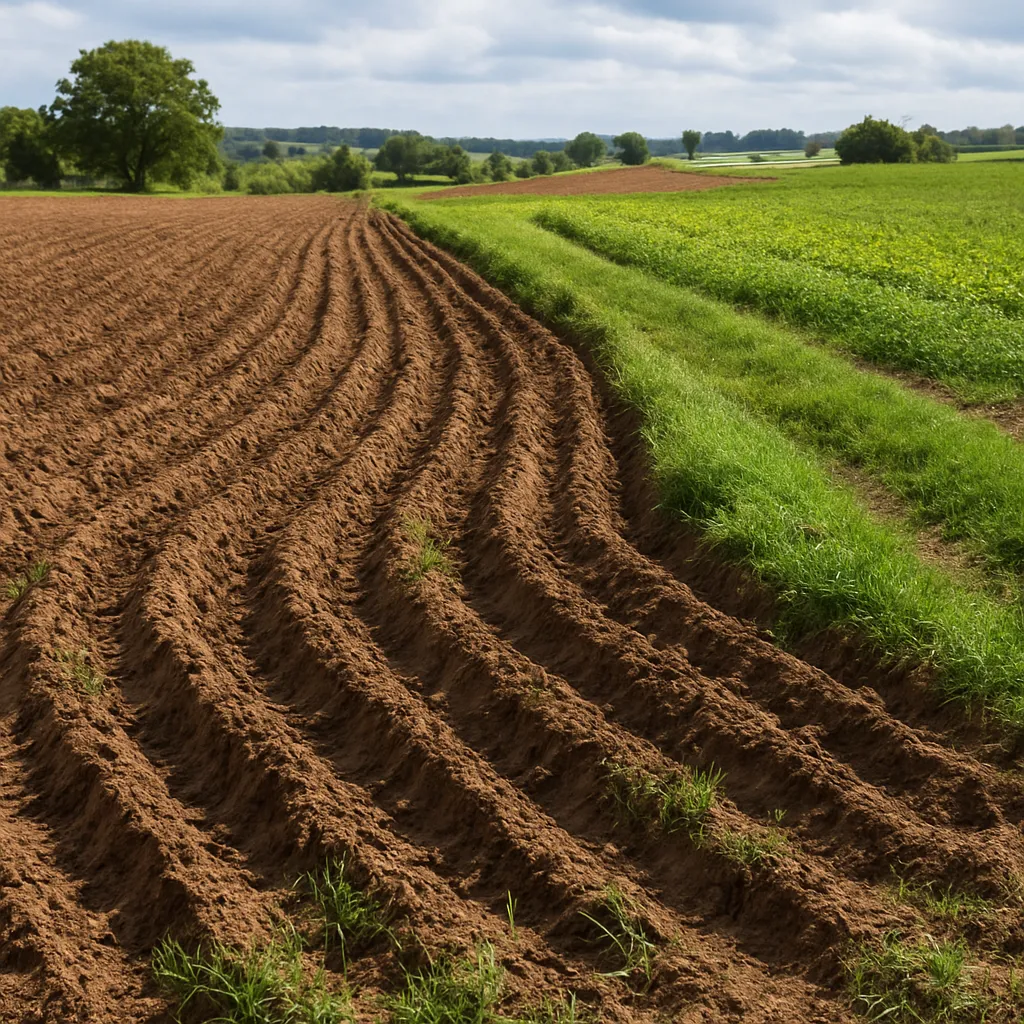
Effective land management is essential for maintaining fertile soil and maximizing crop yields. When fields are deep-tilled or repeatedly worked, the risk of erosion increases significantly. This guide explores a range of practical strategies—from adjusting your primary plowing methods to adopting advanced conservation approaches—for reducing soil loss and boosting sustainability on agricultural lands.
Understanding Soil Erosion in Plowed Fields
Soil erosion occurs when topsoil is displaced by wind or water, leading to nutrient depletion, reduced water retention and lower productivity. In plowed fields, the act of turning over the soil can break down natural aggregates and expose particulate matter to runoff. Excessive erosion not only strips valuable organic matter but may also cause sediment buildup in waterways, harming aquatic ecosystems.
Key Factors Contributing to Erosion
- Slope gradient and length—steeper slopes accelerate water flow and increase the potential for soil displacement.
- Soil texture and structure—sandy or poorly aggregated soils are particularly vulnerable.
- Intensity and frequency of rainfall—heavy storms produce more erosive energy.
- Existing vegetation cover—bare soil has no root network or canopy to cushion raindrops.
- Tillage practices—intensive tillage can cause crusting and reduce infiltration, exacerbating surface wash.
Assessing Your Field’s Vulnerability
Before adopting new practices, perform a site assessment:
- Map the slopes and identify low-lying or water-collecting areas.
- Conduct a soil test to determine composition, organic matter and pH.
- Observe existing erosion patterns—rills, gullies or sediment deposits.
- Review historical weather data for extreme rainfall events.
Implementing Conservation Plowing Techniques
Conservation plowing aims to minimize soil disturbance and maintain protective ground cover. By reducing the exposed soil surface, you can limit the erosive force of wind and water.
Minimum-Till and No-Till Systems
- Minimum-till involves shallower, less frequent passes with the plow, preserving soil structure and leaving crop residue on the surface.
- No-till eliminates inversion entirely; seeds are drilled directly through surface material, protecting aggregates and maintaining pore spaces.
Adopting either system usually requires specialized seeding equipment, careful weed management and potential investment in precision GPS guidance for consistent row spacing.
Contour Plowing and Strip Cropping
Plowing along the natural contours of the land can significantly slow water movement. By following elevation lines, these furrows act as mini-dams, reducing slope length and limiting erosion channels. For added effectiveness, consider contour strip cropping—alternating bands of high-residue crops (such as small grains) with deep-rooted species (like sorghum) to interrupt runoff flow.
Enhancing Soil Structure with Organic Matter
Improving soil aggregation is critical for resisting erosive forces. Well-formed clumps of soil particles allow water to infiltrate rather than running off the surface.
Incorporating Cover Crops
Planting cover crops during fallow periods boosts organic carbon content and roots help bind soil. Common choices include winter rye, hairy vetch and crimson clover. These plants also scavenge residual nutrients, reducing leaching and preparing the soil for the next cash crop.
Adding Compost and Manure
Applying high-quality compost or aged manure introduces beneficial microorganisms and increases soil porosity. Organic amendments enhance moisture retention and encourage the formation of stable aggregate structures that withstand heavy rainfall.
Residue Management Techniques
- Chop or spread crop residues evenly to create a mulch layer.
- Avoid complete removal of residues for biofuel or fodder; maintain at least 30% coverage.
- Use roller-crimpers for terminating cover crops without deep inversion.
Advanced Land Management Strategies
Beyond basic conservation measures, these advanced techniques can further reduce erosion and optimize field productivity:
Subsoiling and Deep Ripping
Compacted plow pans prevent water infiltration and root penetration. Periodic deep tillage, or subsoiling, fractures hardpans below the cultivated zone. This encourages deeper root systems and increases water-holding capacity, while also reducing lateral flow on sloping land.
Constructed Terraces and Buffer Strips
On severely sloped fields, engineered terraces can slow and capture water. Complement these with vegetative buffer strips—bands of grass or shrubs planted along contours or waterways. These strips filter sediment, trap nutrients and provide habitat for beneficial wildlife.
Water Diversion Structures
- Grassed waterways channel excess surface water away from vulnerable areas.
- Check dams and small retention basins reduce flow velocity.
- French drains or subsurface tiles can manage high soil moisture without disturbing the topsoil.
Monitoring and Continuous Improvement
Implementing preventive measures is only part of the process. Regular monitoring and adaptive management ensure long-term success.
Field Inspections and Data Collection
- Conduct visual checks after major storms—note new rills or sediment deposits.
- Measure soil organic matter annually via lab tests.
- Record rainfall amounts and correlate with observed erosion to refine practices.
Leveraging Technology for Precision Management
GPS-guided tractors, yield mapping and drone surveys provide detailed insights into field variability. By identifying hotspots of nutrient loss or compaction, you can target specific zones rather than applying blanket treatments, reducing costs and environmental impacts.
Engaging with Extension Services and Research
Stay informed on the latest agronomic findings through cooperative extension offices and university research programs. Field days, workshops and peer networks can accelerate the adoption of innovative practices and help troubleshoot challenges specific to your region.
Key Takeaways for Erosion Control
- Minimize soil disturbance through tillage reductions and cover cropping.
- Adopt contour or strip approaches to interrupt water flow.
- Enhance structure by incorporating organic matter and maintaining surface residues.
- Use advanced tools like subsoiling, terraces and buffer strips where needed.
- Monitor field conditions, leverage precision tools and stay connected to research communities.
By combining these approaches, farmers can dramatically cut soil losses, improve crop performance and safeguard the productivity of their land for future generations.