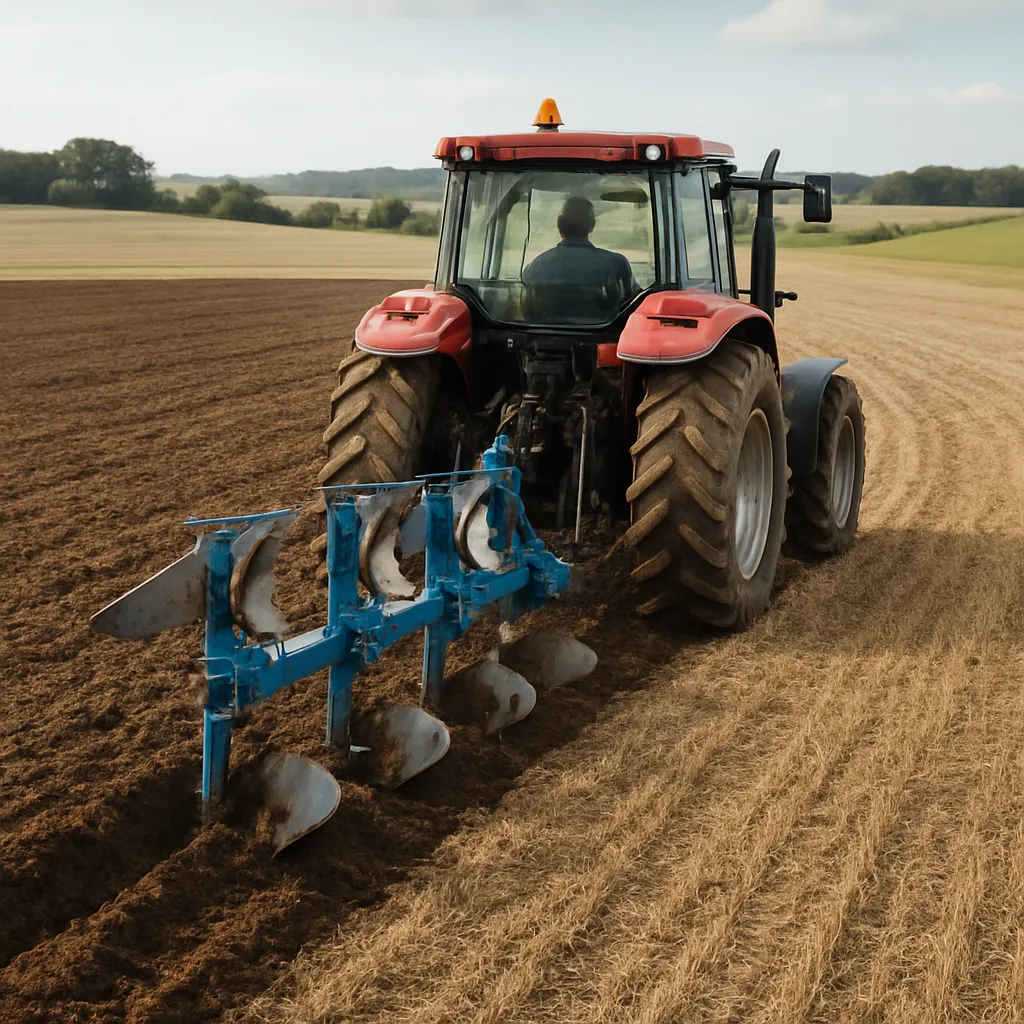
Plowing the perimeter of a field, known as headlands, is a critical step for efficient and precise field operations. Proper management of these edge zones can enhance tractor traction, reduce compaction, and improve overall plowing efficiency. This article explores proven techniques and strategies to make the most of headlands while plowing.
Understanding Headlands and Their Importance
Headlands are the end strips of a field where the plow or other tillage implements are turned before beginning a new pass. These areas must be managed carefully to:
- Provide adequate space for safe turning of machinery
- Minimize repeat passes that cause soil compaction in trafficked areas
- Ensure consistent plow depth and uniform furrow formation
Neglecting headland practices can lead to irregular field edges, wasted fuel, and time-consuming adjustments during tillage and planting. Conversely, optimizing headlands fosters better field management and promotes a smoother workflow.
Planning and Marking Headlands
Before plowing, it’s vital to define the width and boundaries of headlands. Well-marked headlands quickly orient drivers and reduce overlap or missed spots.
Determining Optimal Width
- Match headland width to the width of your plow or cultivator plus turn radius
- Allow extra space for wider implements or tandem tractors
- Consider field obstacles like trees, fences, and irrigation equipment
For example, a 12-foot plow may require a 15 or 18-foot headland width to accommodate both implement and tractor turn. Having this buffer prevents collisions and soil disturbance beyond the target area.
Marking the Field Edge
Use flags, GPS waypoints, or paint to outline headlands clearly. In large operations, precision guidance systems can automate marking:
- RTK GPS or auto-steer guidance defines headland boundary lines
- On-screen headland guides alert drivers when nearing the edge
- Marking posts or color-coded flags assist visual checks
Accurate marking helps maintain straight passes, avoids unnecessary overlap, and speeds up field entry and exit processes.
Tractor Settings and Plow Adjustments
Optimizing tractor and plow settings is essential for effective headland work. Fine-tuning these components reduces wear and tear while guaranteeing consistent furrows.
Implement Hitch and Angle
- Adjust the three-point hitch for correct plow height
- Angle the plow so each furrow meets at the edge with minimal ridge formation
- Use hydraulic side-shift functions to center the plow on the tractor
Proper hitch height maintains stable on-ground contact, preventing plow skidding and ensuring even soil turnover. Centering the plow reduces drag during turns.
Tire Pressure and Ballast
- Check tire pressure to maximize traction without over-compacting soil
- Add ballast when necessary to balance tractor weight and prevent wheel slip
- Front-wheel weights can improve steerability at the headland edge
Balancing tractor weight keeps compaction uniform across the headland and main passes. Uneven weight distribution can lead to ruts that channel water and hamper subsequent operations.
Techniques for Smooth Turning and Reduced Compaction
Efficient turning not only saves time but also limits the number of passes on headlands, preserving soil structure and reducing machine wear.
Reversing and Swing Turns
- Use a controlled reverse entry to align the tractor-plow setup for the next pass
- Perform swing turns when space allows, minimizing reverse maneuvers
- Combine forward and reverse motions to pivot around the headland corner without scuffing the furrow edge
Learning to balance swing and reversing turns reduces the number of passes over the same ground and decreases compaction.
Contour Plowing on Headlands
In sloped or rolling fields, follow the natural contour even in headlands:
- Keep plow depth consistent to avoid gullies
- Maintain slight furrow angles to direct runoff safely
- Plan headland width in relation to slope gradient
Contour methods on headlands control erosion, prevent soil loss, and protect water quality at field margins.
Soil Health and Residue Management
Proper residue handling on headlands ensures uniform decomposition and reduces crop debris interference during planting.
Residue Distribution
- Use plow settings that cut, lift, and turn residue evenly
- Avoid clumping material at the headland – it impedes smooth turns
- Consider a lighter initial tillage pass to spread residue before full-depth plowing
Even residue distribution preserves soil structure and enhances microbial activity across the headland zone.
Minimizing Soil Erosion
- Don’t strip-till headlands too deeply on highly erodible soils
- Incorporate cover crops or mulch to protect bare soil
- Use diversion terraces or grassed waterways adjacent to headlands in steep fields
Erosion control techniques safeguard headlands and downstream areas from sediment runoff and nutrient loss.
Integrating Headlands into Overall Field Workflow
Seamless transition between plowing and subsequent operations depends on headland planning.
Overlap for Planting and Spraying
Maintain consistent headland widths so seeding equipment can follow plow tracks without errors. Clear, uniform headlands also facilitate spray and fertilizer applications:
- GPS-based task controllers ensure precise chemical coverage to the field edge
- Headland lanes act as turn paths for wide booms, reducing soil disturbance
Headlands as Traffic Lanes
Convert well-structured headlands into permanent traffic lanes for future fieldwork. When properly consolidated:
- Lanes reduce repeat compaction in crop rows
- They simplify navigation of large machinery
- They delineate clear zones for equipment movements
Permanent headland lanes become valuable conduits, speeding up tractor flow and maintaining the integrity of crop beds.
Adapting to Different Equipment and Conditions
Every farm has unique machinery and field conditions. Tailor headland techniques accordingly:
- Adjust strategies for reversible plows versus conventional one-way plows
- Consider the effect of wet or dry conditions on tire grip and turning radius
- Upgrade to variable-rate or section-control technology for precise edge management
Matching headland practices with machine capabilities ensures you harness the full potential of your equipment.
Common Pitfalls and How to Avoid Them
Avoid these frequent mistakes when dealing with headlands:
- Underestimating the space required for tight turns – leads to repeated passes
- Failing to re-level furrows at the edge – causes uneven seeding depth
- Neglecting soil moisture checks – operating on overly wet soil creates deep ruts
By staying aware of these pitfalls, operators can refine headland procedures and maintain efficiency throughout plowing operations.
Conclusion of Practical Headland Strategies
Headlands represent more than just turning space—they are integral to streamlined plowing and subsequent field tasks. With proper planning, machine adjustments, and soil-preserving approaches, headland management enhances productivity and preserves field health. By embedding these tactics into your routine, you will optimize the use of every square foot under the plow.