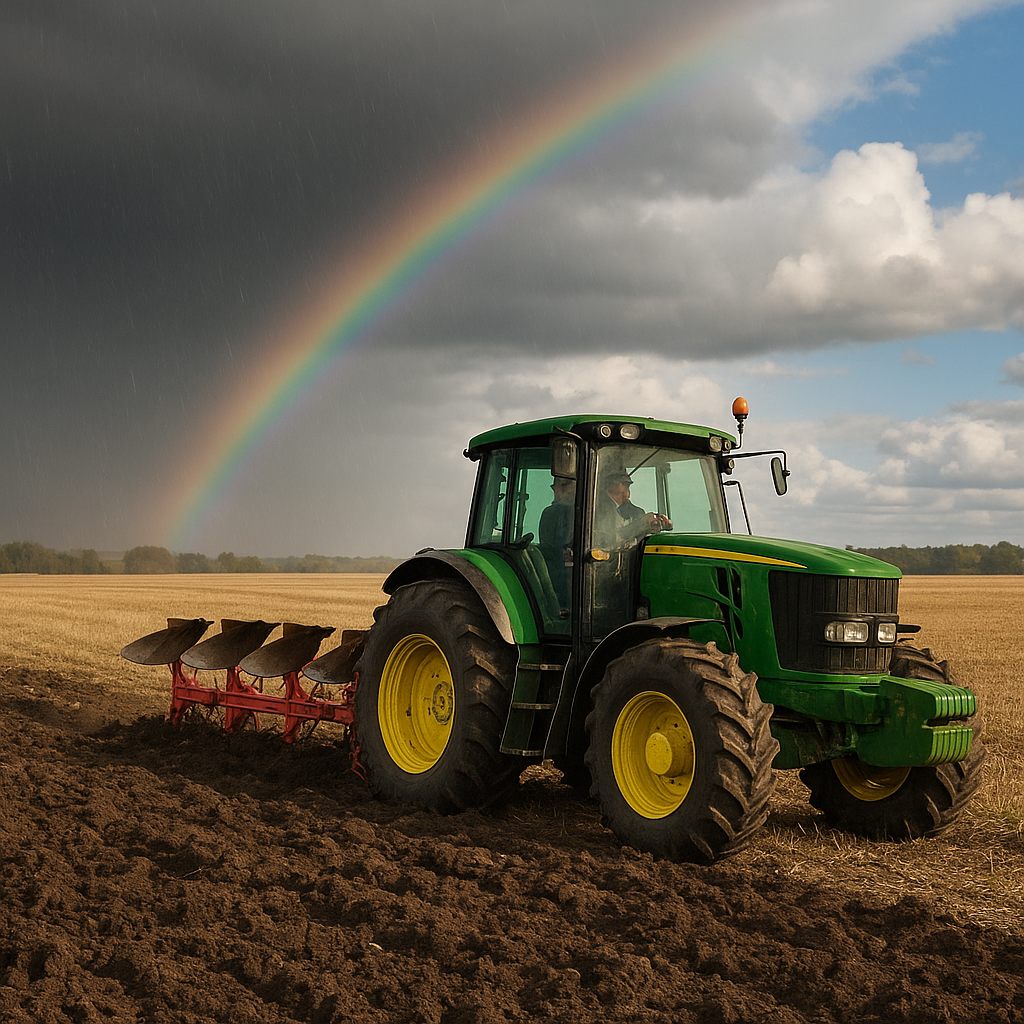
Plowing success hinges on understanding how changing winter conditions affect every aspect of your workflow. From the firmness of the soil to blade responsiveness, each element plays a vital role in delivering clean, safe driveways and roads. This guide explores key factors and offers practical advice so you can maximize efficiency and achieve superior plowing results all season long.
Recognizing Weather Variables
Weather presents a dynamic set of challenges that directly influence plowing operations. Before heading out, evaluate local forecasts and observe recent trends in temperature, moisture, and precipitation type. Minor fluctuations in these variables can determine whether snow remains powdery or turns to dense slush, altering the required force and technique for effective removal.
Temperature Effects
- Above freezing (32°F/0°C): Snow tends to be wetter and heavier, increasing the load on your plow. Anticipate slower passes and consider reducing blade angle to prevent sticking.
- Well below freezing: Dry, powdery snow is easier to push but can drift quickly. Maintain steady speed to avoid spinning wheels in loose snow.
- Rapid temperature swings: Frequent thaw-and-freeze cycles lead to ice accumulation under light snow layers. Plan for potential traction issues on the underlying surface.
Precipitation Type and Intensity
Snow intensity impacts your clearing pattern:
- Light flurries: Ideal for swift, high-speed passes with minimal downforce.
- Steady moderate snowfall: Requires consistent plowing intervals to prevent buildup. Monitor curb and edge lines closely.
- Heavy, wet snow or mixed precipitation (sleet/rain): Apply extra maintenance to blades and cutting edges, and consider frequent offloading stops to prevent overload.
Modifying Plowing Strategies Under Changing Conditions
No single technique covers every scenario. Adapting your approach based on current ground and weather conditions ensures the best results and protects both equipment and surface integrity.
Adjusting Blade Angle and Pressure
- Steep angle: Optimal for deep, heavy snowfall but increases resistance and horsepower demand. Use when removing 4–6 inches or more at once.
- Shallow angle: Suitable for light snow and powder; allows faster movement and minimizes fuel consumption.
- Variable hydraulic pressure: Increase pressure for hard-packed snow, decrease to avoid gouging on icy surfaces.
Speed and RPM Management
Maintaining proper engine performance is critical. Consider these tactics:
- Low-speed, high-RPM: Provides maximum torque for challenging, wet conditions.
- Moderate-speed, low-RPM: Best for light, powdery snow to conserve fuel and reduce wear.
Snow Disposal Techniques
Effective snow removal often hinges on how you stack and disperse material:
- Windrowing: Concentrates snow in a single pass. Use during sustained snowfall with powdery conditions.
- Flanking: Pushing snow to both sides for wider areas. Best applied on driveways and broad roads with consistent coverage.
- Stack piling: Creates designated piles, minimizing repeated passes. Monitor heap stability to prevent unexpected collapses.
Equipment Readiness and Care
Properly prepared machines stand up to harsh winter demands. Routine checks optimize reliability and extend the lifespan of your plow’s components, from hydraulic hoses to cutting edges.
Pre-Season Inspection
- Hydraulic System: Examine hoses and fittings for cracks, leaks, or wear. Replace any suspect parts before ice buildup exacerbates issues.
- Cutting Edges & Shoes: Ensure edges are sharp and shoes are set correctly to maintain proper ground clearance and prevent surface damage.
- Mounting Hardware: Tighten bolts and pins to factory specifications. Excess vibration in cold conditions can loosen connections rapidly.
In-Season Maintenance
- Daily Checks: Clean snow, ice, and debris from critical areas including pivot points and hydraulic cylinders.
- Fluid Levels: Monitor hydraulic fluid and engine oil; cold weather can thicken lubricants, so use winter-grade oils to maintain flow.
- Electrical System: Test lights, alternator output, and battery capacity regularly—low temperatures reduce battery efficiency significantly.
Emergency Repair Kit Essentials
- Spare pins, cotter pins, and U-bolts
- Compact hydraulic repair kit (quick couplers, seals)
- Portable cutting-edge segments
- Multi-tool and heavy-duty gloves
Optimizing Safety and Productivity
Balancing speed and caution reduces risks to operators and pedestrians alike. Emphasize clear visibility, effective communication, and adherence to best practices for a productive plowing operation.
Visibility Enhancements
- High-power LED Light Bars: Ensure uniform illumination for pre-dawn or late-night shifts.
- Windshield Treatments: Apply anti-fog and hydrophobic coatings to minimize ice adhesion and streaking.
- Camera Systems: Rear and side cameras improve situational awareness when maneuvering tight spaces.
Operator Techniques
- Smooth Steering Inputs: Jerky movements increase the risk of skidding, especially on icy patches.
- Consistent Overlap: Maintain a slight overlap between passes to avoid unplowed ribbons of snow.
- Communication Protocols: Use radios or signaling when coordinating with spotters to clear obstacles and protect nearby pedestrians or vehicles.
Time Management
Plan runs to match peak snowfall periods. Starting early and scheduling intermittent breaks for blade inspection guarantees steady consistency in clearing performance. Integrate real-time weather alerts into your workflow management to adjust routes and priorities on the fly.
By staying informed about evolving weather patterns, customizing your plowing approach, and maintaining equipment diligently, you can maximize traction and deliver efficient service under any conditions. Applying these tips will help you achieve smoother operations, reduce downtime, and uphold professional standards even in the harshest winter months.