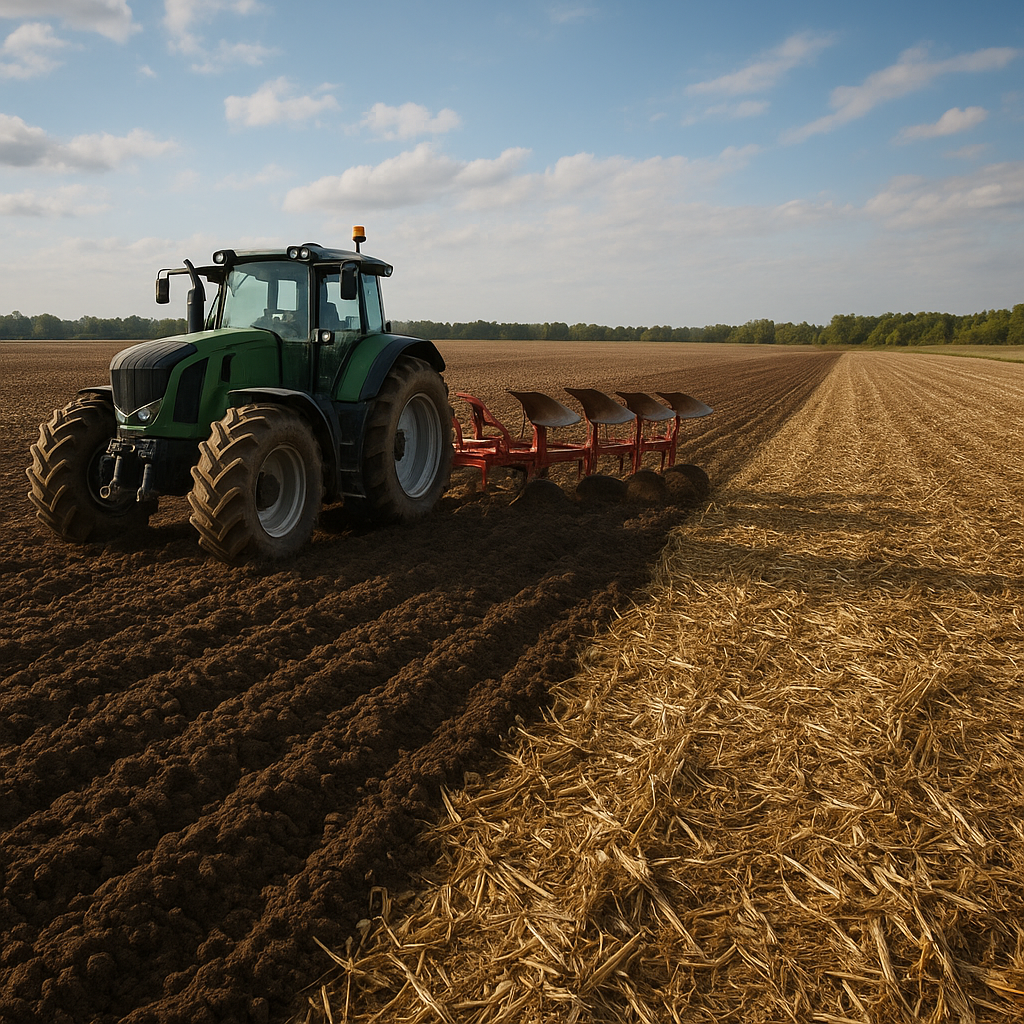
Balancing effective plowing with sustainable soil conservation demands a thoughtful approach that protects the soil health while maintaining productivity. By adopting techniques that minimize erosion, preserve organic matter, and enhance biodiversity, farmers can secure long-term yields and environmental resilience. This article explores key strategies for managing tillage practices, integrating cover crops, and optimizing residue management to strike the ideal balance between plowing and soil conservation.
Principles of Soil-Friendly Plowing
Traditional plowing can disrupt soil structure, diminish microbial communities, and accelerate nutrient loss. To counteract these effects, consider the following fundamental principles:
- Depth control: Limit plow depth to the zone where weeds and compaction layers occur. Excessive depth can bring up subsoil low in organic matter.
- Timing: Schedule plowing during optimal moisture windows to avoid smearing and compaction. Working overly wet soil reduces pore space and impairs moisture retention.
- Directional tillage: Alternate plow direction each season to avoid creating consistent furrow patterns that channel water runoff and increase erosion.
- Residue integration: Mix crop residues evenly into the plow layer to maintain surface cover, boost nutrients, and feed soil organisms.
Implementing these guidelines helps maintain soil porosity, encourages root penetration, and reduces the risk of puddling and crusting.
Implementing Conservation Tillage Techniques
Conservation tillage options offer reduced disturbance while still providing adequate seedbed preparation. Three popular methods include:
No-Till Farming
- Zero soil disturbance: Seeds are placed directly into untilled soil, preserving structure and habitat for beneficial organisms.
- Surface residue: Crop leftover litter remains on top, protecting against raindrop impact and temperature swings.
- Challenges:
- Specialized seeding equipment is required.
- Weed pressure may increase, necessitating integrated management.
Strip-Till Systems
- Band preparation: Only narrow strips are tilled, where seeds will be planted, leaving inter-rows undisturbed.
- Advantages:
- Reduces fuel use and labor time compared to full-width tillage.
- Retains residue cover between strips for erosion control.
- Considerations:
- Precision in strip spacing is vital for proper row alignment.
Reduced Tillage
- Shallow inversion: Implements mix residues lightly without completely flipping soil layers.
- Key benefits:
- Improves seed-to-soil contact without extensive disturbance.
- Maintains more organic matter near the surface for microbial activity.
- Possible drawbacks:
- May require more passes to prepare an adequate seedbed.
Integrating Cover Crops and Crop Rotation
Incorporating cover crops and thoughtfully planned rotations enhances overall system resilience, yielding multiple benefits:
- Weed suppression: Dense cover crop stands reduce sunlight reaching weed seeds, cutting down herbicide needs.
- Erosion control: Roots bind soil particles and surface biomass cushions raindrop impact.
- Nutrient cycling: Leguminous covers fix atmospheric nitrogen and release it upon decomposition, lowering fertilizer inputs.
- Moisture management: Living roots and residue layers improve infiltration and limit evaporation.
Combine cover crops like clover, rye, or radish with a rotation of cereal grains, legumes, and oilseeds. This diversity breaks pest cycles, replenishes nutrients, and spreads labor demands throughout the year.
Managing Residue and Soil Moisture
Effective residue and moisture management further mitigates risks associated with plowing:
- Residue retention: Aim to keep at least 30% of crop residue on the surface after planting to cushion soil from rain and wind.
- Residue chopping: Evenly chop straw to accelerate decomposition, avoiding thick mats that impede planting depth and seedling emergence.
- Moisture monitoring: Use tensiometers or soil probes to schedule irrigation or postpone plowing—working when soil tension is within the target range reduces compaction.
- Contour and strip strategies: On slopes, plow along contour lines or use vegetative strips to slow water flow and trap sediment.
Optimizing Equipment and Maintenance
Having well-maintained, properly configured equipment is vital for balancing plowing efficiency with conservation:
- Regular inspections: Check blade sharpness, coulter alignment, and hydraulic settings to ensure uniform depth and minimal slippage.
- Weight distribution: Adjust ballast to prevent excessive downward pressure that can compact the subsoil.
- GPS guidance: Precision steering reduces overlap and avoids missed areas, conserving fuel and time.
- Accessory selection: Attach crumbler rollers or finishing harrows to break clods and create a fine tilth without extra plow passes.
Monitoring and Adaptive Management
Conservation is an ongoing process that requires regular evaluation and flexibility:
- Soil testing: Conduct nutrient and organic matter analyses annually to measure impacts of tillage and cover cropping.
- Visual checks: After storms, look for rills or sediment movement and adjust plowing angles accordingly.
- Record keeping: Document operations, weather conditions, and yield variations to fine-tune practices over seasons.
- Continuous learning: Stay informed about emerging tools, such as laser-guided leveling or advanced residue management implements.