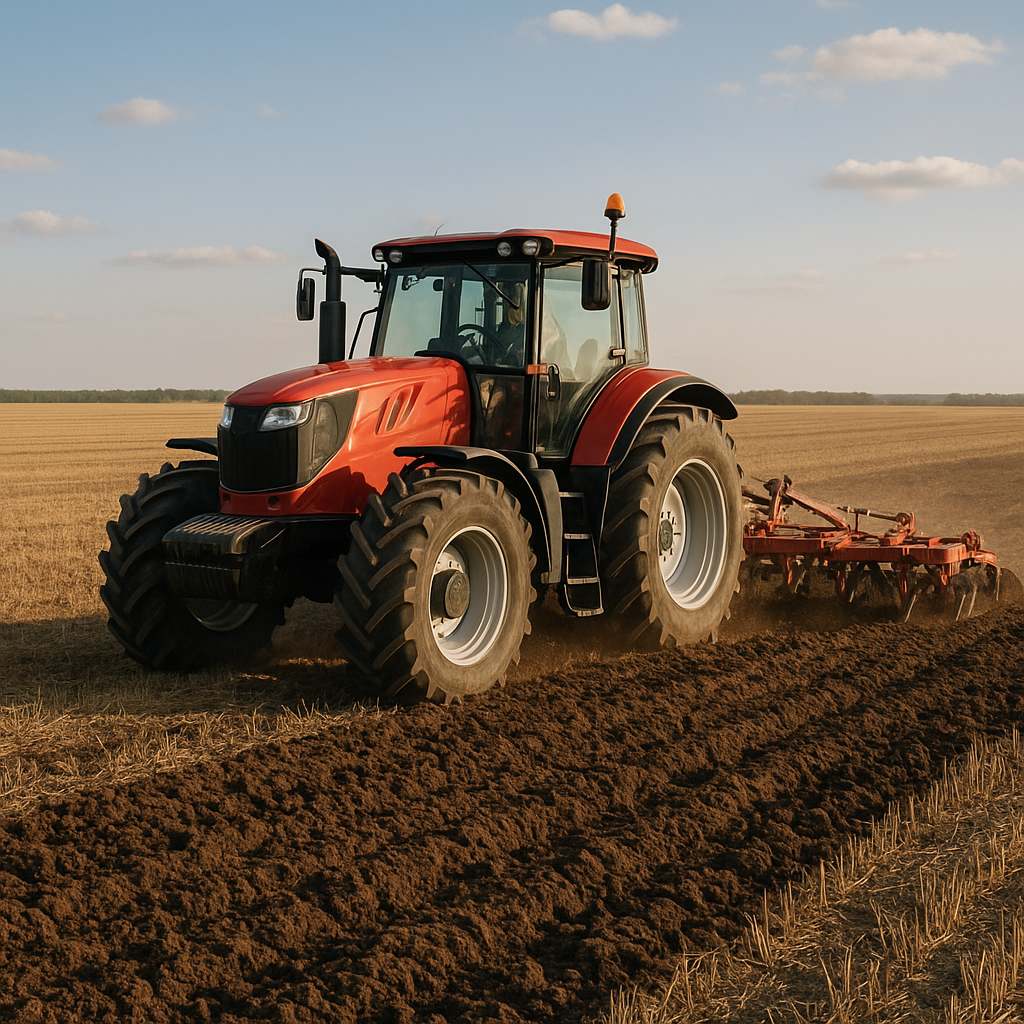
Maximizing fuel economy and enhancing overall performance while plowing expansive tracts of land requires a strategic approach that spans equipment choice, operational techniques, soil management practices, and technological integration. Efficient operations not only reduce **fuel** costs but also prolong machinery life and improve soil health, leading to sustainable and profitable farming.
Optimal Equipment Selection and Maintenance
Choosing the right tractor and plow combination is foundational to achieving **efficiency**. Oversized implements may increase soil disturbance but consume excessive **horsepower** and fuel. Conversely, an undersized plow can lead to **inefficiency**, repeated passes, and rider fatigue. Striking the correct balance ensures each pass penetrates and turns the soil effectively without unnecessary energy expenditure.
- Tractor-Plow Matching: Refer to manufacturer guidelines when pairing a tractor with a moldboard, chisel, or disc plow. Proper matching optimizes traction and reduces slippage.
- Tire Pressure Calibration: Underinflated tires increase rolling resistance. Maintain recommended PSI to improve traction and reduce draft force.
- Routine Maintenance: Keep air filters, fuel filters, and injectors clean to sustain optimal combustion. Replace worn belts, hoses, and hydraulic components to avoid leaks that compromise **performance**.
- Blade and Share Sharpening: Dull plowshares require more draft power. Periodically sharpen or replace cutting edges to minimize fuel draw.
Maintaining Optimal Engine Conditions
Regularly checking engine oil and coolant levels, ensuring proper radiator function, and monitoring exhaust emissions are crucial. A finely tuned engine burns fuel more completely, reducing waste and greenhouse gas output while maintaining **power** at higher loads.
Plowing Techniques for Enhanced Efficiency
Adopting refined plowing strategies can yield substantial **savings**. Adjusting depth, speed, and angle based on real-time field conditions ensures consistent performance with minimal resource consumption.
- Depth Control: Optimal plow depth (typically 15–25 cm for large fields) balances tillage effectiveness with engine load. Too shallow and you leave residue; too deep and you overwork the tractor.
- Speed Management: Maintain a steady forward speed—usually between 6–8 km/h. Accelerating uphill and decelerating downhill avoids engine lugging, which spikes fuel use.
- Overlap Minimization: Precise steering and consistent row alignment prevent unnecessary repeats. Proper seat positioning and mirror adjustment boost **operator** comfort and accuracy.
- Angle Optimization: Setting the plow landside angle to glide with the soil reduces lateral resistance. Consult the implement manual to adjust tilt and pitch effectively.
Implementing Switch-Over Patterns
Designing headland turns that minimize idle time and unnecessary raising or lowering of the plow can save both minutes and liters on each bout. End-of-field plans should allow for smooth lanes and continuous flow, cutting downtime to a minimum.
Field Preparation and Soil Management
Pre-plowing steps such as residue management, moisture assessment, and drainage improvement play a pivotal role in **sustainable** fuel reduction and long-term soil vitality.
- Residue Distribution: Spread crop residues evenly to facilitate uniform cutting. Clumped debris can increase drag and demand more horsepower.
- Moisture Monitoring: Ideal moisture levels—neither too dry nor too wet—minimize soil compaction and draft. Employ in-field probes or remote sensors to gauge optimal timing.
- Contour and Terrace Plowing: On sloped terrain, follow natural contours to reduce erosion and preserve water, preventing additional fuel use from soil compaction corrections later on.
- Drainage Optimization: Installing or maintaining drainage tiles and ditches avoids waterlogged areas that drastically raise energy demands to pull the plow through soggy ground.
Enhancing Soil Structure
Incorporate cover crops or organic amendments in rotation to improve soil aggregation. Better structure reduces plowing resistance and contributes to long-term **economy** by lowering input needs.
Advanced Strategies and Technological Aids
Integrating modern guidance systems and data-driven decision-making empowers operators to refine their plowing operations, driving down fuel consumption further while boosting consistency.
- GPS Auto-Steer: Automated guidance maintains straight, consistent passes with sub-inch accuracy, slashing overlap and optimizing land coverage.
- Variable-Rate Depth Control: Implement hydraulic depth adjustments that react to GPS-generated prescription maps, matching plow depth to soil variability.
- Telematics and Analytics: Monitor engine load, fuel burn, and implement performance in real time. Analyze historical logs to identify patterns of high consumption and rectify suboptimal behavior.
- Section Control: For multi-body plows, section-level shutoff at headlands or overlapping areas reduces redundant work and unnecessary fuel use.
Driver Training and Simulation
Investing in operator training for **precision** driving and implement handling can yield noticeable efficiency gains. Virtual simulators help new drivers master optimal speeds, turning techniques, and depth adjustments before heading to the field.
Fuel-Saving Operational Best Practices
Beyond machinery and technology, the human factor plays a crucial role. Establishing a culture of continuous improvement drives consistent **results**.
- Pre-Operation Checklists: Ensure all systems are within specifications before starting. Neglecting simple checks can lead to higher fuel draw over hours of operation.
- Idle Reduction: Minimize engine idling by planning headland turns and transport routes in advance. Use auto shutoff features during short stoppages.
- Shift Timing: Conduct heavy tasks during cooler parts of the day. Cooler ambient temperatures improve engine thermodynamics and reduce the risk of overheating.
- Record Keeping: Log daily fuel consumption against acres plowed. Regularly review to spot inefficiencies in routes, settings, or equipment wear.
Continuous Improvement Cycles
Conduct periodic performance audits, involve operators in feedback sessions, and adjust guidelines based on aggregate data. Incremental tweaks often yield substantial cumulative **savings** over a season.