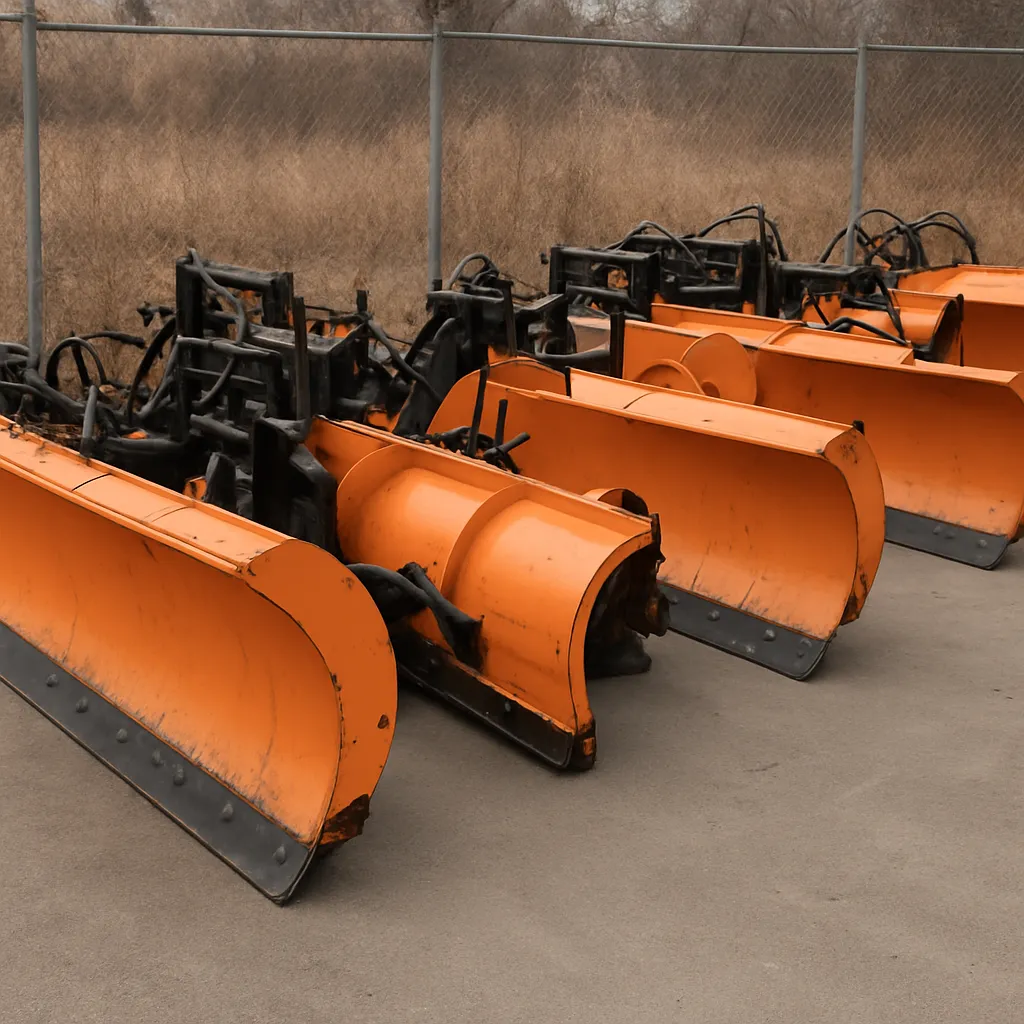
Storing a plow properly during the off-season is essential to protect your investment and ensure peak performance when snow returns. This guide covers **critical** steps to prepare, store, and maintain your plow so it remains in top condition year-round.
Preparing Your Plow for Storage
Before tucking your plow away, invest time in a thorough preparation process. Attention to detail here will help prevent **corrosion**, mechanical damage, and costly repairs.
1. Clean and Degrease
- Remove all dirt, salt, and debris. Use a pressure washer or hose, paying special attention to the **plow blades** and joints.
- Apply a degreaser to any oily or greasy areas. Rinse thoroughly and allow the plow to dry completely to avoid trapped moisture.
2. Inspect for Damage
- Check blade edges for wear or chips. Worn edges reduce effectiveness and increase stress on the **hydraulics**.
- Examine all fasteners, bolts, and pins. Tighten loose hardware and replace any rusted or damaged components.
3. Apply Protective Coatings
- Coat the metal surfaces with a rust inhibitor or corrosion-resistant spray, emphasizing blade surfaces and pivot points.
- Lightly lubricate moving joints with a high-quality **lubricant**, ensuring smooth operation when redeployed.
Choosing the Ideal Storage Location
Where you store your plow is almost as important as how you prepare it. The right environment minimizes exposure to harmful elements and keeps your equipment ready for action.
1. Indoor vs. Outdoor Storage
- Indoor storage, such as a heated garage or barn, offers the best protection against **moisture**, extreme temperatures, and UV damage.
- If indoor space is limited, consider a purpose-built shelter or portable garage. Ensure adequate ventilation to control humidity.
2. Elevation and Support
- Use sturdy **supports** or blocks to raise the plow off the ground. This prevents water pooling and protects blade edges from ground contact.
- Position supports under the frame or skid shoes, never on the blade center, to avoid bending or warping.
3. Climate Control and Drainage
- Choose a storage area with good air circulation to discourage condensation and mold growth.
- Ensure the floor has proper **drainage** to divert water away if any leaks occur in the ceiling or walls.
Ongoing Maintenance During the Off-Season
Even in storage, plows benefit from periodic checks and minor **maintenance**. These steps help identify emerging issues before they become serious problems.
1. Monthly Inspections
- Visually inspect the plow for any signs of rust, corrosion, or pest infestation.
- Check fluid levels in hydraulic systems and top off with recommended **hydraulic fluid** if necessary.
2. Rotate Moving Parts
- Gently cycle the plow up and down to redistribute **lubricants** and prevent seals from drying out.
- Operate any pivoting or articulating components to inhibit stiffness or freezing of joints.
3. Reapply Protective Treatments
- After each inspection, recoat exposed metal surfaces with corrosion inhibitor, especially in humid climates.
- Address any new scratches or paint wear with touch-up paint to maintain the plow’s protective barrier.
Startup Checklist Before Next Season
When the first snowfall looms, follow a systematic approach to ensure your plow is fully **functional** and safe.
1. Final Cleaning
- Wash off any accumulated dust or treatment residues. A clean plow is easier to inspect and calibrate.
2. Full Functional Test
- Attach the plow to your vehicle and lift/lower it several times. Listen for unusual noises and verify smooth operation.
- Engage all hydraulic functions, including angle and tilt adjustments, under no-load conditions first.
3. Blade Alignment and Adjustment
- Check the cutting edge alignment. If wear is uneven, consider flipping the blade (if reversible) or replacing it.
- Adjust skid shoes and moldboard height for optimal ground clearance and snow-shedding performance.
4. Safety and Accessories
- Inspect all lights, reflectors, and safety decals. Replace any missing or faded items to remain compliant with road regulations.
- Ensure that backup alarms, cameras, or spotters are operational for safe maneuvering in low-visibility conditions.
Maximizing Plow Longevity
Consistent care, proper storage, and routine checks form the foundation of a long-lasting plow. By addressing **cleanliness**, corrosion protection, and mechanical readiness year-round, you’ll ensure your plow delivers reliable performance when it matters most.